
Why Box Cutter Blade Replacement Fails and How to Avoid Common Mistakes
2026-07-23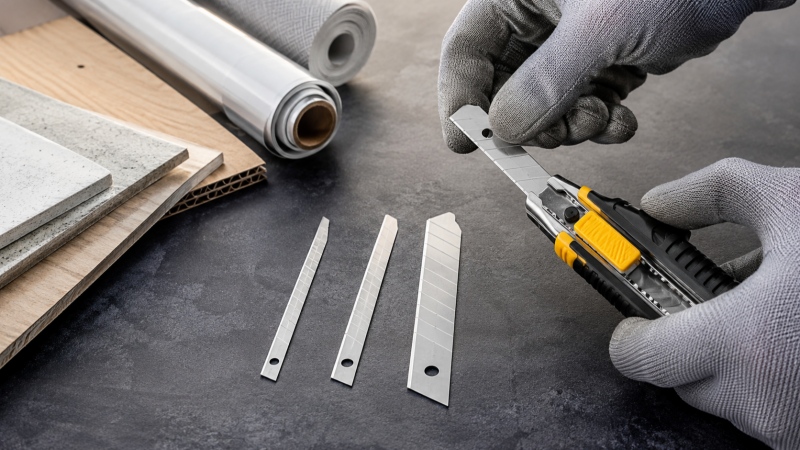
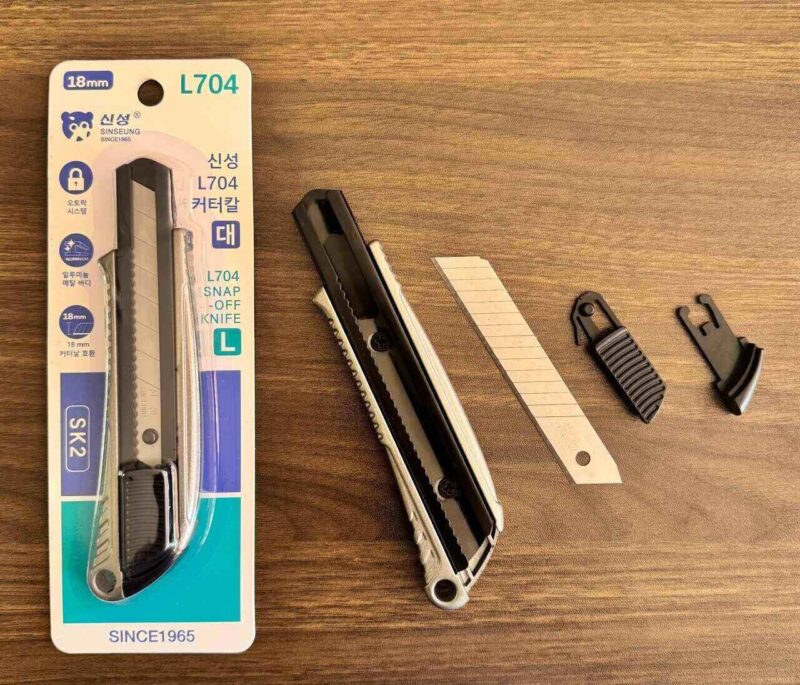
Swapping out a utility knife blade seems quite basic. However, doing it wrong can hurt your cutting accuracy, compromise operator safety, and lower overall tool performance. Distributors, hardware suppliers, and construction material companies know this well. Professional users also understand that a fresh blade needs to fit perfectly. It must work steadily every single time. As a trusted cutter blade manufacturer with over 60 years of experience, Sinseung builds solid replacement blades. These tools handle daily cutting tasks across many different fields.
Common Mistakes When Changing a Box Cutter Blade
Installing the Blade in the Wrong Direction
Putting the blade in backward is a huge reason why box cutter blade replacement fails. A standard utility knife blade features a very specific cutting edge layout. If you insert it the wrong way, that edge will not hit your material correctly. This mistake leads to poor cutting power. It also forces you to push much harder while working.
For working professionals, this mistake causes extra headaches. Construction crews, wallpaper installers, and automotive wrap experts need neat, precise cuts. A badly placed blade creates rough cutting lines. It damages expensive materials. It also wastes valuable working hours.
When changing a blade box cutter, users should always confirm:
- The cutting edge faces the correct direction
- The blade sits completely inside the blade holder
- The blade moves smoothly after installation
- The locking mechanism secures the blade firmly
A correct installation process helps maintain stable cutting performance and reduces the risk of blade movement during use.
Selecting an Incompatible Replacement Blade Size
Blade compatibility directly affects replacement success. Many box cutters use specific blade dimensions, and selecting the wrong size may cause installation problems or unstable operation.
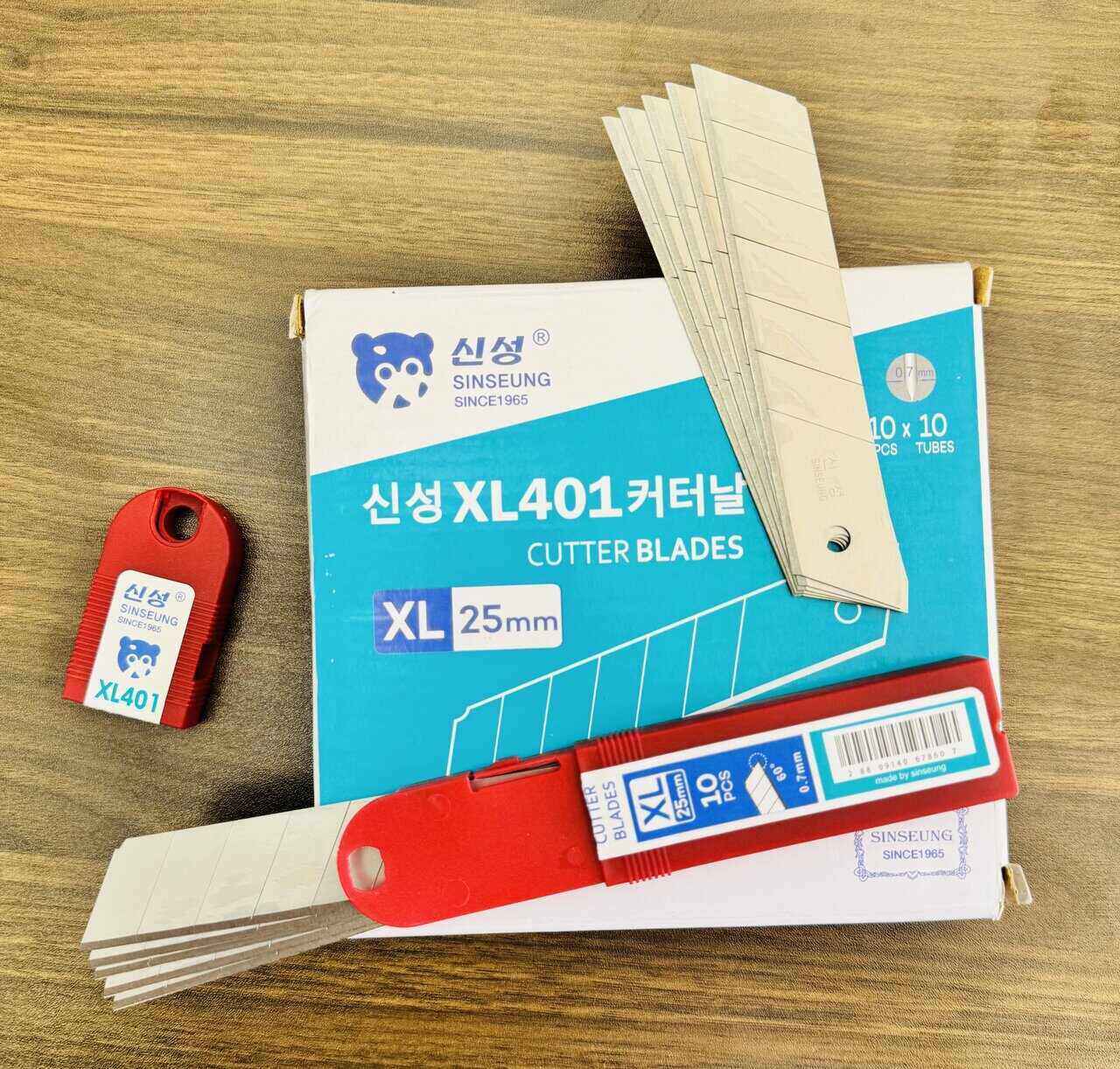
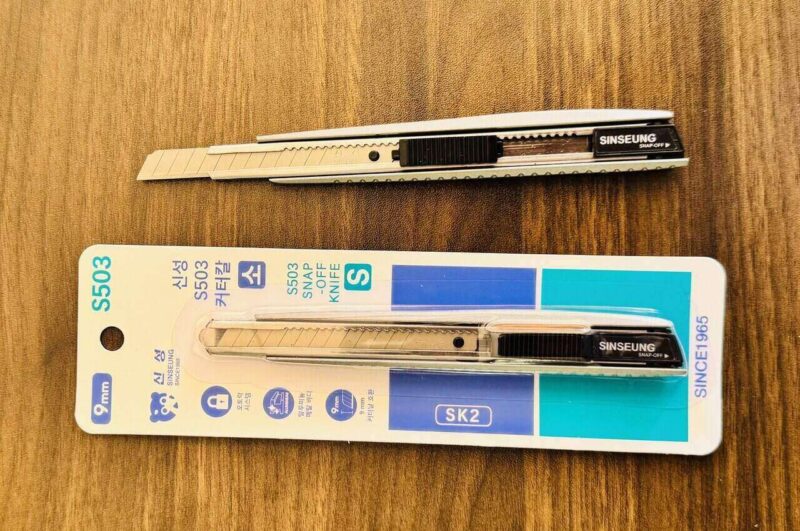
Sinseung supplies different replacement blade sizes for common utility knife applications, including 9mm, 18mm, and 25mm snap-off blades. These products are designed for different cutting requirements, from general office use to heavier cutting tasks in construction and hardware applications.
|
Blade Type |
Typical Application |
Key Consideration |
|
9mm snap off blade |
Stationery, office use, light cutting work |
Requires precise installation for clean cutting |
|
18mm snap off blade |
Construction materials, packaging, general hardware use |
Needs stable locking for higher cutting force |
|
25mm snap off blade |
Heavy-duty utility knife applications |
Requires correct blade positioning and secure fixation |
Before replacing a blade, professional buyers should check the knife model, blade width, and compatibility requirements. Using the correct replacement blade helps prevent fitting issues and improves tool lifespan.
Leaving Old Blade Fragments Inside the Knife Housing
Small blade fragments inside a utility knife can prevent successful replacement. When a previous blade breaks or is removed incorrectly, remaining pieces may block the blade path or affect slider movement.
This problem is especially important for businesses managing multiple operators. In warehouses, construction teams, or production areas, improper blade replacement procedures can lead to repeated tool failures.
Before installing a new blade, users should:
- Remove all remaining blade pieces
- Check the blade channel for blockage
- Confirm the slider moves smoothly
- Ensure the replacement blade sits flat inside the holder
A clean blade housing allows the new blade to move correctly and reduces unnecessary maintenance.
Forcing the Slider or Locking Mechanism
A replacement blade should move smoothly after installation. If the slider cannot move or the locking system does not engage, forcing the mechanism may damage the utility knife.
Common causes include:
- Incorrect blade positioning
- Wrong blade size
- Remaining debris inside the housing
- Damaged internal components
Professional users should solve the cause instead of applying additional force. A properly matched replacement blade should work with the original tool structure without creating resistance.
Extending Too Much Blade Length During Use
After successful blade replacement, controlling blade exposure is another important safety factor. Excessive blade exposure may reduce stability and increase the possibility of blade damage.
For applications such as cutting packaging materials, wallpaper, films, or construction materials, users should adjust only the required blade length. Shorter exposure often provides better control and reduces unnecessary pressure on the blade.
How to Replace a Box Cutter Blade Correctly for Stable Performance
Check Blade Compatibility Before Replacement
The first step in how to replace blade on box cutter is confirming that the replacement blade matches the tool. Professional buyers should consider:
- Blade width
- Blade thickness
- Snap-off structure
- Utility knife compatibility
- Intended cutting application
Choosing a suitable blade helps maintain consistent performance across repeated operations.
Remove the Used Blade Carefully
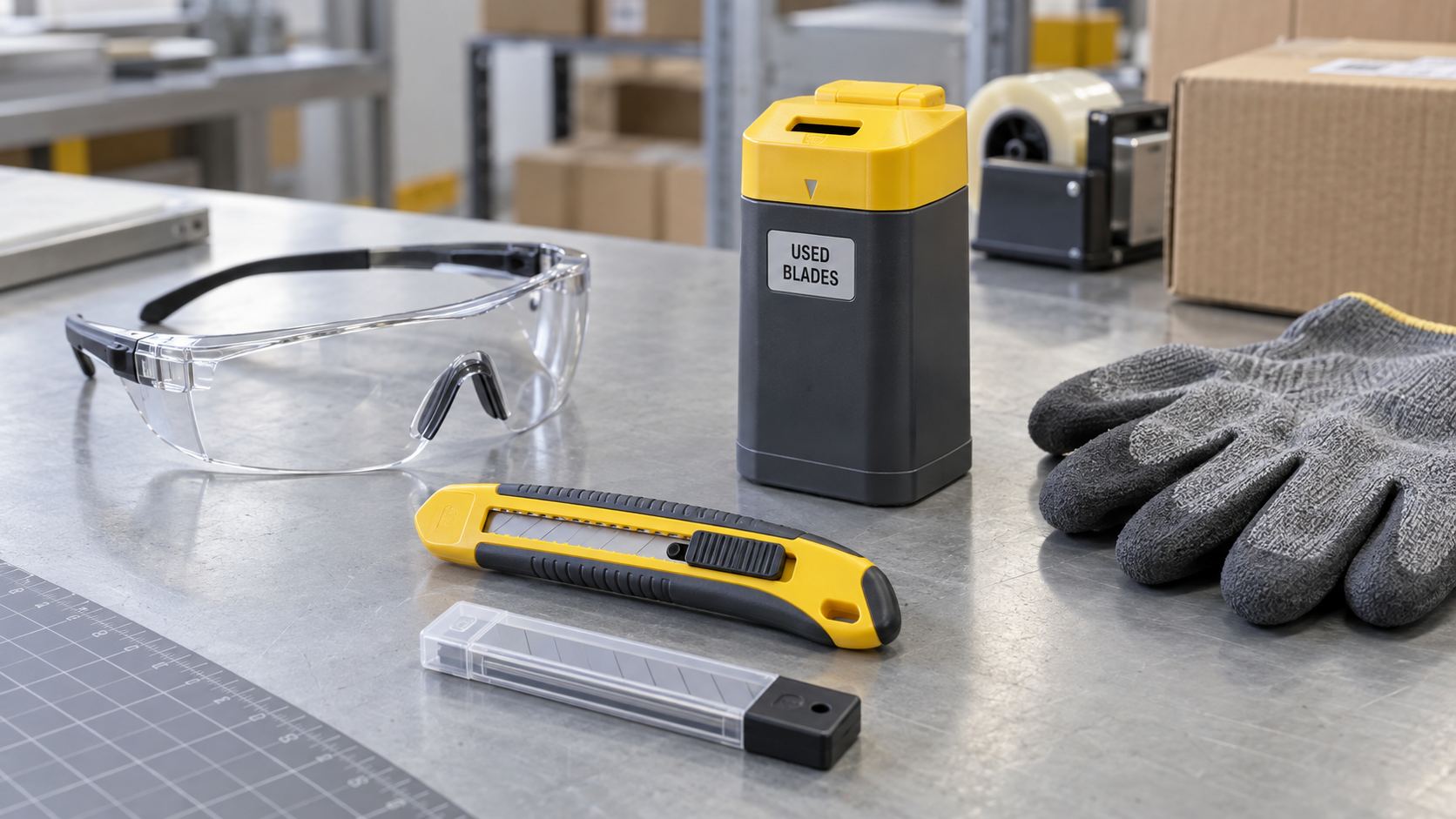
A safe replacement process starts with complete removal of the old blade. The blade should be fully retracted before removal whenever possible. Users should avoid touching the cutting edge directly and should handle used blades according to workplace safety requirements.
For companies managing large numbers of tools, standardized replacement procedures can reduce operator mistakes and improve workplace safety.
Install the New Blade and Check Stability
When changing a box cutter blade, the replacement blade should be positioned correctly inside the holder. After installation, users should check:
|
Inspection Item |
Expected Result |
|
Blade position |
Fully seated in the correct position |
|
Slider movement |
Smooth forward and backward movement |
|
Locking function |
Blade remains stable during cutting |
|
Cutting test |
Clean and controlled cutting performance |
A short inspection before operation can prevent problems during production or installation work.
Test Cutting Performance Before Regular Use
After replacing the blade, testing on a sample material is recommended. Different materials create different cutting demands, so users should confirm that the blade provides suitable sharpness and control.
For example, automotive wrap professionals may require clean surface protection, while construction workers may prioritize durability when cutting building materials. Selecting the right blade type helps match performance with application needs.
Choosing the Right Replacement Blade Supplier for Long-Term Use
Professional buyers need more than a replacement product. They need stable quality, reliable supply, and consistent performance between orders.
Sinseung focuses on manufacturing replacement blades and utility knife-related products for global customers. The company supplies cutter blades, utility knives, hardware scissors, and garden tools, serving industries including stationery, construction materials, automotive detailing, hardware, leather, and gardening.
Stable Material and Manufacturing Control
Blade performance depends heavily on material selection and manufacturing accuracy. Sinseung uses high-quality steel materials and applies independently developed heat treatment and grinding technologies to improve cutting efficiency and durability.
|
Quality Factor |
Importance for Buyers |
|
Steel material control |
Helps maintain blade strength and consistency |
|
Heat treatment technology |
Supports durability and cutting performance |
|
Grinding process |
Improves edge quality and cutting efficiency |
|
Batch inspection |
Helps reduce quality variation |
Sinseung also applies strict quality inspection during production. Each batch is checked by quality inspection engineers, and defective batches are controlled to maintain product consistency.
Supporting Global Distribution and Professional Applications
Sinseung products are exported to markets including America, Europe, Japan, Russia, Southeast Asia, and other regions. The company supports distributors and professional users who require a dependable replacement blade supply.
For standard products, Sinseung provides flexible purchasing support, including no MOQ requirements for standard blade products, allowing customers to evaluate products before larger purchasing plans.
For replacement blade requirements, contact Sinseung through the official website to discuss product information, availability, and purchasing support:
Sinseung Official Website
Conclusion: Correct Replacement Starts With the Right Blade and Process
Box cutter blade replacement failures usually come from simple but important issues, including incorrect installation direction, unsuitable blade size, blocked blade housing, and unstable locking. For professional users, avoiding these mistakes improves cutting safety, reduces downtime, and maintains consistent work quality.
Choosing reliable replacement blades from an experienced manufacturer also plays an important role in long-term tool performance. With decades of blade manufacturing experience, strict quality control, and global supply capability, Sinseung supports businesses that require dependable cutter blade solutions.
For blade sourcing inquiries, product information, or purchasing support, buyers can contact Sinseung directly through the company website.
FAQ
How do I change the blade on a box cutter safely?
A safe blade replacement process includes retracting the blade, removing the used blade carefully, installing a compatible replacement blade, and checking the locking function before operation. Users should avoid forcing the slider or touching the cutting edge directly.
Why does my box cutter blade get stuck after replacement?
A box cutter blade may become stuck because of incorrect blade positioning, incompatible blade size, or remaining fragments inside the blade housing. Checking compatibility and cleaning the blade channel can usually solve the problem.
What replacement blade sizes does Sinseung supply?
Sinseung supplies common snap-off blade sizes, including 9mm, 18mm, and 25mm options for different utility knife applications. The suitable size depends on the tool model and cutting requirements.
Does Sinseung provide support for bulk blade orders?
Yes. Sinseung supports global buyers with replacement blade supply and purchasing assistance. Standard products do not require MOQ, allowing customers to evaluate products before expanding orders.
How can buyers verify replacement blade quality before purchasing?
Buyers should review material quality, manufacturing experience, inspection procedures, product certifications, and supplier service capability. Sinseung applies strict quality control and provides CE-certified blades with MSDS documentation support.
-
 Are Box Cutter Blades Universal?Explain box cutter blade compatibility by width, holder channel, lock design, refill format, and model matching for trade buyers.2026/10/01
 -
How to Safely Snap Off a Utility Knife BladeLearn how to snap off a box cutter blade with controlled extension, safe break direction, secure containment, and practical S103 workstation checks.2026/09/24
-
30 vs 45 Degree Cutter Blades for PrecisionLearn how 30 and 45 degree cutter blade tips affect precision, durability, PPF trimming, and wholesale blade selection.2026/09/24