
30 vs 45 Degree Cutter Blades for Precision
2026-09-24
A small change at the blade tip can decide whether a cut feels crisp or nervous. For film, paper, stencil, and light detail work, 30-degree and 45-degree cutter blades guide the edge into material differently. Buyers need that difference explained before they build a precision blade range.
Tip Angle Changes How the Edge Enters Material
Tip angle controls the first contact point between blade and material. A narrower tip can reach tighter lines and corners, while a wider tip can feel steadier when the operator applies more pressure.
The search phrase 30 degree angle vs 45 usually comes from users who already know the blade is sharp, but do not know why one tip behaves better on a certain detail cut. The answer sits in visibility, pressure, and tip strength.
The Fine-Point Behavior of 30-Degree Tips
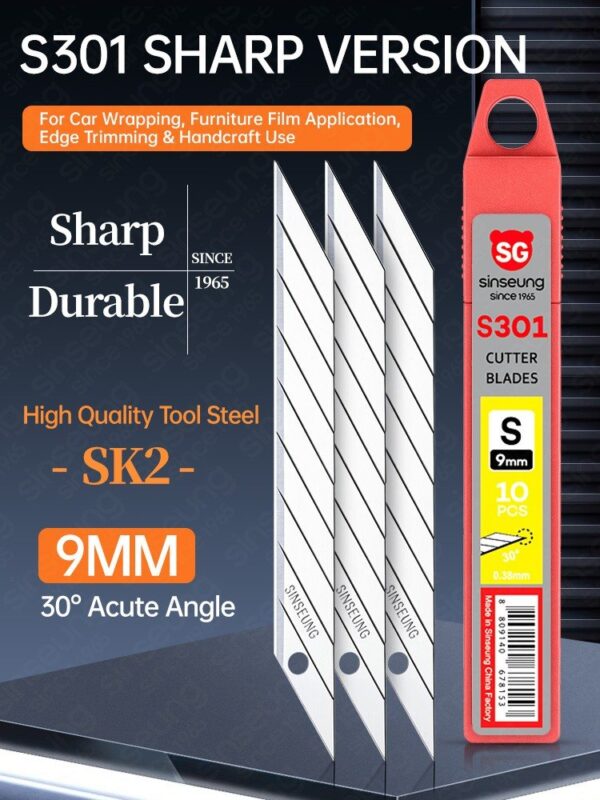
A 30-degree tip usually gives better access to fine lines. It can help with tighter curves, small corner starts, and shallow scoring because less metal sits in front of the cutting point.
The Steadier Feel of 45-Degree Tips
A 45-degree tip usually gives a more supported point. It can feel steadier for straight trimming or general craft work where the operator values durability and less fragile tip behavior.
|
Angle factor |
30-degree tendency |
45-degree tendency |
Buyer takeaway |
|
Line visibility |
Higher point visibility |
Moderate visibility |
Helpful for film and detail trimming |
|
Tip support |
More delicate point |
More supported point |
Match to operator pressure |
|
Curve work |
Better on tight starts |
Better on broader curves |
Application drives choice |
|
Stock planning |
Niche precision line |
General precision line |
Offer clear use guidance |
Matching Tip Angle to Film and Detail Work
Film work makes tip angle especially visible because the user often cuts close to a finished surface. A sharp edge matters, but the angle also decides how easily the tip enters vinyl, window film, or PPF without dragging.
A PPF cutter blade for fine trimming belongs in a product range when installers need a slim blade that can refresh the point quickly. The blade still needs controlled pressure because a fine tip is not a license to force the cut.
PPF and Vinyl Edges
PPF and vinyl edges reward a tip that can follow the line without lifting the film. Many buyers also care about smooth cutting feel because rough movement can create waste on expensive material.
Craft, Paper, and Light Scoring
Craft and paper applications often use similar logic but with less surface-risk pressure. A narrower tip helps start the cut neatly, while a wider tip can serve users who press harder or cut longer straight sections.
- Use a narrow tip where visibility and tight turns matter.
- Use a more supported tip where straight cuts and repeated pressure matter.
- Keep blade exposure short to improve control.
- Replace or snap to a fresh point before the blade begins to drag.
The Knife Holder Changes the Feel
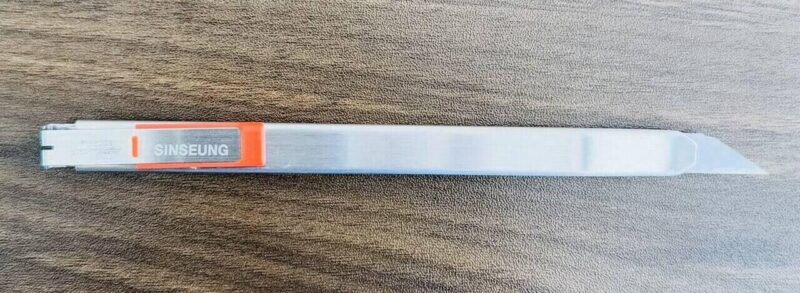
The handle can amplify or reduce the benefit of a precision tip. A slim, stable holder helps the operator keep the chosen angle steady and avoid twisting the blade during a delicate cut.
Sinseung’s S506 utility cutter is positioned for wrapping and tinting work, which makes it relevant when buyers evaluate fine cutter blade control alongside replacement blades. The blade angle and the handle design should be evaluated together.
Stocking Angle-Sensitive Blade Lines
Wholesale buyers should avoid presenting tip angle as a mysterious technical upgrade. A cleaner sales message is to connect 30-degree snap off blades with fine-line work and reserve broader tip options for users who need more point support.
A useful assortment note can separate three buyer groups. Film installers look for clean entry and controlled pressure, craft users often look for point visibility, and general utility users may care more about a tip that tolerates repeated straight cuts.
For auto film and wrap channels, wrap cutter blade options can sit beside PPF-focused blades when the range needs more than one cutting feel. The shelf logic should stay application-led.
Packaging and sales copy should make that shelf logic visible. Instead of only printing the angle, the product range should tell buyers whether the blade is meant for film trimming, light craft scoring, paper work, or daily shop use.
Quality control still matters after the angle is chosen. A fine tip is useful only when the steel, grind, and snap-off line remain consistent from batch to batch, because uneven production makes precision harder to repeat.
For importers, the final decision is usually a range decision rather than a single-blade decision. One line can serve high-detail film work, another can serve ordinary precision trimming, and the knife holder can help users feel the difference immediately.
Summary
A 30-degree cutter blade generally favors visibility and precise entry, while a 45-degree blade generally favors a more supported tip. The better choice depends on material, pressure, cut shape, and the knife holder that controls the blade.
For a precision blade assortment, send the cutting application so the angle choice can be matched to film, craft, paper, or general trimming work.
FAQ
Are 30-degree snap off blades only for PPF?
No. PPF is a common precision example, but 30-degree snap off blades can also suit vinyl, light paper scoring, stencil work, and other fine-line tasks.
Is a 45-degree blade less precise?
A 45-degree blade is not automatically less precise. It usually gives more point support, which can help users who cut straighter lines or apply more pressure.
Why do plotter blade angles appear in this search area?
Plotter blade angles appear because both plotters and handheld cutters deal with tip geometry. The tools are different, so buyers should not transfer every rule directly.
Can tip angle reduce film waste?
The right tip angle can support cleaner starts and smoother turns, which may reduce mistakes. Operator skill, blade freshness, and handle control still matter.
What should wholesalers explain on a product page?
Wholesalers should explain the angle, intended material, compatible handle size, and the kind of cut the blade is designed to support. Clear use guidance reduces mismatched expectations.
-
 Are Box Cutter Blades Universal?Explain box cutter blade compatibility by width, holder channel, lock design, refill format, and model matching for trade buyers.2026/10/01
 -
How to Safely Snap Off a Utility Knife BladeLearn how to snap off a box cutter blade with controlled extension, safe break direction, secure containment, and practical S103 workstation checks.2026/09/24
-
Inside a Utility Knife: Carriers, Locks, ReassemblyLearn how carriers, locks, housings, and blade channels affect safe utility knife reassembly and daily cutter control.2026/09/17