
How to Safely Cut and Snap Off Cutter Blades Without Tools
2026-04-09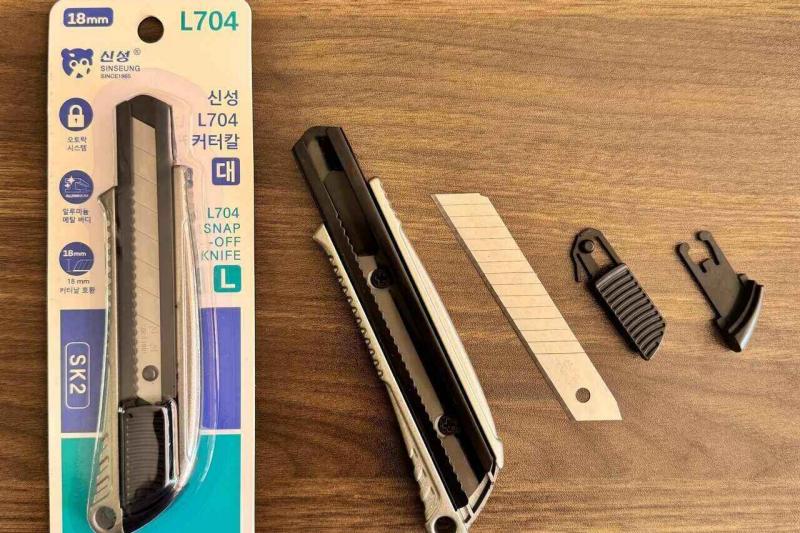
At Sinseung, we feel that closing a sale marks just the start of our support. Since 1965, our path as a top South Korean maker has centered on a steady drive for excellence in the metal cutting field. Whether you work as a dealer in the office supplies area or a builder in the building trade, grasping the details of your equipment matters greatly for both protection and smooth operation. A keen edge means a secure edge. Plus, learning how to cut the cutter blade properly helps your group keep top output. It avoids the hassle of blunt tips or the risk of wrong use.
Types of Cutter Blades Designed for Snapping
Not all blades come out the same. The way to update the tip relies fully on the build.
Snap-off Utility Blades
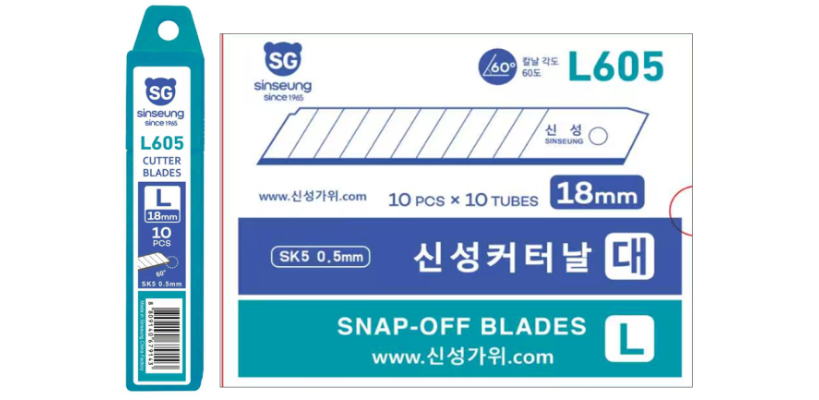
The usual blades in building, car care, and office work are snap-off types. Think of our S103 (9mm) or L203 (18mm) kinds. These have marked lines ahead of time. Users can take off a worn part to show a new, very sharp point. Picking up how to snap off utility knife blade parts correctly is a common need in busy fields. Such as putting up wallpaper or wrapping cars.
Precision and Exacto Style Blades
For folks in art, crafts, or building film work, accuracy counts most. These slim blades call for a light handle. Knowing how to break off exacto knife ends or how to snap off exacto knife blade parts makes sure the fine holder stays safe in the process.
Heavy Duty and Industrial Blades
In the hardware and building supplies areas, bigger 25mm blades like our XL401 set the norm. Due to their width, grasping how to break utility knife blade parts in these wide sizes needs more steady pressure than the small ones.
Regular snap-off types
|
Model Series |
Width |
Common Applications |
Hardness (HRC) |
|
S-Series (e.g., S301) |
9mm |
Stationery, Car Wrap, Office |
58 |
|
L-Series (e.g., L203) |
18mm |
Construction, Wallpaper, Leather |
58 |
|
XL-Series (e.g., XL401) |
25mm |
Heavy Construction, Industrial Cutting |
58 |
Why Safe Snapping is a Business Priority
From a business-to-business view, protection goes beyond health. It ties to running smooth work.
- Injury Prevention: Getting how to break the blade of a cutterwrong can cause “cracking” instead of a clean snap. Our better making steps ensure a neat split. This cuts the chance of sharp metal bits flying out.
- Blade Longevity: A neat snap keeps the left parts lined up and keen. If you break a blade the wrong way, it might harm the inside path of the utility knife.
- Cost-Effectiveness: We aim to give fair prices for matching quality. But the real worth lies in the blade’s strength.
Professional Methods for Cutting Blades Without Extra Tools
While some experts carry special breaking tools, most good utility knives work on their own. Here is our advice for using our goods on the job.
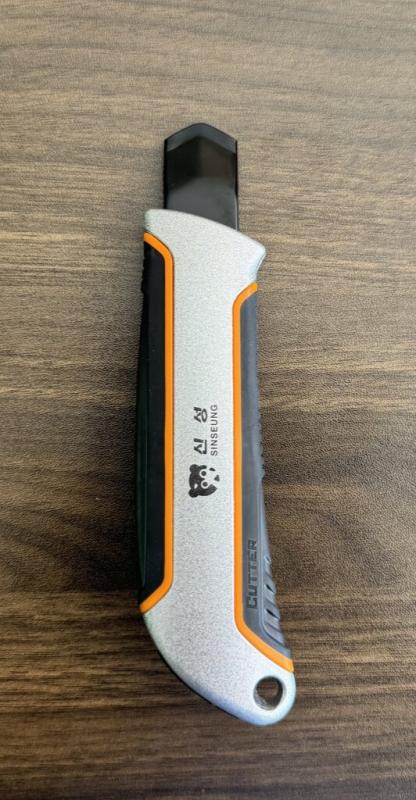
Using the Built-in Snapper Cap
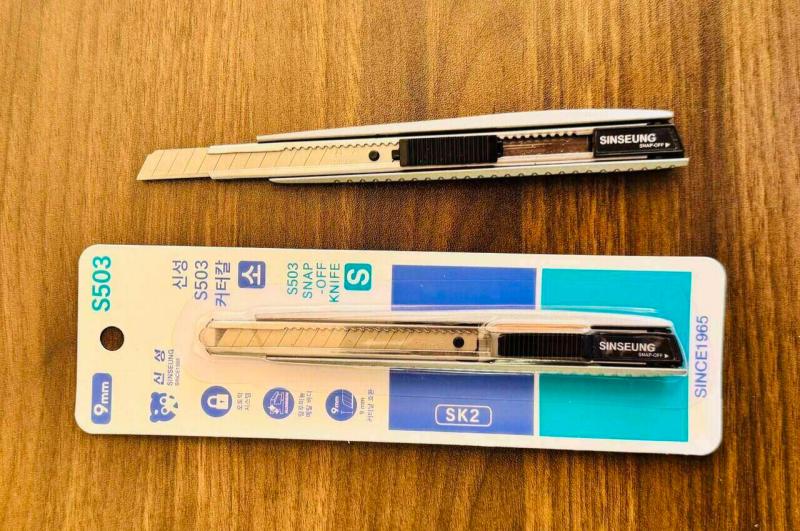
Most of our utility knives, like the S503 or L708, include a take-off end cap with a special notch. This stands as the securest path to handle how to cut cutter blade without tool.
- Push out the blade until just one part shows past the knife’s side.
- Take the cap off the back of the knife.
- Put the worn blade part into the notch on the cap.
- Push down hard, away from your body. The blade ought to break neatly at the marked line.
The Controlled Surface Pressure Method
If the cap isn’t there, you can still figure out how to cut the blade of a cutter by using a firm, steady side.
- Lay the marked line of the blade on the side of a work table or a solid metal surface.
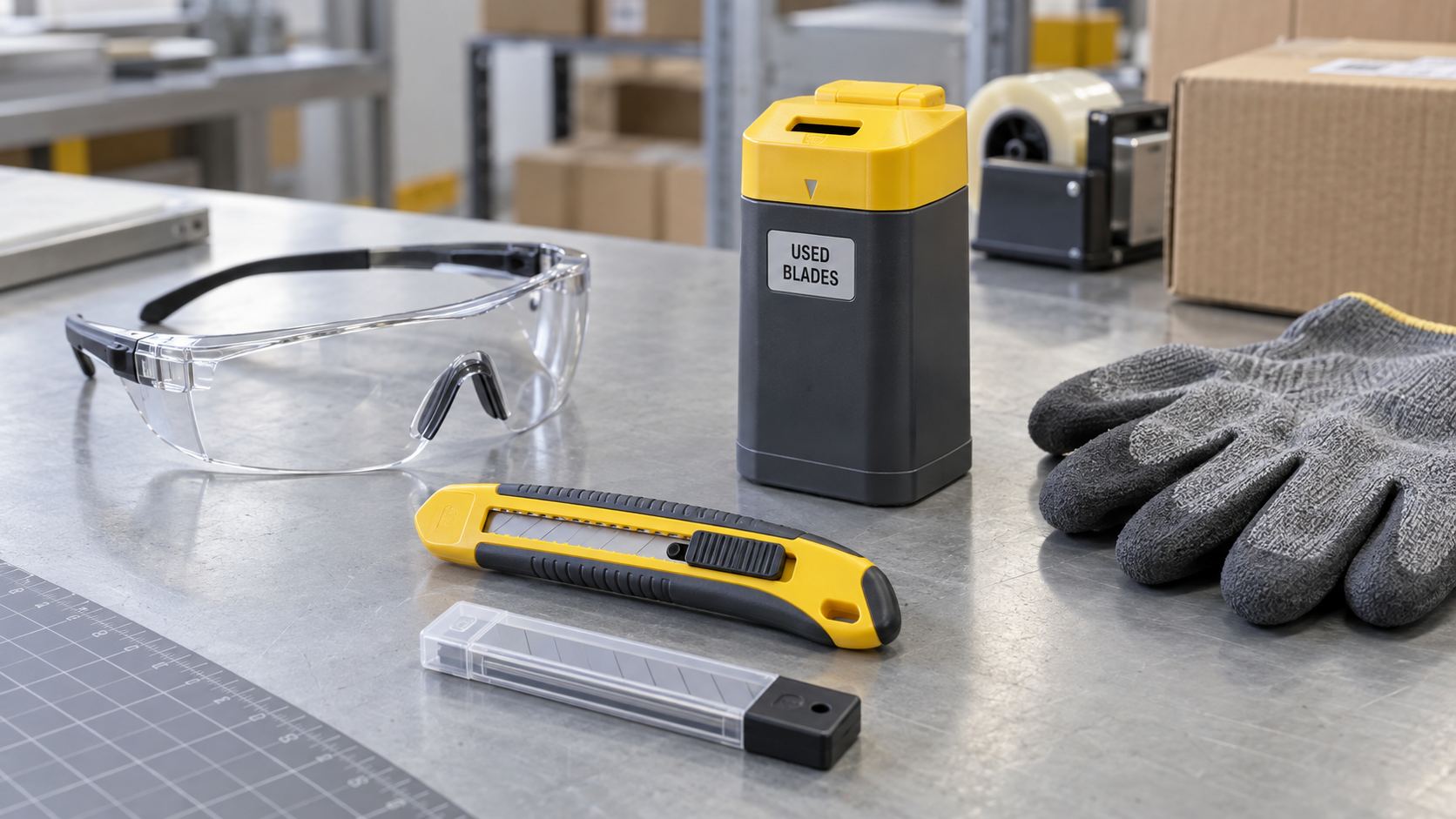
- Make sure you wear safety gloves. We always suggest that.
- Give a fast, sure push. Since our blades use fine steel and special heat work, they break exact at the mark line. They avoid curving.
Handling Precision Blades
When working with smaller gear, the best way is to use pliers if you have them, since these usually miss a snapper cap. But if you need to do it without gear:
- Use a set-aside waste box with a built-in breaking notch.
- Never try to break off blade parts with your bare hands. The chance of the blade sliding is too big. Even with our exact-made edges.
Common Mistakes to Avoid in the Workplace
Even with the finest gear, people can mess up and cause harm. We have seen a few usual errors when staff try to break utility knife blade parts:
- Excessive Extension: Pushing out more than one part at once can make the blade break in the center. Not at the mark line.
- Lateral Pressure: Putting push to the side rather than down can lead to a rough split.
- Ignoring the Score Line: Every Sinseung blade has exact marks. Trying to break it anywhere else will give a rough, risky edge.
Signs that it’s time to swap or snap your blade cover:
- More push is needed when slicing normal stuff like car wrap or cardboard.
- Clear chips or “teeth” on the slicing side.
- A rough end on the stuff being cut.
With tech advances and a pledge to provide help, we hope to team up with more world partners. To build a clear, smooth tomorrow. We supply the sharp tools you require.
If your group runs into problems with blade work or has ideas to better it, reach out to Sinseung. We prize lasting ties. We give steady help for brand push and market growth to our partners.
FAQs
Are there specialized blades for the automotive detailing industry?
Yes, we focus on building blades just for the car wrap and window film fields. These blades aim for high accuracy and neat breaks. That’s key when handling costly car surfaces. A worn or rough blade could lead to big harm there.
What should we do if our team finds the blades are not snapping cleanly?
We hold tight checks on quality. That includes tossing whole sets if flaws show up. If you face any troubles, our sales lead will reach out right away. They will talk over a fix that fits you. We take in buyer input for steady quality gains.
Is there a minimum order quantity for standard Sinseung blades?
For our usual goods, no minimum order amount (MOQ) exists. You just cover the delivery costs. This lets new business-to-business buyers check area response with a small first batch. Before going for bigger ones. For custom-packed items, the MOQ varies by the exact wants.
-
 SK2 vs SK5 Utility Blades for Different JobsCompare SK2 and SK5 utility blade grades by sharpness, toughness, edge life, and job fit for wholesale blade selection.2026/10/07
 -
Are Box Cutter Blades Universal?Explain box cutter blade compatibility by width, holder channel, lock design, refill format, and model matching for trade buyers.2026/10/01
-
How to Safely Snap Off a Utility Knife BladeLearn how to snap off a box cutter blade with controlled extension, safe break direction, secure containment, and practical S103 workstation checks.2026/09/24