
لماذا تعتبر الشفرات غير الحادة أكثر خطورة من الشفرات الحادة؟
2026-07-09
مقدمة
في عمليات القطع الصناعية، تؤثر حالة الشفرة بشكل مباشر على سلامة المشغل ودقة القطع واستقرار سير العمل. غالبًا ما تُعتبر الشفرات الحادة مصدر القلق الرئيسي للسلامة، إلا أن التطبيقات الميدانية في مجالات التعبئة والتغليف والبناء ومعالجة المواد تُظهر نمطًا مختلفًا للمخاطر. تتطلب الشفرات غير الحادة قوة أكبر، وتقلل من التحكم، وتزيد بشكل كبير من احتمالية الإصابات العرضية أثناء العمليات اليومية.
لماذا تزيد الشفرات غير الحادة من المخاطر التشغيلية في مهام القطع الصناعية؟
تؤدي الشفرات البالية إلى زيادة الاحتكاك أثناء القطع، مما يجبر العمال على بذل جهد أكبر مع ضغط أقل ثباتًا. هذا التغير في القوة البدنية هو السبب الرئيسي لإصابات العمل. ومع ازدياد الاحتكاك، يصبح وضع اليد غير دقيق، وبالتالي يصعب توجيه مسار القطع.
تتميز بعض الأماكن بسير عمل سريع للغاية، مثل خطوط التعبئة والتغليف المزدحمة أو مواقع البناء النشطة. في هذه الأماكن، يتسبب القطع غير المنتظم في قيام العمال بإجراء تعديلات دقيقة ومستمرة. كل تعديل بسيط يزيد من مدة ملامسة الشفرة للمادة، مما يزيد من خطر الانزلاق المفاجئ.
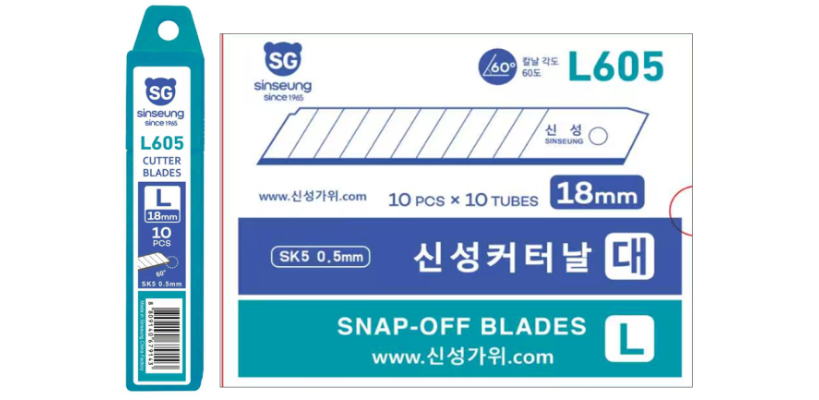
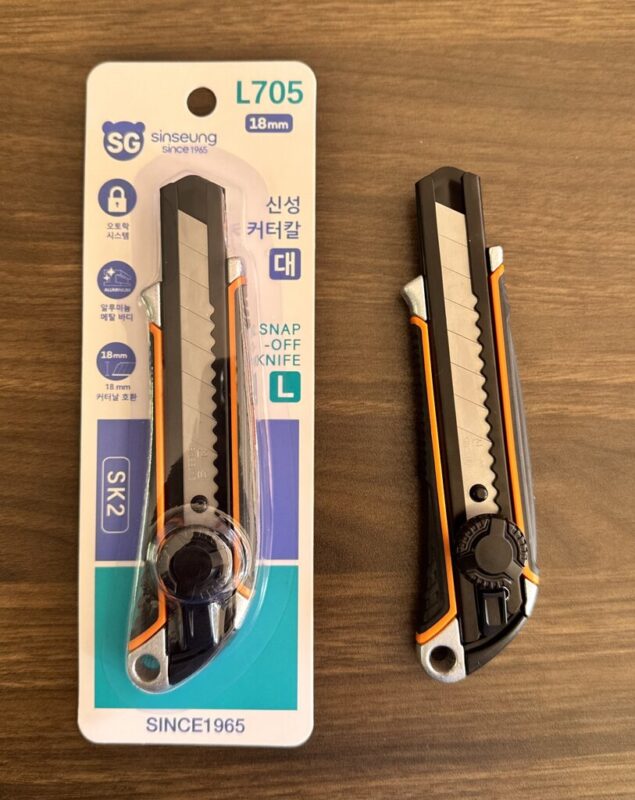
في المهام اليومية الفعلية، أدوات مثل شفرة سكين متعددة الاستخدامات قابلة للكسر تساعد الأنظمة في الحفاظ على حدة القطع. ولكن في بعض الأحيان، ينسى المستخدمون تغيير القطع بالسرعة الكافية، مما يؤدي إلى فقدان حافة القطع لشكلها الأملس، وبالتالي حدوث احتكاك غير منتظم أثناء القطع.
كيف يؤدي عدم استقرار القوة الناتج عن الشفرات غير الحادة إلى إصابات الانزلاق الدقيق؟
تحدث حالات الانزلاق الدقيق عندما تفقد الشفرة فجأة الضغط المخزن فيها بعد فشلها في قطع المواد بسلاسة. وهذا شائع عندما يستخدم المشغلون شفرات غير حادة على الكرتون المقوى أو الأغشية البلاستيكية أو مواد التغليف الصناعية متعددة الطبقات.
لا تكمن المشكلة في انقطاع مفاجئ، بل في تراكم تدريجي للقوة يتبعه إطلاق غير متحكم به. وهذا يُحدث فقدانًا مؤقتًا ولكنه حرج للسيطرة على الأداة. في المهام المتكررة، حتى الانزلاقات الصغيرة قد تتراكم لتتحول إلى حوادث خطيرة.
متى يجب جدولة استبدال الشفرات في عمليات B2B
يُعدّ توقيت استبدال الشفرات معيارًا أمنيًا مُحكمًا، وليس مسألة تفضيل شخصي. في عمليات الإنتاج الصناعية المنظمة، يتحدد معدل الاستبدال بناءً على حمل القطع ونوع المادة وحجم الاستخدام اليومي.
على سبيل المثال، تتطلب عمليات التعبئة والتغليف التي تتضمن قطع الكرتون بشكل مستمر تغيير الشفرات بشكل متكرر أكثر من عمليات تقليم المواد الخفيفة. وعندما تُستخدم الشفرات بعد انتهاء عمرها الافتراضي الفعال، يصبح تدهور الأداء عامل خطر على السلامة.
|
بيئة الاستخدام |
نوع المواد |
دورة الاستبدال الموصى بها |
مستوى المخاطر في حالة التأخير |
|
خط التعبئة والتغليف |
كرتون مموج |
كل ساعتين إلى أربع ساعات من الاستخدام المتواصل |
مرتفع (يزداد خطر الانزلاق بسرعة) |
|
موقع البناء |
ألواح الجبس / العزل |
يومياً أو لكل وردية |
متوسط إلى مرتفع |
|
أعمال تصوير السيارات |
فيلم فينيل / لاصق |
من يوم إلى يومين حسب الكمية |
متوسطة |
|
صيانة خفيفة |
ورق / بلاستيك رقيق |
أسبوعي |
منخفض - متوسط |
يربط هذا النهج المنظم حالة الشفرة بالسلامة التشغيلية بدلاً من الاستبدال التفاعلي.
لماذا لا يُعدّ شحذ شفرات السكاكين متعددة الاستخدامات مناسبًا للتحكم الصناعي؟
تُحدث طرق الشحذ تباينًا في هندسة الشفرة، مما يؤثر بشكل مباشر على استقرار القطع. وعلى عكس الأدوات الصناعية الثابتة، تعتمد أنظمة الشفرات القابلة للكسر على أجزاء موحدة للحفاظ على أداء قطع موحد.
غالباً ما تؤدي محاولات استعادة حدة الحواف من خلال طرق الشحذ إلى زوايا حواف غير متساوية. وهذا يقلل من إمكانية التنبؤ بمقاومة القطع ويزيد من الانحراف أثناء الاستخدام.
في بيئات الأعمال بين الشركات، يُعدّ الاتساق أهم من استعادة حدة الشفرة. فنقطة ضعف الشفرة المتوقعة أكثر أمانًا من حافة غير منتظمة الشحذ.
ماذا يحدث عند استخدام أنظمة الشفرات القابلة للكسر بشكل غير صحيح؟
أنظمة الشفرات القابلة للكسر صُممت هذه القطع للحفاظ على الدقة من خلال إزالة القطع بشكل مُتحكم فيه. ومع ذلك، فإن استخدام تقنيات كسر غير صحيحة أو قوة مفرطة أثناء إزالة القطع قد يؤدي إلى ظهور خطوط كسر غير متساوية.
يؤدي ذلك إلى عدم استقرار حواف القطع، مما قد يزيد المقاومة بدلاً من تقليلها. كما أن سوء الاستخدام يزيد من خطر تناثر شظايا الشفرة أثناء التشغيل.
تعتمد عملية التشغيل الآمنة على نقاط كسر مضبوطة وإجراءات التخلص المتسقة، مما يضمن أن كل جزء جديد يعمل ضمن معايير القطع المتوقعة.
معايير الجودة والسلامة للشفرات الصناعية في الاستخدام المهني
ترتبط سلامة الشفرات ارتباطًا وثيقًا باتساق التصنيع وجودة المواد والتحكم في المعالجة الحرارية. سينسونغ، أ مصنع شفرات القطع الاحترافي منذ عام 1965 في كوريا الجنوبية، تطبق أنظمة إنتاج صارمة تشمل التشغيل الآلي وفحص الجودة لكل دفعة من الشفرات.
تُستخدم منتجاتنا على نطاق واسع في قطاعات القرطاسية والبناء وتفصيل السيارات ومعالجة المواد الصناعية. وتشمل أسواق التصدير أوروبا وروسيا وجنوب شرق آسيا، حيث تُعدّ معايير السلامة والمتانة بالغة الأهمية.
تشمل عمليات مراقبة الجودة ما يلي:
- اختيار المواد الخام باستخدام درجات الصلب المستقرة
- التحكم في المعالجة الحرارية لتحقيق استقرار الحواف
- فحص على مستوى الدفعة لضمان أداء قطع موحد
- الامتثال لمعايير CE وMSDS لمعايير التوزيع الصناعي
يضمن هذا التناسق بقاء أداء الشفرة مستقرًا طوال دورة حياتها، مما يقلل من المخاطر الناجمة عن التآكل غير المتوقع.
إطار السلامة التشغيلية للحد من الإصابات المتعلقة بالشفرات
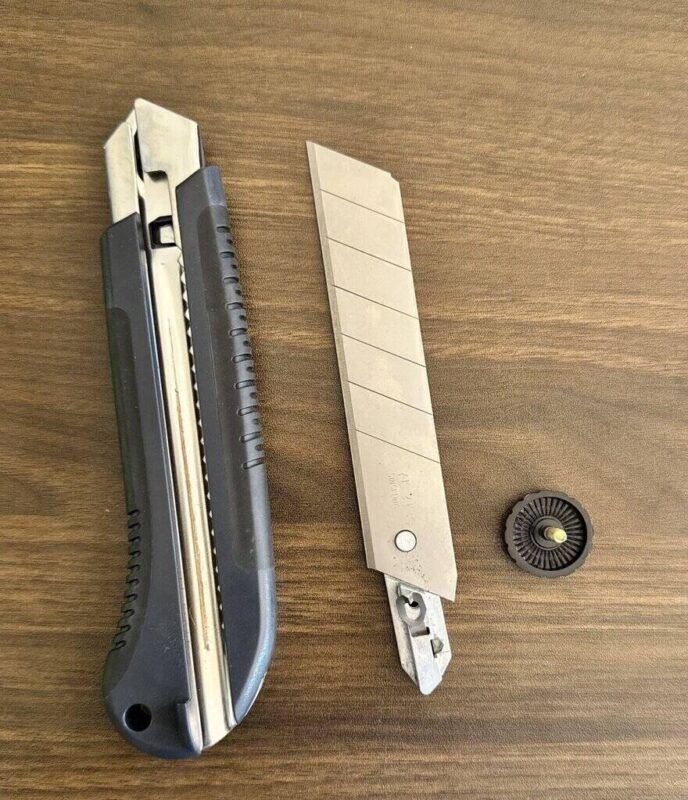
يُقلل إطار السلامة المنظم من المخاطر المتعلقة بالشفرات بشكل أكثر فعالية من التدريب الفردي وحده. وتعتمد السلامة الصناعية على تصميم النظام، وليس على تكيف المستخدم.
تشمل الضوابط التشغيلية الرئيسية ما يلي:
- استبدال الشفرات بشكل دوري بدلاً من الاستبدال التفاعلي
- الاستخدام الموحد لأنظمة الشفرات القابلة للكسر بين الفرق
- تقييد استخدام الشفرات البالية في مهام القطع عالية الضغط
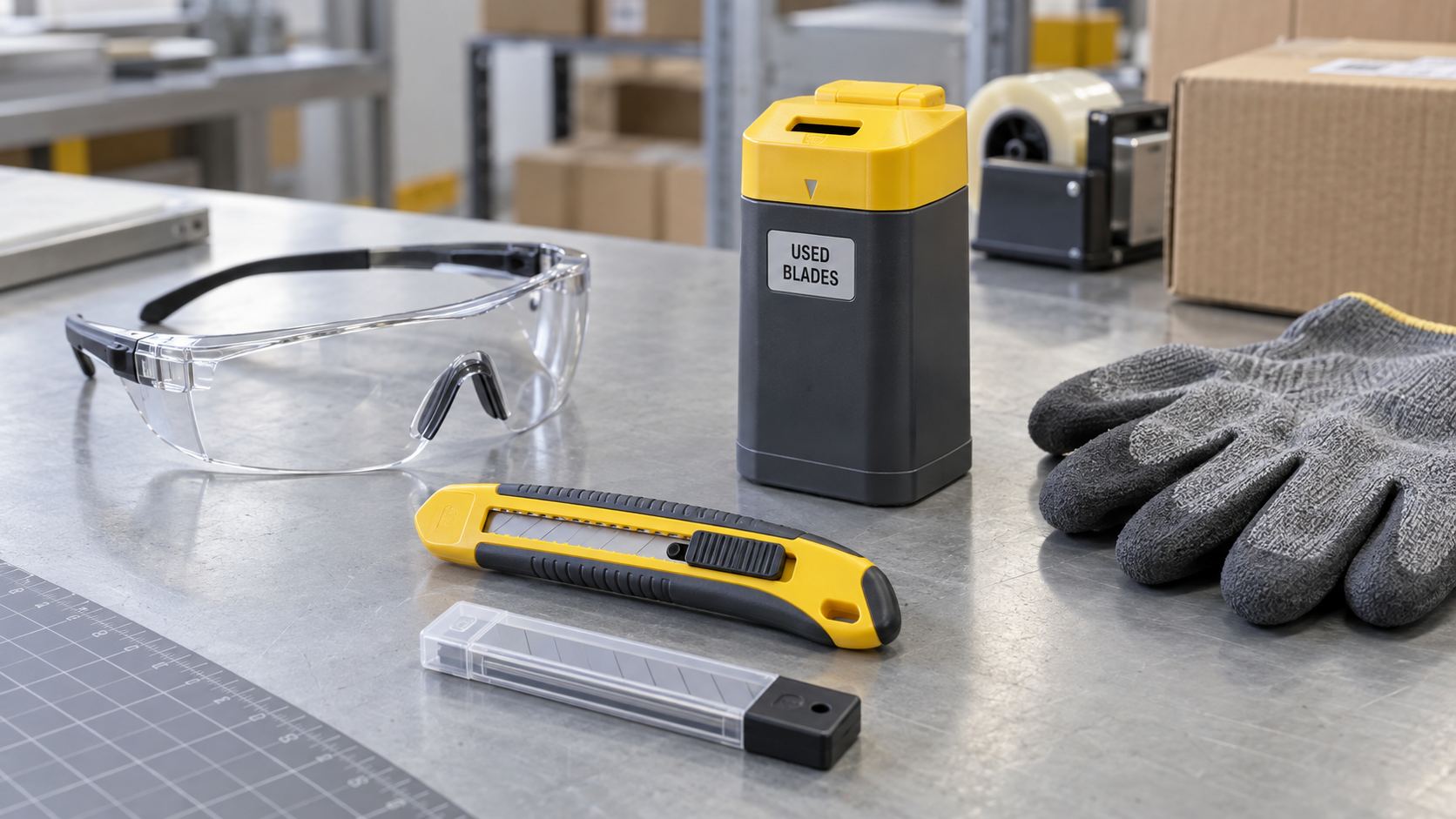
- ضمان التخلص السليم من أجزاء الشفرات المستعملة
تساهم هذه الإجراءات بشكل مباشر في تقليل تكرار سيناريوهات قوة القطع غير المنضبطة، والتي تعد السبب الرئيسي لإصابات الشفرات غير الحادة.
بالنسبة لفرق المشتريات والسلامة التي تسعى إلى تحسين الموثوقية التشغيلية، يعد التخطيط المنظم لتوريد واستبدال الشفرات إجراءً رئيسيًا للتحكم في المخاطر.
للحصول على استشارة فنية أو دعم في مجال المشتريات، يرجى التواصل معنا على الرقم التالي: معلومات المنتج وتقديم الاستفسارات متوفرة.
الأسئلة الشائعة: سلامة وصيانة الشفرات الصناعية
كم مرة يجب استبدال الشفرات في الاستخدام الصناعي؟
يعتمد معدل استبدال الشفرات على كثافة المادة وحجم القطع. في عمليات التعبئة والتغليف المستمرة، يتم استبدال الشفرات عادةً خلال نفس وردية العمل للحفاظ على أداء قطع مستقر وتقليل مخاطر الانزلاق.
هل يمكن شحذ شفرات قاطع الصناديق الباهتة لإعادة استخدامها؟
لا يُنصح بشحذ الشفرات في أنظمة الشفرات الصناعية القابلة للكسر. فهو يُنتج حوافًا غير متساوية ويقلل من دقة القطع، مما يزيد من مخاطر التشغيل في المهام المتكررة.
كيف يمكن الحد من الإصابات الناتجة عن الجروح في العمليات اليومية؟
تشمل تدابير السلامة الرئيسية الحفاظ على شفرات حادة، واستخدام زوايا قطع مضبوطة، وتطبيق وضعية يد ثابتة، واستبدال الشفرات قبل حدوث انخفاض ملحوظ في الأداء.
ما هي الطريقة الصحيحة لكسر الشفرات القابلة للكسر؟
يجب كسر أجزاء الشفرة باستخدام نقاط الكسر المحددة وبقوة مضبوطة. قد يؤدي الكسر غير الصحيح إلى حواف غير متساوية أو ظهور شظايا حادة، مما يزيد من مخاطر التعامل معها.
لماذا تحدث إصابات الجروح حتى مع التدريب على السلامة؟
ترتبط معظم الحوادث باستخدام شفرات غير حادة، وقوة قطع مفرطة، وعدم استقرار التحكم في الأداة، وليس بنقص التدريب. ويُعدّ التحكم في استبدال الشفرات على مستوى النظام أكثر فعالية من مجرد تصحيح السلوك.
استنتاج
يُعدّ استخدام الشفرات غير الحادة عامل خطر هيكلي في عمليات القطع الصناعية. فهو يزيد من متطلبات القوة، ويقلل من استقرار القطع، ويؤدي إلى حوادث انزلاق دقيقة يصعب السيطرة عليها أثناء المهام المتكررة. لذا، يُعدّ اتباع نهج منهجي لاستبدال الشفرات، إلى جانب ضمان جودة تصنيع ثابتة، أمرًا ضروريًا للحفاظ على سلامة العمليات.
بصفتنا شركة مصنعة لأنظمة القطع الدقيقة ذات تاريخ طويل، فإننا نواصل دعم المستخدمين الصناعيين العالميين بحلول شفرات مستقرة مصممة لتحقيق أداء متحكم فيه وتقليل المخاطر التشغيلية.
-
 SK2 vs SK5 Utility Blades for Different JobsCompare SK2 and SK5 utility blade grades by sharpness, toughness, edge life, and job fit for wholesale blade selection.2026/10/07
 -
Are Box Cutter Blades Universal?Explain box cutter blade compatibility by width, holder channel, lock design, refill format, and model matching for trade buyers.2026/10/01
-
How to Safely Snap Off a Utility Knife BladeLearn how to snap off a box cutter blade with controlled extension, safe break direction, secure containment, and practical S103 workstation checks.2026/09/24