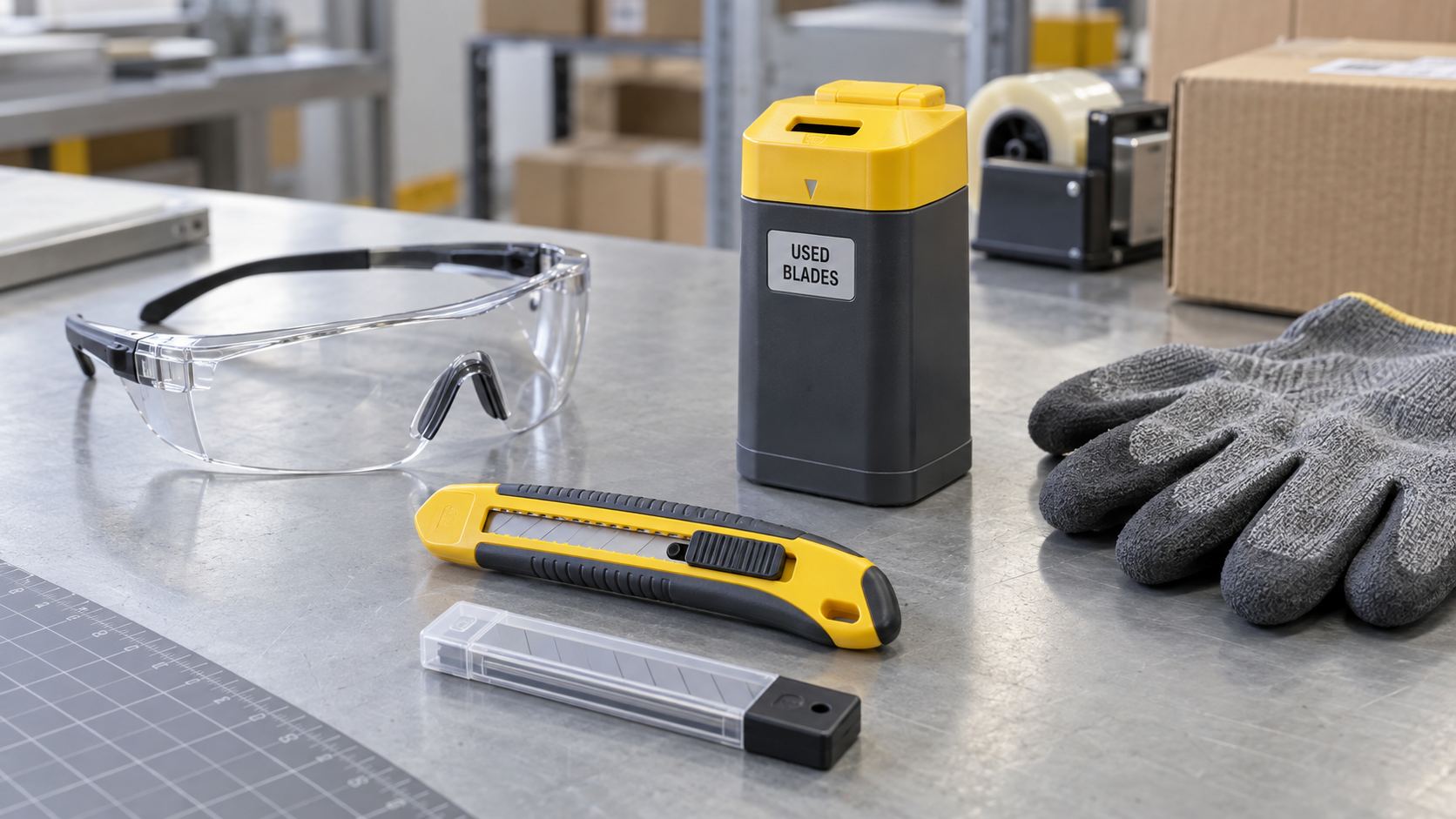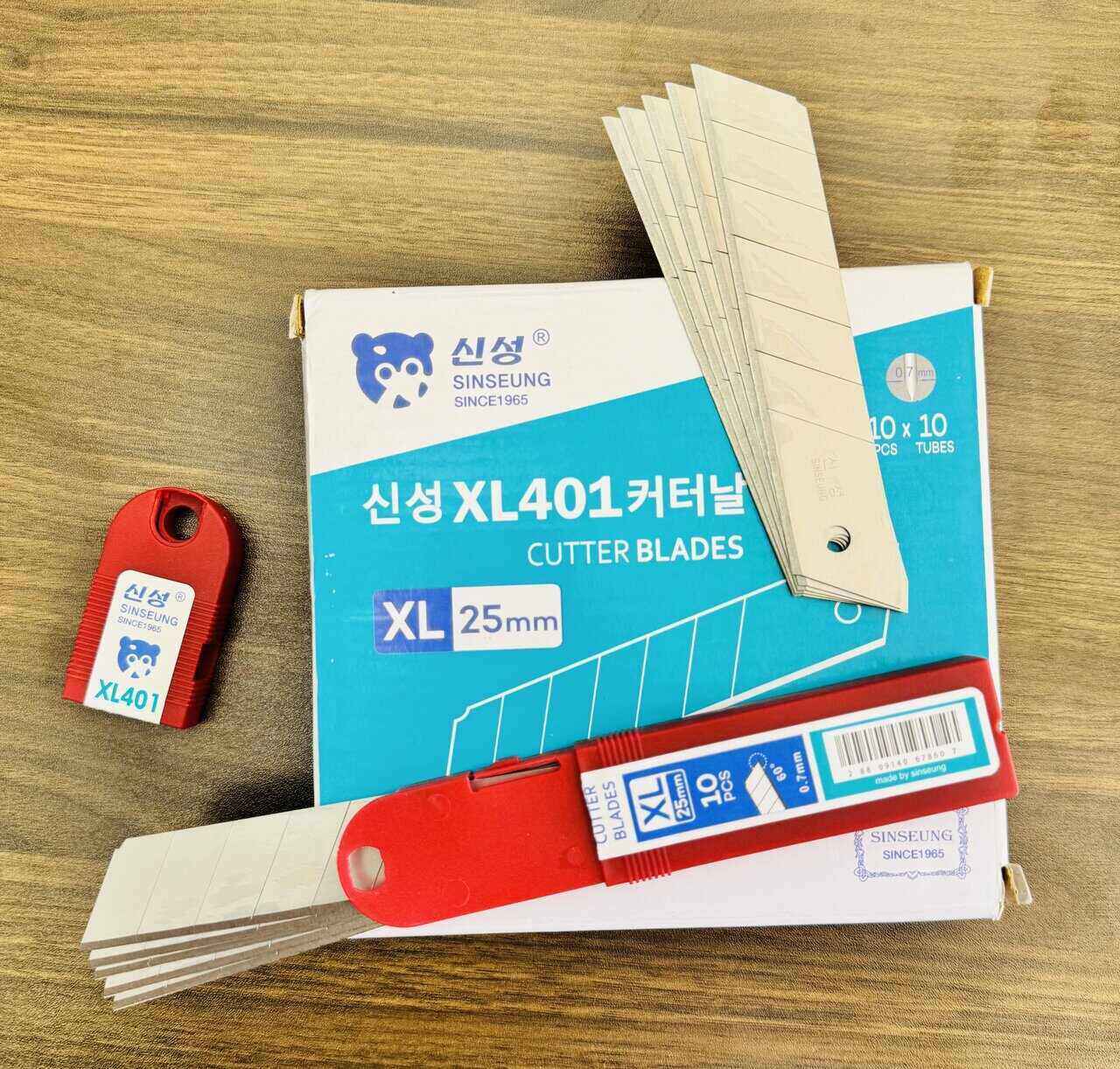

Как многофункциональные ножи могут повысить точность и эффективность?
2026-06-18
Компания Sinseung разрабатывает и производит режущие инструменты, опираясь на многолетний практический опыт, и мы знаем, что выбор подходящего лезвия — непростая задача для профессионалов. Независимо от того, работаете ли вы в сфере упаковки, производства или полиграфии, понимание принципов использования универсальных ножей влияет на производительность, безопасность и общую стоимость владения. В этой статье мы объясним, как подобрать инструмент с правильной геометрией, материалом и типом лезвия в соответствии с вашей задачей, и рассмотрим практические примеры. применение универсального ножа типы и рассказать, как мы оптимизируем использование режущих решений для наших клиентов.
Понимание типов и областей применения универсальных ножей
В каждой промышленной среде к режущим инструментам предъявляются специфические требования к их рабочим характеристикам. Универсальный нож с фиксированным лезвием обеспечивает прочность при работе с грубыми материалами, в то время как отключаемые лезвия Обеспечивает стабильное качество кромки для высокочастотных и точных задач по надрезанию. В отличие от этого, специализированный универсальный нож с крючкообразным лезвием отлично подходит для нарезки упакованных пленок без повреждения подложек.
В реальных условиях сегментированный универсальный нож обеспечивает баланс между долговечностью и удобством: пользователи могут отламывать сегменты режущего лезвия, когда кромка затупится, минимизируя время простоя и отходы. Закаленное стальное фиксированное лезвие с заточенной кромкой лучше всего подходит для работы с плотными материалами, такими как резина или композитные плиты. Разработка рабочего процесса с использованием этих инструментов требует четкого понимания того, как форма лезвия взаимодействует со свойствами материала:
|
Тип лезвия |
Идеальные материалы |
Типичный сценарий использования |
Продолжительность |
|
Отламывающееся лезвие |
Гофрированный картон, пленочные вкладыши |
Частые разрезы в упаковке |
Средне-высокая степень остроты (продолжение острых краев) |
|
Прецизионное лезвие |
Бумага, этикетки, легкий пенопласт |
Графические искусства |
Средне-высокий |
Факторы, влияющие на выбор лезвий для бизнес-операций.
Повышение производительности достигается за счет соответствия инструментов задачам. Для резки толстого прокладочного материала на конвейере требуется иной профиль режущего ножа, чем для обрезки плакатов в типографии. Помимо типа материала, мы выделяем три ключевых параметра, влияющих на производительность лезвия в среде B2B:
- Сохранение остроты лезвия и износостойкость: более твердые стали и прецизионная заточка продлевают срок службы лезвий, сокращая частоту их замены и количество отходов.
- Геометрия режущей кромки: односторонняя и двусторонняя заточка, микрофаски и острые углы влияют на то, насколько легко лезвие проникает и режет.
- Безопасность и эргономика: конструкция рукоятки и контроль выступа лезвия напрямую связаны с показателями безопасности на рабочем месте.
В ходе наших внутренних испытаний было установлено, что универсальные ножи с оптимизированной геометрией лезвия снижают утомляемость оператора до 33% при выполнении повторяющихся задач. Реальные данные показывают стабильный контроль при использовании универсальных ножей с выдвижным лезвием, если операторы подбирают подходящее лезвие для каждого типа материала. Например, на линиях по производству упаковки переход от обычных отламывающихся лезвий к высококачественным сегментированным лезвиям снизил частоту замены на 45%, одновременно улучшив качество резки.
При консультировании клиентов мы делаем акцент на том, чтобы выбор лезвий стал частью управления технологическим процессом: документирование того, какие вспомогательные ножи используются на каждом рабочем месте, позволяет планировщикам стандартизировать типы лезвий и уменьшить сложность артикулов при закупках.
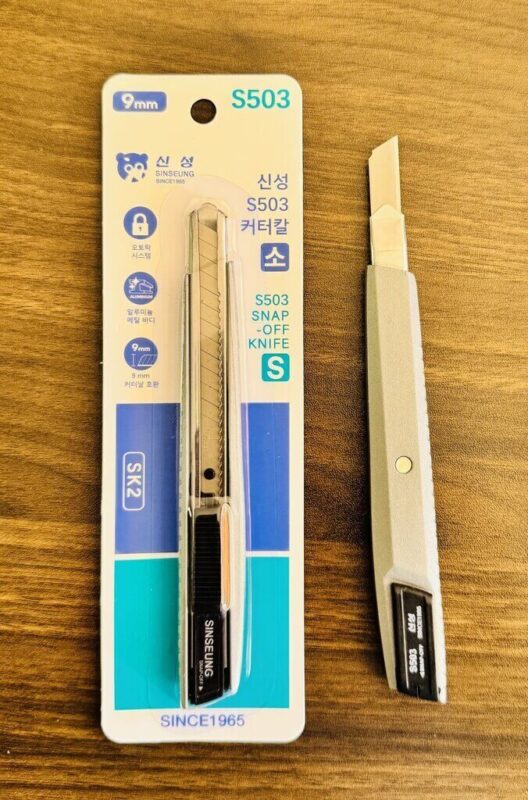
Максимальное использование универсальных ножей для повышения эффективности работы.
Помимо выбора подходящих лезвий, максимальная эффективность зависит от того, как инструменты используются ежедневно. Наш опыт работы с промышленными клиентами показывает, что следующие методы дают ощутимые преимущества:
Стандартизированное развертывание инструментов
Распределите функциональные ножи и определите области применения коробчатого лезвия для конкретных задач. Последовательность исключает неправильное использование. Например, режущий инструмент с крючкообразным лезвием не следует использовать для резки гофрокартона, поскольку его геометрия не рассчитана на такую нагрузку; это ускоряет износ и увеличивает риск.
Обучение операторов и техника
Обучите команды правильному захвату, углу наклона и скорости подачи. Небольшой угол полезен для нанесения надрезов на поверхность, а более крутые углы необходимы для плотных материалов. Это не «мягкие навыки» — это напрямую связано со сроком службы лезвия и стабильностью резки.
Графики технического обслуживания
Установите четкие правила замены лезвий. снять–режущее лезвие Системы должны инструктировать операторов по безопасному отламыванию и утилизации сегментов во избежание травм. Для лезвий с фиксированным лезвием четко определенные пороговые значения срока службы, основанные на циклах или количестве материалов, помогают сократить количество незаметных замен и поддерживать стандарты качества.
Запись данных о сроке службы лезвий, стоимости одного распила и отчетах об инцидентах предоставляет инженерам полезную информацию для принятия решений. Один из наших партнеров по логистике, которому мы оказывали поддержку, сократил время простоя, связанное с лезвиями, на 28% просто за счет регистрации параметров использования универсальных ножей и сопоставления их с соответствующими семействами лезвий.
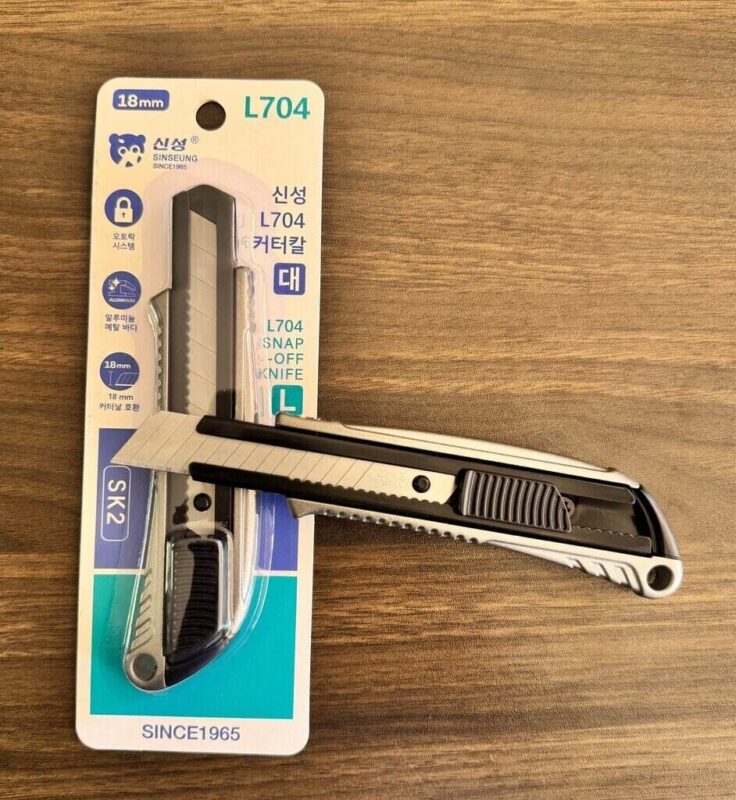
Техническое обслуживание и контроль качества режущих инструментов
Мы подходим к обеспечению качества с той же тщательностью, с которой проектируем наши инструменты. Каждый компонент режущего лезвия в нашем ассортименте проходит контролируемую термообработку и прецизионную обработку кромки, потому что мы знаем, что стабильность обеспечивает предсказуемую производительность — что крайне важно для инженеров-технологов.
В ходе периодического осмотра развернутых режущих инструментов следует проверять следующее:
- Деформация лезвия, зазубрины или коррозия
- Обеспечение целостности и надежности запирающих механизмов.
- Плавное движение при выдвижении/втягивании элементов
Вложение времени в проверку инструментов предотвращает неожиданные поломки, которые могут остановить производство или поставить под угрозу качество продукции. Данные, полученные от наших клиентов в упаковочной, текстильной и автомобильной отраслях, показывают, что плановые проверки инструментов снижают количество несчастных случаев более чем на 20% и повышают точность резки с первого раза.
Кроме того, документирование использования универсальных ножей в различных отделах позволяет командам по закупкам прогнозировать потребление лезвий и вести переговоры о ценах за объем, повышая рентабельность в категориях расходов на расходные материалы.
Заключение: Оптимизация выбора лезвий для достижения бизнес-результатов.
Обеспечение производственных или отгрузочных операций правильными режущими инструментами — это не второстепенный вопрос, а стратегический рычаг, повышающий точность, безопасность и производительность. Независимо от того, требуются ли вам универсальные режущие ножи для тяжелых материалов или высокоточные ножи со сменными лезвиями, соответствие конструкции лезвия вашим производственным требованиям повышает надежность и снижает затраты на выполнение задачи.
Мы разрабатываем наш портфель решений, учитывая реальные потребности рынка, и сотрудничаем с клиентами, чтобы создавать индивидуальные решения для резки, отвечающие их конкретным характеристикам материалов и особенностям использования. Сосредоточившись на выборе лезвий на основе данных и дисциплинированном использовании универсальных ножей, ваши команды смогут добиться более качественной резки, меньшего количества сбоев и повышения общей производительности.
Часто задаваемые вопросы
Как я могу получить ценовое предложение на промышленные универсальные ножи и лезвия?
Мы предлагаем мгновенные онлайн-расчеты стоимости с возможностью настройки типа лезвия, формы рукоятки и объема заказа. Загрузите технические характеристики материала или требования к режущему инструменту через наш портал для получения индивидуальных цен.
Какую послепродажную поддержку вы предоставляете для режущих инструментов?
Мы предоставляем рекомендации по жизненному циклу оборудования, советы по замене лезвий и документацию по техническому обслуживанию. Для сложных задач наша техническая команда может помочь с выбором лезвий и критериями их тестирования.
Можете помочь подобрать подходящий диск для моего конкретного материала?
Да — пришлите нам образец описания или спецификацию материала, и мы проанализируем его, сопоставив с профилями лезвий режущих ножей, чтобы порекомендовать наиболее эффективное решение.
Какие ресурсы для обучения технике безопасности доступны?
Мы поставляем руководства по технике безопасности на рабочем месте и учебные комплекты, посвященные передовым методам использования универсальных ножей, включая правильное обращение с механизмами отламывания режущих лезвий.
CTA: Готовы оптимизировать свои операции по резке? Получите мгновенную онлайн-оценку стоимости или загрузите технические характеристики материала для индивидуального решения на сайте наш официальный сайтНаша команда готова поддержать потребности вашего проекта.
-
 Are Box Cutter Blades Universal?Explain box cutter blade compatibility by width, holder channel, lock design, refill format, and model matching for trade buyers.2026/10/01
 -
How to Safely Snap Off a Utility Knife BladeLearn how to snap off a box cutter blade with controlled extension, safe break direction, secure containment, and practical S103 workstation checks.2026/09/24
-
30 vs 45 Degree Cutter Blades for PrecisionLearn how 30 and 45 degree cutter blade tips affect precision, durability, PPF trimming, and wholesale blade selection.2026/09/24