
Box Cutter Repair or Replacement? A Fault Guide
2026-10-15
When a box cutter sticks or fails to lock, getting a new blade is not always the best answer. Sometimes, a brand-new tool is also unnecessary. A quick diagnosis helps identify issues with debris, loading, the carrier, the slider, or the lock. This simple check stops a minor workplace hassle from turning into a serious safety risk.
A fault is often a fit problem before it is a broken tool
A box cutter that jams, retracts badly, or fails to lock securely does not automatically belong in the trash. Your first task involves figuring out the exact root cause. The issue might stem from trapped dirt or a ruined blade. It could also result from a misaligned carrier, a worn-out slider, or a failing lock mechanism that cannot hold the blade firmly.
Making this correct diagnosis matters greatly in wholesale support. Sending the wrong replacement part will likely just repeat the same error. A buyer might claim that a cutter is completely “broken.” However, the actual trouble often involves an incompatible refill. Sometimes, a user simply inserts the blade in the wrong direction.
The three fault zones that explain most complaints
Slider and track
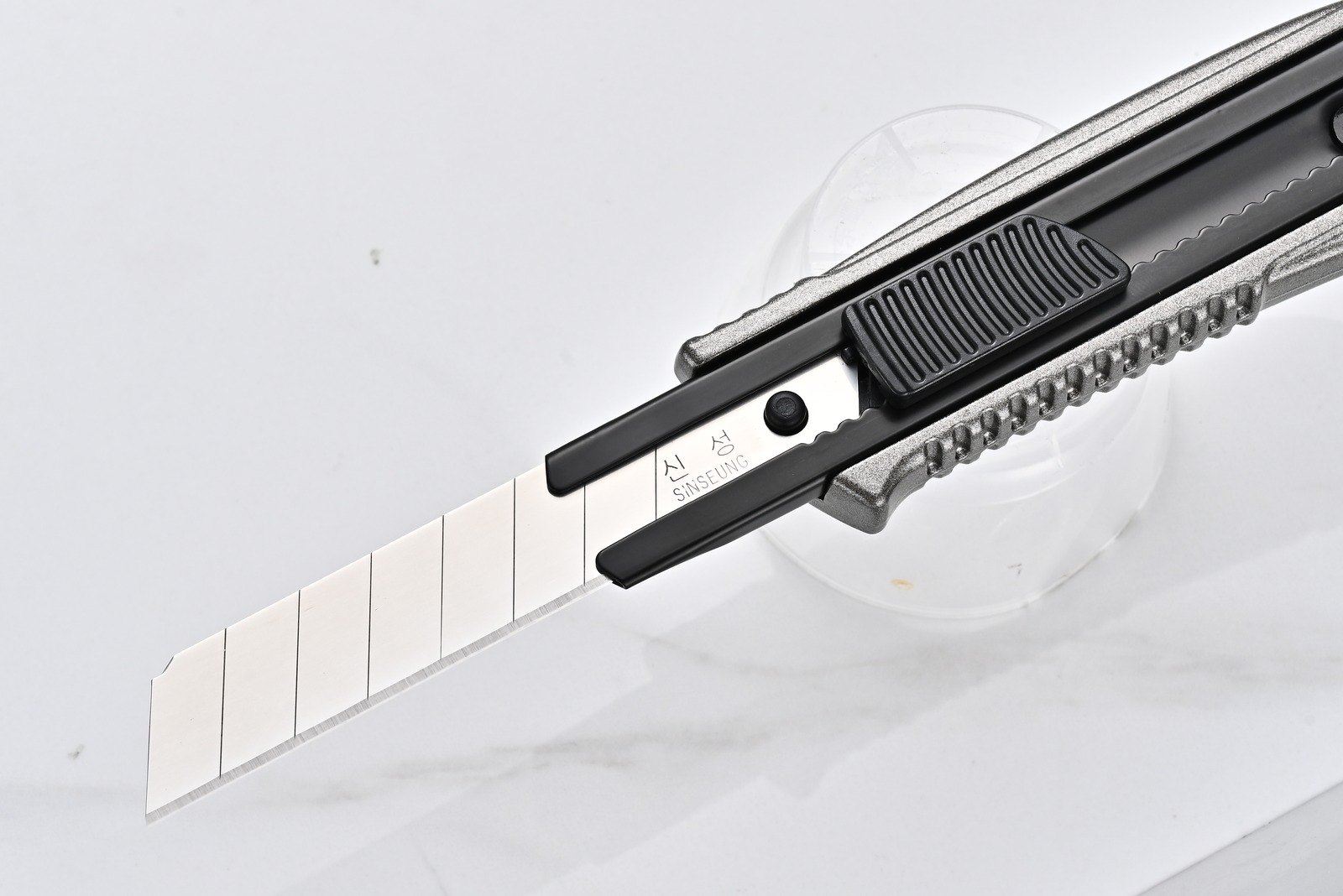
A slider issue typically shows up as rough movement or partial blade extension. It also happens when a blade simply refuses to pull back smoothly. You should check for visible dirt inside the main track. Also, look for any blade segment that has slipped outside its proper channel. Never force the slider against heavy resistance. Pushing too hard can easily ruin the internal guide.
Suppose the track appears perfectly clean, yet the sliding movement stays bumpy. In that case, you should compare your tool alongside a known-compatible refill. A bent or overly long blade often creates unwanted friction. This occurs even if the outer shell looks completely undamaged.
Lock and retention
Any locking trouble represents a major safety hazard. The blade might shift unexpectedly during a heavy cut. A good lock must secure the blade at your chosen spot without needing extra hand pressure. Sometimes the lock still slips after thorough cleaning and proper loading. When that happens, you must remove the tool from active service. Never rely on a temporary fix for a broken lock.
Carrier and loading point
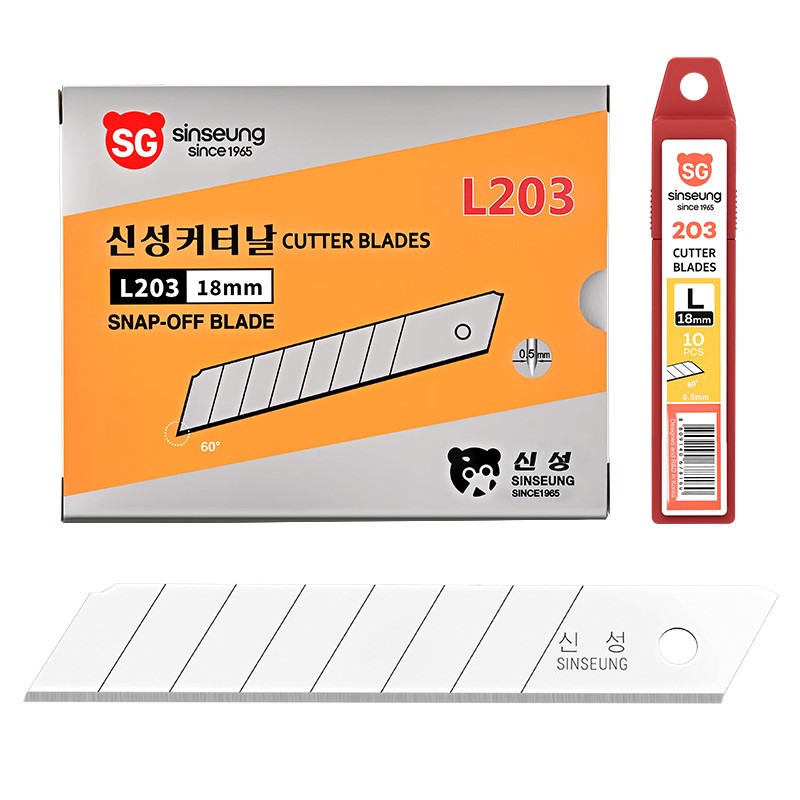
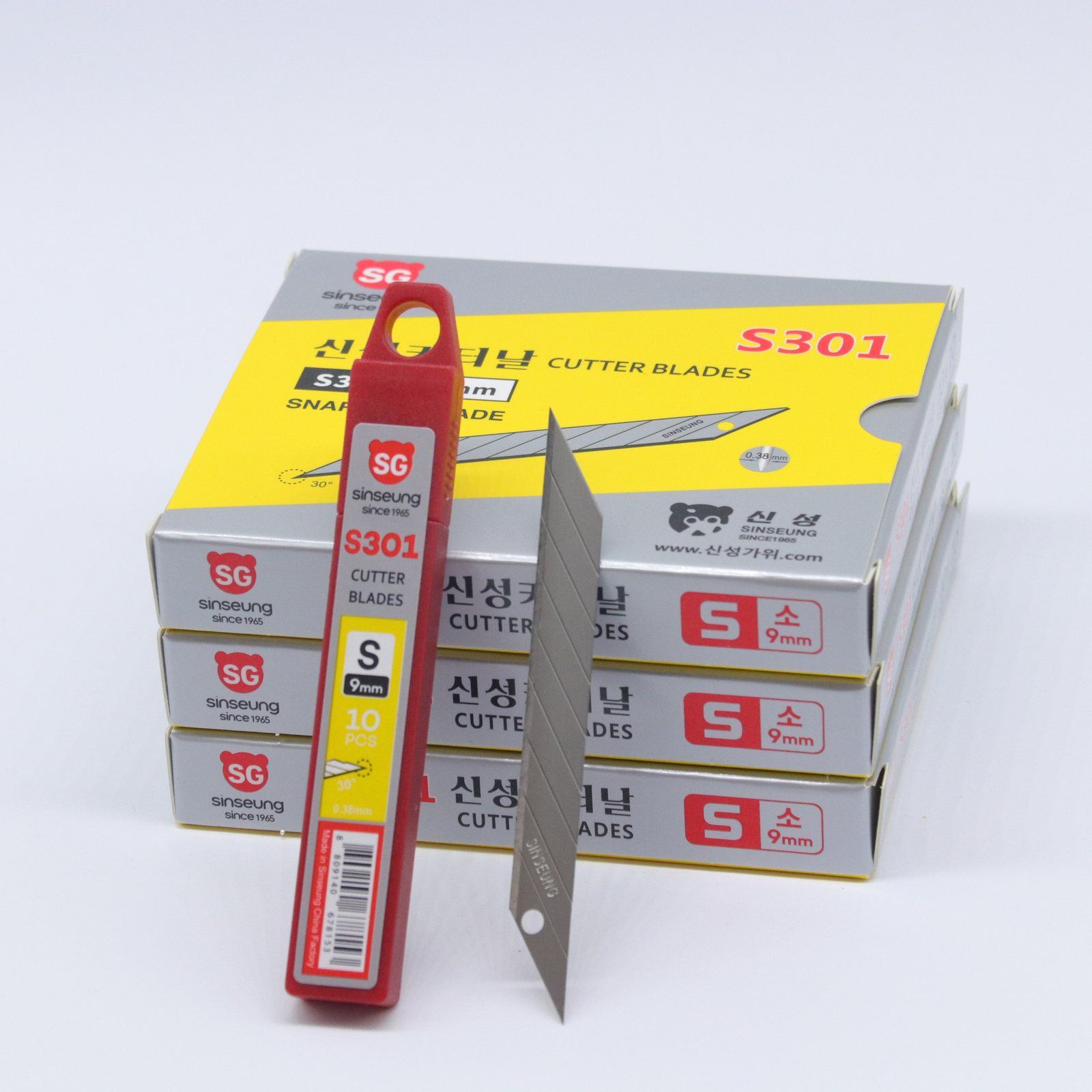
A loading difficulty frequently begins with the wrong blade format. The internal carrier, slot, screw, button, or guide must take the refill easily. It should do this without any bending or scraping. Product lines like 9mm and 18mm cutters rely on totally different working dimensions. Therefore, mere visual similarity is never enough to guarantee a proper fit.
|
Observed symptom |
Likely check |
Reasonable action |
Stop using when |
|
Slider drags noticeably |
Dirt, bent refill, incorrect width |
Clean it and load a verified refill |
Movement stays rough or blocked |
|
Blade refuses to lock |
Lock surface condition and carrier alignment |
Unload the tool and inspect |
Blade shifts under very light pressure |
|
Blade rests at an angle |
Blade orientation and slot matching |
Reload using only the specified format |
Carrier or blade shows visible damage |
|
Outer shell pops open unexpectedly |
Main housing or fastener state |
Take the tool out of service |
Housing fails to remain closed |
When cleaning or reloading can solve the issue
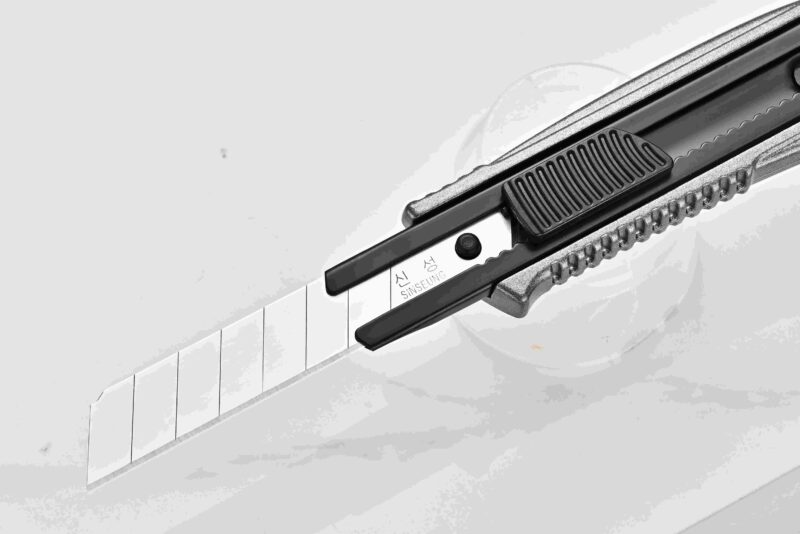
Cleaning makes sense when the main housing remains perfectly intact. It also helps if loose dirt or sticky residue in the blade channel clearly causes the trouble. You should use a dry, careful cleaning method. This prevents pushing the grime deeper into the lock or the sliding track. Always remove the blade before starting any inspection that puts your fingers near the sharp edge.
Reloading becomes necessary when the current refill looks visibly damaged or features the wrong size. It is also required if someone installed the blade backward. You must use the cutter’s officially intended blade family. Additionally, verify that the carrier sits correctly inside. After that, test the slider while pointing the sharp edge safely away from other people.
Inserting a fresh refill does not actually fix a broken lock. If the internal mechanism cannot grip the blade tightly, you must replace the entire tool. Alternatively, take it completely out of service. Keeping a defective cutter in active use creates a massive workplace danger. This risk far outweighs the minor cost of buying a new handle.
A simple repair-or-replace decision
The smartest decision rule focuses entirely on user control rather than outward appearance. A specific tool might look incredibly clean but still remain highly unsafe. This happens if the lock slips easily or the housing pops open. It is also dangerous if the blade fails to pull back reliably.
- Repair or reload when the housing and lock are sound and the cause is debris or wrong blade loading.
- Replace the refill when the edge is damaged or the blade format is incorrect.
- Replace the tool when the lock, slider track, carrier, or housing is damaged.
- Record repeated failures by model so purchasing can identify a pattern instead of treating every complaint as an isolated event.
What a buyer should confirm before reordering
A good reorder description needs to include the exact cutter format and the nominal blade width. It must also list the refill family, the specific locking method, and the intended daily application. For a standard 9mm workstream, the S506 cutter offers a very clear product path. For heavier, wider cutting tasks, the L705 format cleanly separates the 18mm tool decision from the refill choice.
The extensive Sinseung product range gives distributors a smart way to organize their catalogs. It lets them easily separate complete tool replacement from simple blade swapping. This clear distinction helps customer service teams greatly. They can ask the correct diagnostic questions before shipping out any spare parts.
For a highly format-specific comparison, reviewing utility knife blade replacement planning provides a very relevant reference point for this discussion.
Another highly useful reference for overall range planning involves checking детали резки коробок and 18mm carrier fit. This link supplies a helpful comparison point for this topic.
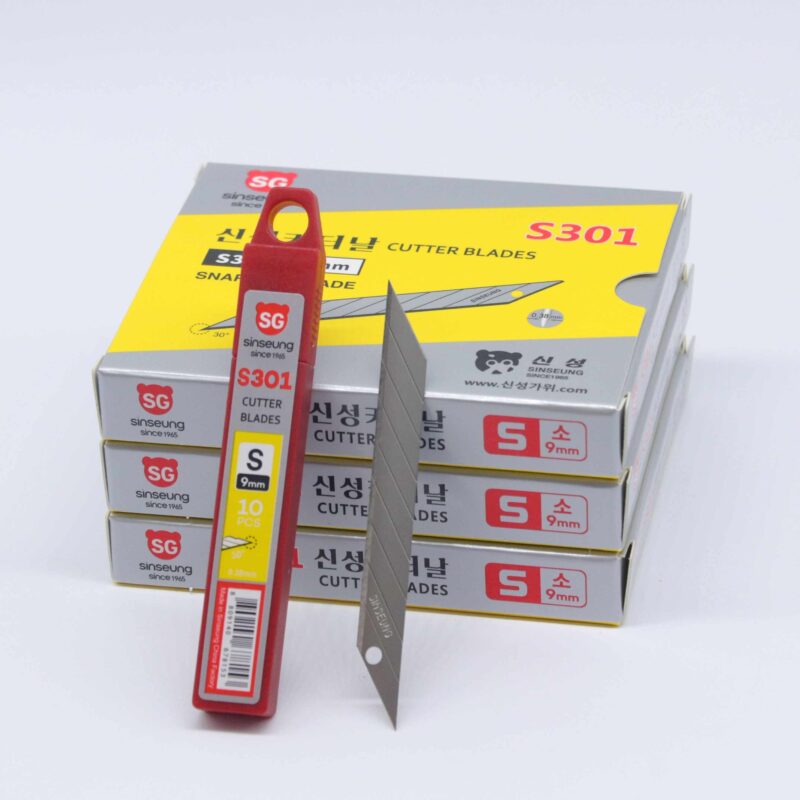
Managing the product family becomes much easier when the refill description connects directly to the intended cutter. Reading about how to fix a box cutter with the correct 9mm refill offers a valuable comparison point for this article.
The practical takeaway
Attempting a repair is truly appropriate only when the fault remains limited, highly visible, and easily controlled. Keeping channels clean, ensuring correct loading, and using officially verified refills will easily solve many minor user complaints. However, a slipping lock, a ruined carrier, or an unstable housing strictly demands a full replacement. In those bad situations, the cutter simply no longer provides safe, reliable blade control.
For daily professional users, establishing a clear model-to-refill mapping is just as crucial as owning the tool itself. This smart planning prevents a tiny compatibility error from transforming into a frustrating, repeated service issue.
You might want a solid replacement plan that neatly separates basic refill faults from serious tool failures. If so, please compare the relevant cutter formats carefully and contact Sinseung directly.
Часто задаваемые вопросы
How do I know if a box cutter needs replacing?
You must replace the unit whenever the lock slips constantly. Do the same if the main housing refuses to stay closed properly. A damaged carrier also signals the end of the tool’s life. Finally, throw it away if you cannot control and pull back the blade reliably.
Can a dirty blade channel cause the slider to stick?
Yes, it certainly can. Built-up dirt easily interferes with the slider or the internal carrier. However, you must clean the device only after taking out the blade completely. Always keep your bare hands far away from the sharp edge.
Does a new blade fix a loose lock?
No, it absolutely does not. Inserting a brand-new refill cannot miraculously restore a physically damaged locking mechanism. A loose lock always requires immediate removal from active service. Usually, it means you need a complete tool replacement.
Are 9mm and 18mm cutters loaded the same way?
They might rely on somewhat similar mechanical principles. However, their physical dimensions and internal carrier geometry differ significantly. You must always match the exact refill to the officially specified cutter format.
What should customer service ask first?
Representatives should first ask for the specific cutter model and the exact blade width. They must also request a clear description of the symptom. Finally, they need to verify whether the user installed the correct refill type. They should gather all this information before ever recommending a full replacement.
Предыдущая : how-to-evaluate-cutter-blade-quality-beyond-sharpness
Следующая : sk2-vs-sk5-utility-blades-for-different-jobs
-
 Can You Sharpen Box Cutter Blades? Limits and Trade-OffsExplore whether box cutter blades can be sharpened, what edge design changes, and why approved methods and verifiable results matter in professional use.2026/11/19
-
How to Cut Carpet Cleanly With Straight Utility BladesA practical guide for flooring teams and trade suppliers on clean carpet trimming, cut control, backing support, and blade replacement.2026/11/12
-
How to Check Snap-Off Blade Consistency in BulkA buyer-focused method for checking product identity, visible condition, fit information, and batch records when purchasing snap-off blades in quantity.2026/11/12