
Segmented vs Solid Utility Blades
2026-10-30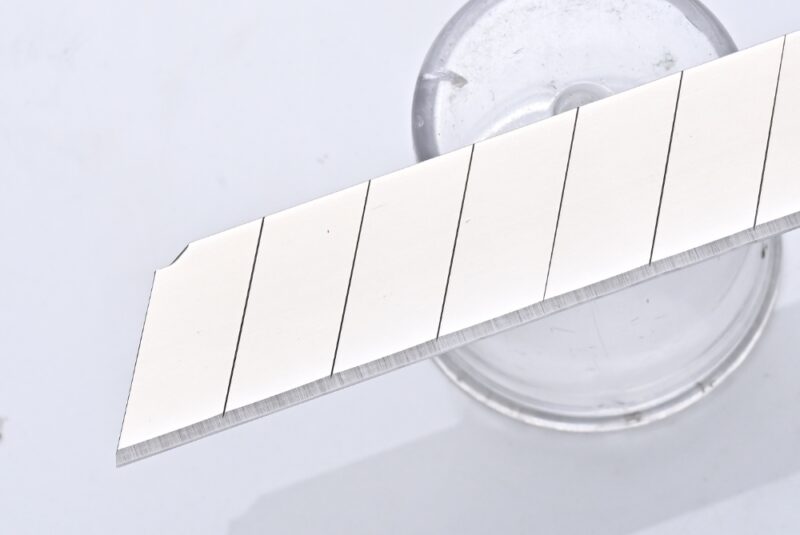
Break points make a utility blade much simpler to renew. However, they are not a perfect fix for every single cutting task. Segmented and solid blades handle entirely different issues. A buyer must understand this structure. Then, they can easily explain replacement value. They can do this without just repeating another generic article.
Break Points Solve an Edge Renewal Problem
Segmented blades are built specifically for users who need a fresh edge during constant work. The exposed tip eventually gets dull. When this happens, the user can simply snap off the worn piece. This action reveals a sharp point. It saves them from swapping out the entire blade.
This explains why searches for snap-off blades frequently mix product choices with snapping questions. Users really want to know about the break line. They wonder if it is a helpful feature, a structural weakness, or a safety risk. The true answer relies heavily on the specific tool. It also depends on the applied work pressure.
What Segments Add
Segments bring great convenience. They also provide highly predictable edge renewal. These features work remarkably well in daily routines. In these jobs, the tough cutting material ruins the tip long before the main blade body wears out.
What Solid Blades Add
Solid blades completely remove those intentional break points. This design choice makes perfect sense for certain tasks. The user might want a continuous metal body. They might use a totally different holder system. Also, they might just want less worry about snapping a piece during heavy-duty pressure.
|
Structure question |
Segmented blade |
Solid blade |
Decision cue |
|
Edge renewal |
Fresh point from snapping |
Full blade replacement |
Frequent trimming favors segments |
|
Blade body |
Features break lines |
Continuous body |
Applied pressure matters |
|
User training |
Requires proper snapping method |
Requires full replacement habit |
Both demand safe handling |
|
Wholesale message |
Convenience and cost savings |
Strength and basic simplicity |
Do not sell either as universal |
Where Segmented Blades Fit Trade Use
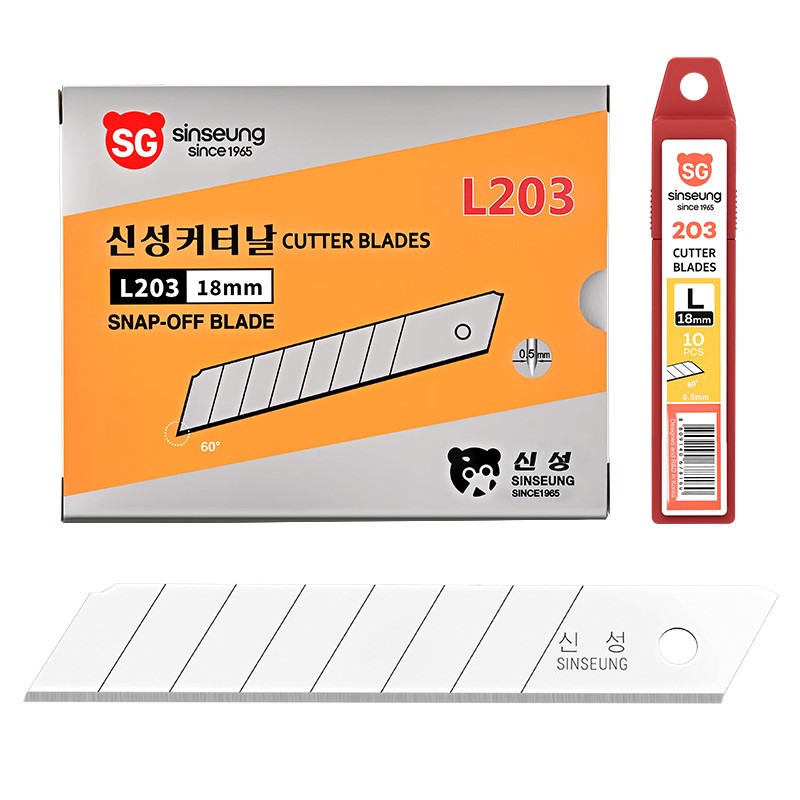
Segmented blades fit perfectly into trade channels. In these markets, users highly value rapid edge renewal. Workers cut wallpaper, window film, and light packaging. They also handle stationery and various shop-floor tasks. All these jobs benefit greatly from a tool that exposes a clean point very quickly.
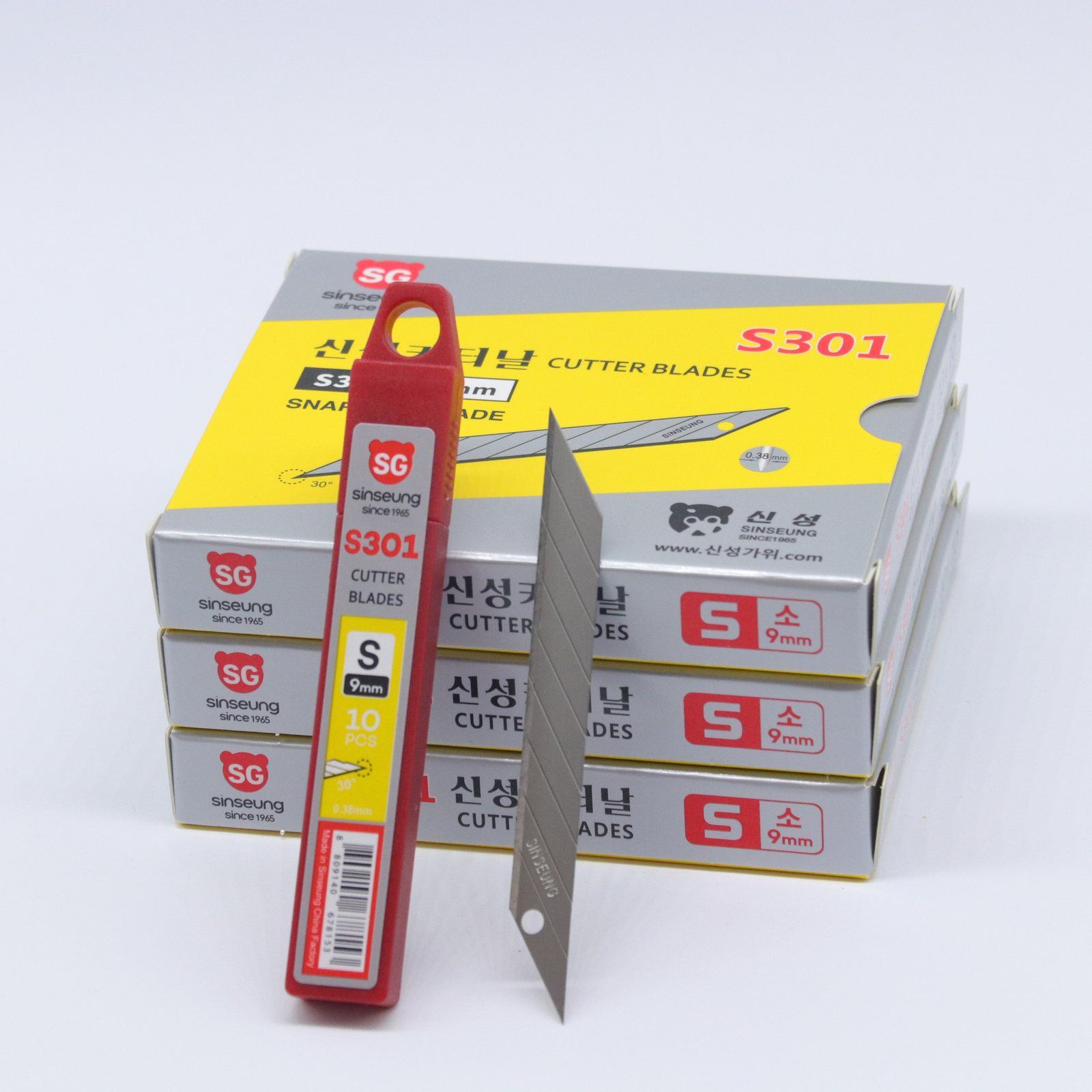
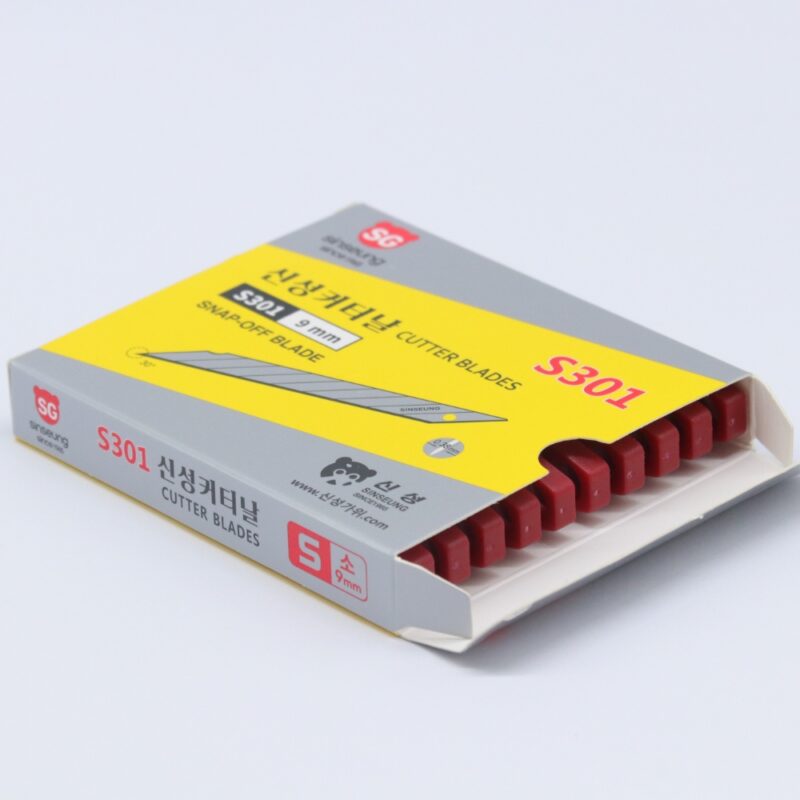
Sinseung’s core replacement range includes snap-off blades for daily utility work. This group features the 9mm, 18mm, and 25mm families. This specific range helps distributors organize their catalog. They can separate light precision tasks from heavier utility jobs. They manage this without changing the fundamental segmented concept.
Why Break Points Help in Repeated Trimming
Break points help the most during specific situations. This happens when the cutting task ruins the point much faster than it damages the main body. The user gains a very controlled way to refresh their working edge. This keeps the whole job moving smoothly.
Where Break Points Need Care
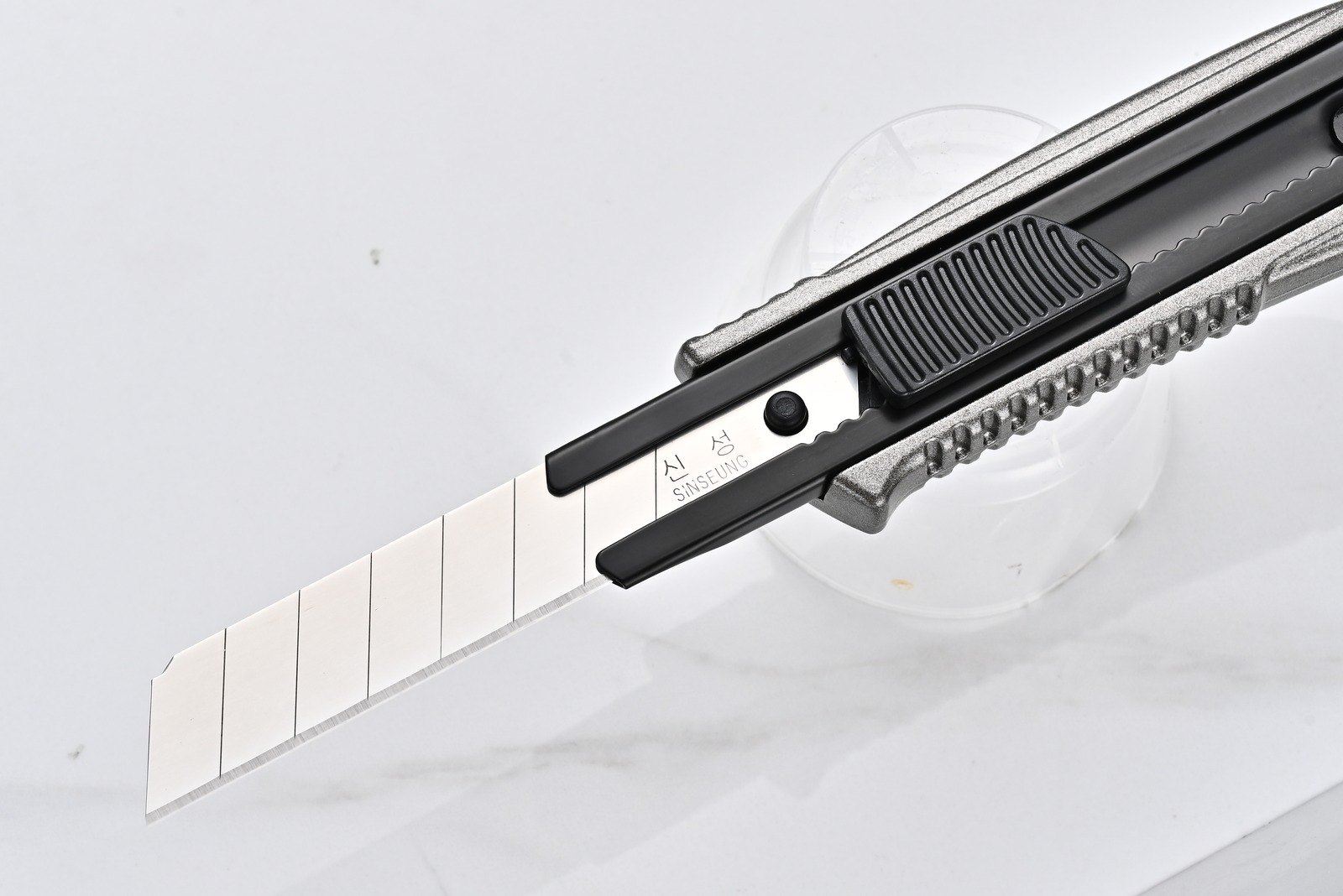
Break points definitely require extra care. Users must be cautious when they apply side pressure. They must also avoid extending too much metal. A segmented tool remains strongest under specific conditions. Only the strictly needed length should be exposed. Furthermore, the holder must support the metal securely.
- Keep the exposure short for much better control.
- Always use the correct holder size for that specific width.
- Snap the metal only at the designated line.
- Collect all used pieces in a safe container after renewal.
How to Compare Structure Without Mixing Categories
The exact phrase box cutter blade without break points often appears online. Users type this when they compare a solid version against a snap-off blade. This comparison is quite useful. However, it only works well when certain factors remain separate. Buyers must look at the shape, the holder system, and the expected work pressure individually.
Wholesale buyers should organize utility knife blade types for wholesalers by structure first. After that, they can sort them by size, tip style, and final application. This clear method prevents a simple solid-blade question from turning into a highly confusing discussion about replacement steps.
Blade Width Changes the Structure Decision
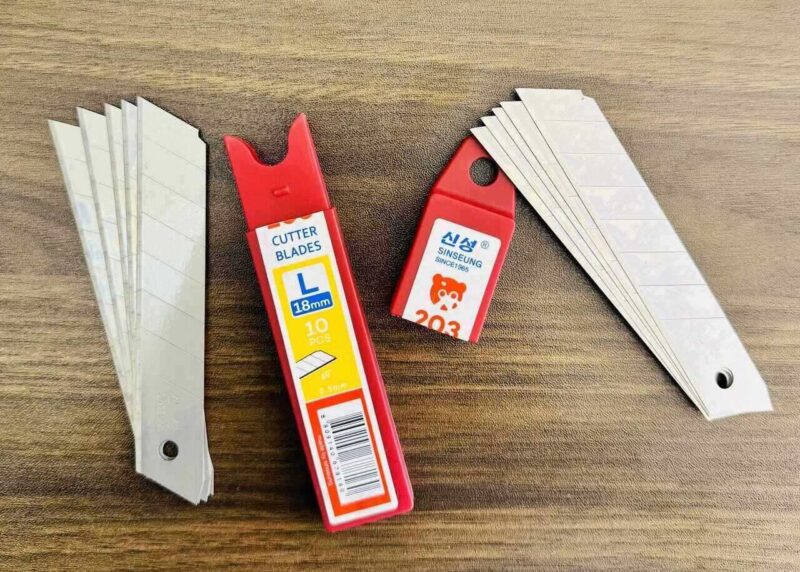
Blade width completely changes how the segmented construction actually feels. A 9mm size supports very fine, highly controlled work. On the other hand, a wider segmented option offers a much firmer working feel. This is ideal for cutting thick board, heavy cartons, and general job-site materials.
Many distributors serve a much heavier cutting demand. For them, 18mm utility knife blades can present the classic segmented advantage in a significantly stronger size. The physical structure remains segmented. Yet, the actual use case and the user expectations change completely.
A very simple shelf structure can easily prevent customer confusion. Distributors should put precision snap-off blades in one group. They should place general 18mm snap-off blades in another. Finally, they should put any solid-blade alternatives in their own separate section. Then, the product description can explain why the break point exists. It can also detail exactly how the holder supports it.
This strategy matters greatly for online search. It is equally important for physical distribution. Someone might search for break-away razor blades. They may be thinking about snap-off utility construction. They might be wondering about safe disposal. They could even be looking at the completely wrong category. Therefore, the webpage needs plain language. This text must redirect their question back to proper structure and fit.
Sinseung’s manufacturing strength becomes clearest when the discussion stays focused on that structural question. Several factors support this exact same point. These include replacement blades, utility knives, and proper heat treatment. Grinding control and strict batch inspection also matter. Ultimately, the break line should renew the edge. It must do this without making the product feel flimsy or uncertain.
This exact same logic helps sales teams answer customer questions effectively. It stops them from drifting into totally unrelated products. Suppose the buyer asks about break points. The initial answer should thoroughly cover edge renewal, physical support, and proper holder fit. The team must explain these details before discussing any broader assortment or purchasing terms.
A segmented blade should always be described as a controlled consumable item. Its true value comes directly from those repeated fresh edges. Because of this, strict quality inspection is vital. Consistent break-line formation is also crucial. These elements are a massive part of the final buying decision. They are definitely not minor background details.
Summary
Segmented blades help immensely when users need frequent edge renewal. Meanwhile, solid blades make perfect sense for different reasons. They are ideal when a continuous metal body is preferred. They also suit a different holder system. The right answer ultimately depends on applied work pressure and holder support. It also relies on exactly how often users need a fresh point.
Buyers often want a much clearer replacement assortment. To get this, they should send the blade structure question to their supplier. They need to include the intended cutting material, the specific knife size, and the daily user environment. This information allows the supplier to narrow down the range sensibly.
FAQ
Are snap-off blades weaker because they have break points?
These points are completely intentional. However, they still require correct daily use. A snap-off blade can work very reliably. The holder must support it properly. Also, the user must avoid applying excessive side pressure.
What is a box cutter blade without break points?
This phrase usually describes a solid utility blade. This type does not renew by snapping off small segments. The exact meaning really depends on the specific knife model. It also depends on the particular shape being discussed.
Do segmented blades reduce replacement cost?
Segmented blades can significantly reduce waste. This happens in tasks where only the very tip dulls quickly. The overall financial value depends on use frequency and the cut material. It also relies on whether workers snap the segments safely.
Can solid blades be used in snap-off knives?
A replacement must always match the original holder design. Buyers should never assume a solid version will fit perfectly. It might not lock safely inside a snap-off knife. They should only try this if the specific knife model explicitly allows it.
Which structure is better for wholesalers?
Wholesalers usually need both clear product grouping and detailed use guidance. Segmented blades are incredibly strong for rapid edge renewal. On the other hand, solid blades serve entirely different holder systems. They also accommodate different manual pressure habits.
-
 Can You Sharpen Box Cutter Blades? Limits and Trade-OffsExplore whether box cutter blades can be sharpened, what edge design changes, and why approved methods and verifiable results matter in professional use.2026/11/19
-
How to Cut Carpet Cleanly With Straight Utility BladesA practical guide for flooring teams and trade suppliers on clean carpet trimming, cut control, backing support, and blade replacement.2026/11/12
-
How to Check Snap-Off Blade Consistency in BulkA buyer-focused method for checking product identity, visible condition, fit information, and batch records when purchasing snap-off blades in quantity.2026/11/12