
How Bypass Pruning Shears Make Cleaner Plant Cuts
2026-09-10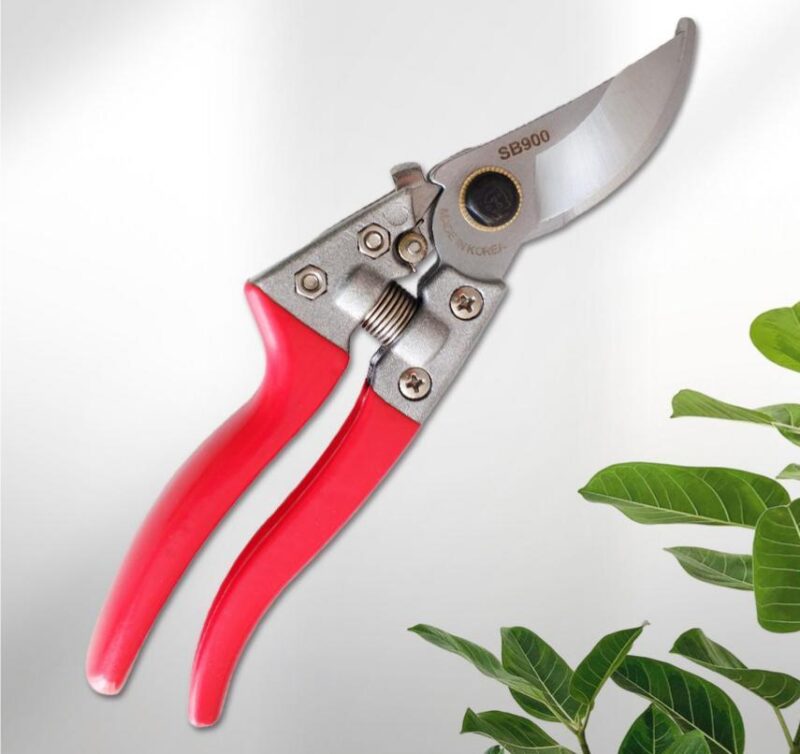
Proper pruning goes beyond basic gardening tasks. For landscape teams, orchard staff, garden centers, and equipment distributors, the standard of a pruning cut directly impacts plant healing. It also influences user fatigue, repeat sales, and product return rates. Bypass pruning shears remain widely chosen because their blades slide past each other just like scissors. This sliding motion gives workers a much cleaner cut on live stems. However, the tool must stay sharp. It must also match the branch size correctly. The main point is knowing exactly where this specific design performs best.
Bypass action is designed for live growth
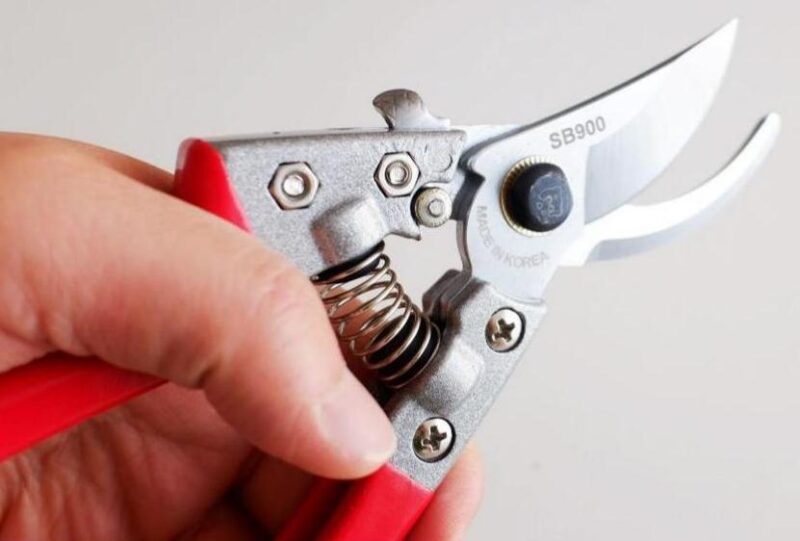
Bypass pruning shears rely on a passing blade movement. This action slices neatly through living stems. It avoids pressing them down against a flat anvil surface. In expert horticulture, bypass pruners are widely preferred for live wood. A tidy cut effectively prevents severe crushing around the delicate stem. Therefore, this design works perfectly for roses, shrubs, and small trees. It also fits well for vegetable care and fruit-harvest maintenance. In these situations, the plant’s health matters greatly after trimming.
Anvil-style tools certainly still hold value for dry or dead wood. Yet, they handle a completely different type of job. A distributor offering professional garden pruning shears should clearly separate these two distinct designs. This separation prevents buyers from blaming the tool for damage caused by an improper match. For live stems and regular garden upkeep, the bypass action remains the simpler concept to communicate.
Blade steel and hardness shape durability
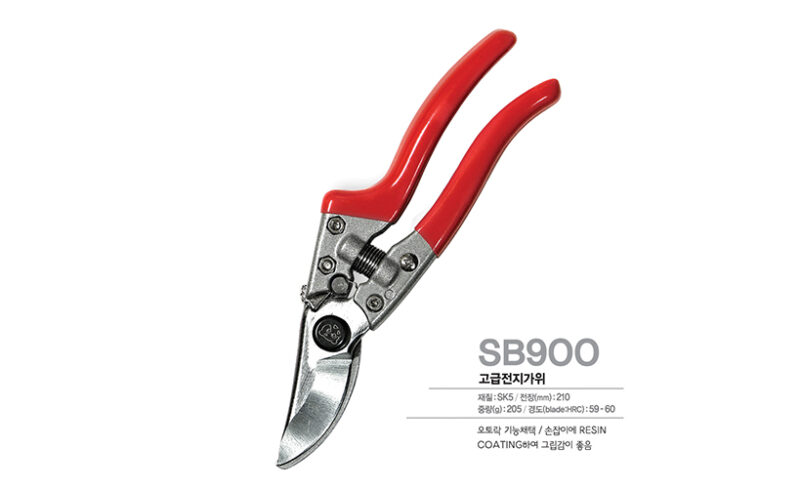
A pruning shear needs to hold its sharp edge. It must do this while cutting through moist stems and light woody growth during frequent outdoor tasks. Sinseung SB900 pruning shears feature SK5 material. They measure 210 mm in length and weigh 205 g. Furthermore, they display a stated HRC 59-60 hardness level. These specific details provide a solid, trade-focused explanation. The item is not marketed merely as a decorative home gadget. Instead, it serves as a highly functional bypass shear built for constant plant pruning duties.
SK5 supports a working edge
SK5 is a durable high-carbon steel. Manufacturers frequently choose it for cutting tools. It can retain a very sharp working edge when heat treatment and grinding processes are carefully managed. In a pruning shear, this quality proves crucial. A dull or overly soft edge forces the user to squeeze harder. This extra pressure can easily leave torn, ragged plant tissue behind. Buyers should always test physical samples on their own plant materials. Factors like sap content, stem moisture, and branch maturity will alter the perceived cutting performance.
Hardness must be balanced with use
High hardness effectively helps prevent rapid wear. However, it does not eliminate the basic requirement for proper handling and regular cleaning. The SB900 hardness rating of HRC 59-60 offers a valuable metric for comparing overall durability. Meanwhile, the operator must still avoid hitting soil, stones, metal wire, and excessively large branches. The correct interpretation is quite straightforward. The technical specification enables clean pruning, but ongoing maintenance actually preserves that capability over time.
|
Pruning situation |
Better tool logic |
Reason |
|
Live stems and green shoots |
Bypass pruning shears |
Passing blades create cleaner cuts with minimal crushing |
|
Dry dead twigs |
Anvil or heavier pruning tool |
Dead material requires greater support and cutting force |
|
Small shrubs, roses, vegetables |
210 mm hand pruning shear |
Compact control allows users to position cuts accurately |
|
Forestry or thick branches |
Lopper or pruning saw |
Hand shears must never be forced beyond capacity |
Ergonomics affect cut consistency
A clean cut relies on the user’s hand just as much as the steel blade. If the handle shape forces the wrist into an uncomfortable angle, the worker might twist the tool during the motion. This twisting can severely damage the delicate stem. The Sinseung garden shears category features the SB900 model. It provides ergonomic grips and a balanced 205 g net weight. This specific weight gives the tool sufficient presence for precise, controlled pruning. It prevents standard garden chores from feeling like a heavy, tiring burden.
For professional landscaping crews, good ergonomics directly reduce physical fatigue throughout a long workday. A tool that opens easily, closes reliably, and rests securely in the palm helps sustain high cut quality over many hours. For retail shops, this aspect is highly worth highlighting right next to the blade material facts. Customers frequently notice handle comfort long before they fully comprehend various steel grades.
Use cases that fit SB900 positioning
*Pruning plants, roses, shrubs, and small trees where live growth requires a much cleaner finish.
*Vegetable gardening and fruit harvesting duties where compact hand control proves highly important.
*Landscape maintenance kits that demand a reliable bypass shear for frequent, everyday trimming tasks.
*Garden retail assortments that demonstrate overall quality through material, hardness, length, and weight data.
Maintenance keeps the cut clean
Pruning shears quickly lose their cutting performance when sticky sap, dirt, and plant debris accumulate around the blade and pivot joint. Users must wipe the blade thoroughly after wet tasks. They should keep the pivot mechanism moving smoothly. The shear must be stored in a closed position. Furthermore, operators must stop using the tool whenever excessive force becomes necessary. Hand-tool safety also relies on maintaining a secure grip. It requires checking the cut direction and keeping fingers safely away from the active cutting path.
Distributors can utilize these care guidelines to reduce customer complaints significantly. Product web pages, retail shelf cards, or sales brochures should state clearly that neat cuts demand both a proper bypass tool and consistent routine maintenance. This advice proves especially valuable for seasonal shoppers. They might use shears intensely for a brief time and then store them away without any cleaning.
Product evidence helps buyers avoid vague claims
Garden-supply purchasers encounter many pruning shears advertised merely as strong, sharp, and highly comfortable. Because of this, specific factual evidence holds great importance. Within Sinseung cutting tool products, the SB900 provides several concrete, usable facts. It features SK5 material, a 210 mm total length, and a 205 g net weight. It also shows HRC 59-60 hardness. Its listed applications include pruning plants, weeding, forestry management, harvesting fruits, mowing, and vegetable gardening. These precise details allow a vendor to explain exactly where the tool belongs. They prevent the seller from making unsupported, overly broad promises.
The most secure commercial messaging remains practical and strictly bounded. Sellers should present the SB900 as a dependable bypass pruning shear. It suits routine garden, nursery, and landscape maintenance duties perfectly. It excels particularly where clean cuts on live plant growth are essential. Sellers must avoid implying that a standard hand shear is the correct choice for thick heavy limbs, metal wire, or tough non-plant objects.
Conclusão
Bypass pruning shears truly earn their spot when the customer requires neater cuts on live growth. They offer reliable hand control alongside a clear, simple maintenance routine. The SB900 reinforces that specific position with its SK5 material and HRC 59-60 hardness. It also brings ergonomic grips and a 210 mm length to the table. It handles practical applications across pruning, harvesting, and vegetable gardening. For commercial trade buyers, the next logical step involves matching the shear to actual live-plant tasks. They should test sample cuts on regional plant material. Finally, they must clarify care instructions well before the busy selling season begins.
FAQ
What are bypass pruning shears best for?
Bypass pruning shears are excellent for live stems, green shoots, roses, shrubs, and small trees. They also suit general garden maintenance tasks where a neater cut significantly helps minimize crushing around delicate plant tissue.
Are garden shears and pruning shears the same?
These terms frequently overlap in daily online searches. However, pruning shears generally refer to one-hand tools designed for stems and small branches. Meanwhile, garden shears can also encompass much broader, two-handed trimming tools.
Why is SK5 steel used in pruning shears?
SK5 steel is utilized because it effectively supports a sharp, lasting cutting edge. This happens when the heat treatment and grinding stages are strictly controlled. It proves highly beneficial for repetitive pruning as long as the tool is properly maintained.
How often should pruning shears be cleaned?
Pruning shears must be wiped clean after any wet or sap-heavy work. They should also be cleaned thoroughly prior to long-term storage. Intense professional usage might demand quick cleaning during the actual workday. This keeps the blade and pivot joint moving without friction.
Can bypass pruning shears cut thick branches?
Bypass pruning shears are absolutely not the correct tool for thick branches that exceed their standard hand capacity. Loppers or specialized pruning saws represent much better options. They are necessary when the branch diameter or wood hardness demands significantly more leverage.
-
 Are Box Cutter Blades Universal?Explain box cutter blade compatibility by width, holder channel, lock design, refill format, and model matching for trade buyers.2026/10/01
 -
How to Safely Snap Off a Utility Knife BladeLearn how to snap off a box cutter blade with controlled extension, safe break direction, secure containment, and practical S103 workstation checks.2026/09/24
-
30 vs 45 Degree Cutter Blades for PrecisionLearn how 30 and 45 degree cutter blade tips affect precision, durability, PPF trimming, and wholesale blade selection.2026/09/24