
How Often Should You Replace a Heavy-Duty Box Cutter Blade
2026-08-06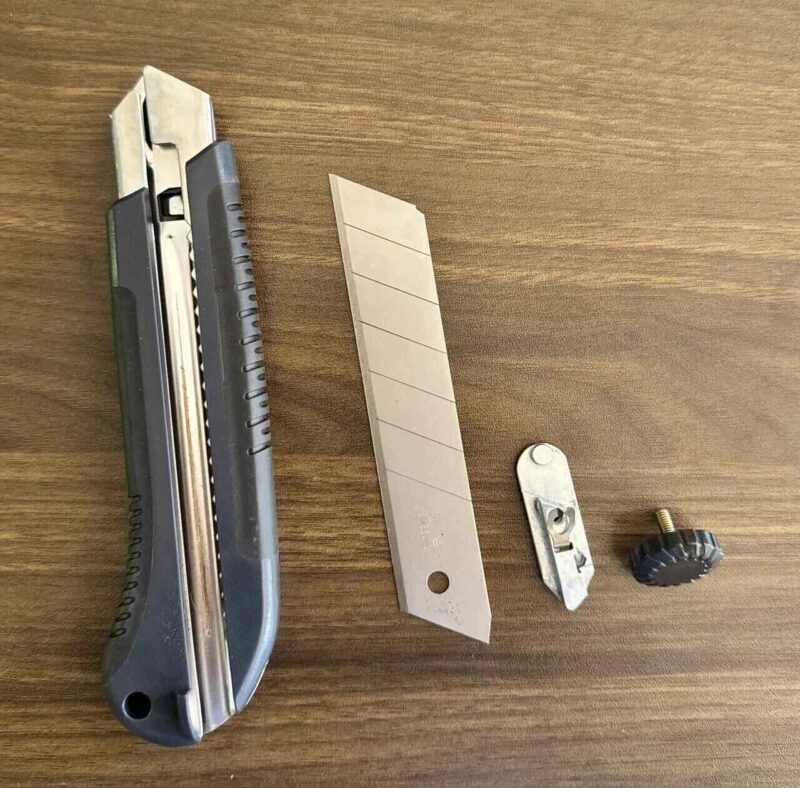
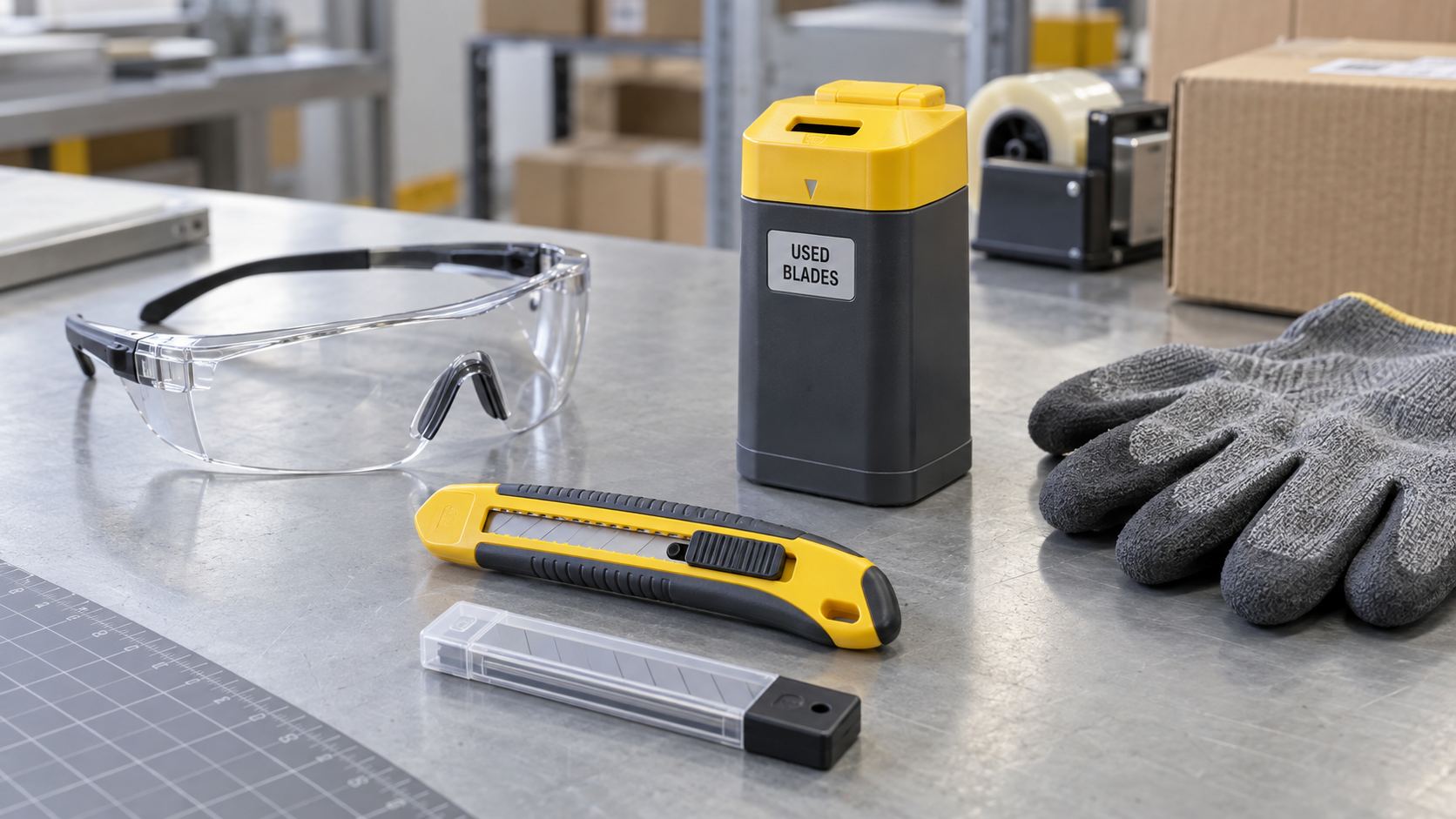
A heavy-duty box cutter blade should be replaced when it requires noticeably more force, produces torn or uneven cuts, develops chips or bends, or no longer moves securely in the holder. In high-volume packaging operations, inspect the blade at the beginning of every shift and establish a replacement threshold based on cartons opened or total cutting distance rather than relying only on calendar time.
Why Heavy-Duty Cardboard Cutting Requires Regular Blade Replacement
Cardboard cutting environments create continuous stress on cutting tools. Packaging materials are not always simple single-layer paper products. Many industrial cartons use multiple corrugated layers, reinforced structures, thick adhesive tapes, or dense paper combinations that increase friction during cutting.
For businesses handling cardboard heavy-duty applications, blade performance directly impacts daily workflow. A sharp blade allows operators to complete carton opening, trimming, and packaging preparation tasks with less force. However, when the cutting edge becomes dull, workers often need repeated passes, increasing labor time and creating uneven cuts.
Common industries that require frequent blade replacement include:
|
Application |
Cutting Conditions |
Recommended Blade Considerations |
|
E-commerce fulfillment |
High carton opening volume |
Stable sharpness and quick replacement |
|
Warehousing |
Continuous packaging handling |
Durable utility cutter blade solutions |
|
Manufacturing plants |
Thick corrugated materials |
Heavy-duty cutting performance |
|
Packaging suppliers |
Repetitive cutting operations |
Consistent quality and supply availability |
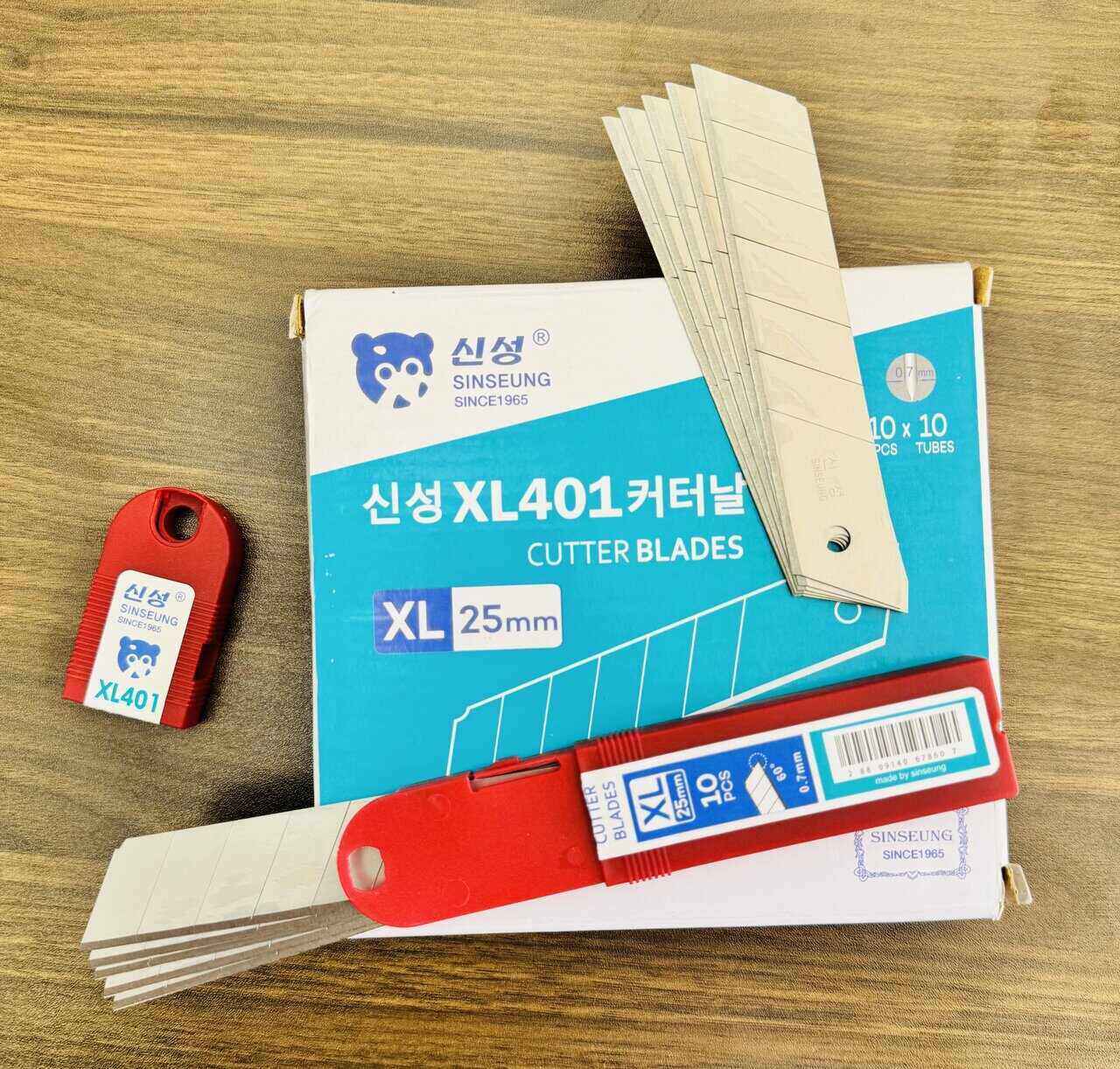
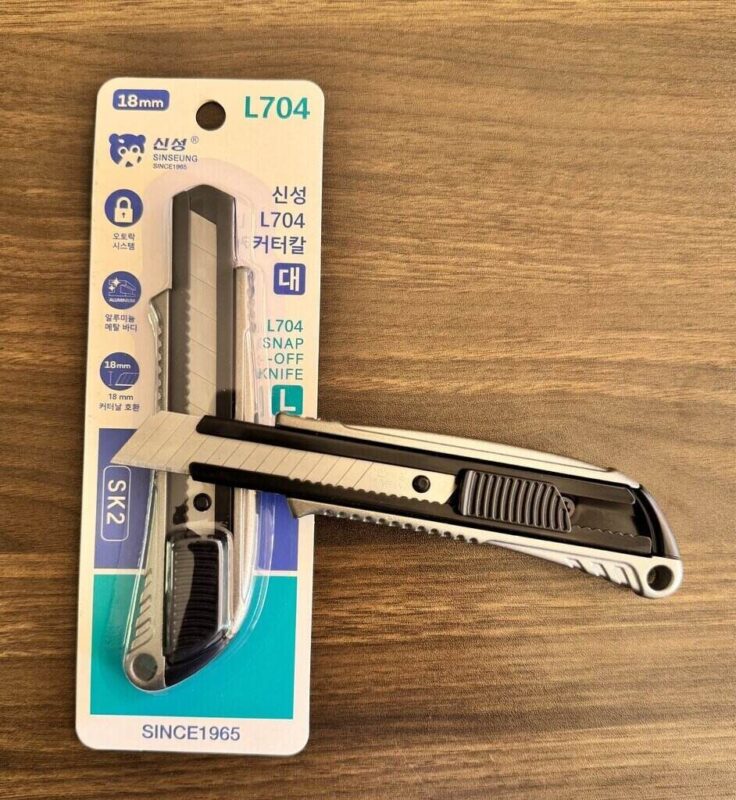
Sinseung has supplied cutter blades and utility knives for industries including stationery, construction materials, hardware, automotive detailing, and other professional applications. Our core products include replacement blades designed for different cutting requirements.
What Factors Determine Box Cutter Blade Replacement Frequency?
Blade replacement should not rely only on time intervals. Industrial users should evaluate several operating conditions because different materials and workloads create different levels of wear.
Cardboard Thickness and Material Structure
The thickness and density of cartons are among the most important factors affecting blade lifespan. A blade used for lightweight packaging may maintain performance longer than one used for double-wall or multi-layer corrugated boxes.
For example, a distribution center processing thin retail cartons may replace blades less frequently than a factory opening reinforced export cartons every day. Selecting the correct box cutter blades based on material requirements helps maintain stable cutting efficiency.
Cutting Volume and Working Distance
Daily cutting quantity also determines replacement needs. A warehouse processing thousands of packages per week generates significantly more blade wear than a small packaging station.
Businesses should monitor:
|
Evaluation Factor |
Impact on Blade Life |
|
Number of cartons opened daily |
Higher volume increases edge wear |
|
Total cutting distance |
Longer cutting paths reduce sharpness faster |
|
Material thickness |
Dense materials require stronger blades |
|
Tape and adhesive exposure |
Residue can reduce cutting efficiency |
Establishing a planned replacement schedule helps companies avoid unexpected production interruptions.
Tape, Glue, and Surface Contamination
Packaging operations often involve plastic tape, labels, and adhesive materials. These substances can stick to the cutting edge and reduce blade performance.
A professional cutter knife blade should maintain reliable cutting ability even under demanding packaging conditions. Regular inspection and timely replacement prevent operators from applying excessive force, which may damage both the tool and the material.
How to Complete a Safe and Efficient Blade Replacement Workflow
A standardized replacement process improves both productivity and workplace safety.
Inspect the Existing Blade Condition
Before replacing a blade, operators should check whether performance problems come from blade wear or other tool issues. Common signs include:
- Increased resistance during cutting
- Uneven carton opening lines
- Visible edge damage
- Reduced cutting accuracy
Checking blade compatibility is also important. A replacement blade should match the cutter model, size requirements, and intended application.
Select the Correct Replacement Blade Type
Different packaging tasks require different blade structures. Standard utility blades work well for general carton opening, while heavier applications require stronger cutting solutions.
The selection process should consider:
|
Type de lame |
Suitable Applications |
|
Standard utility blade |
General packaging and warehouse work |
|
Heavy-duty blade |
Thick corrugated cartons and industrial packaging |
|
Snap-off blade |
Frequent replacement environments requiring fresh edges |
|
Specialized cutter blade |
Professional applications with specific materials |
Sinseung provides multiple blade specifications, including 9mm, 18mm, and 25mm snap-off blades as well as utility cutter knives for different professional applications.
Replace the Blade Following Proper Safety Procedures
A correct replacement workflow includes:
- Securing the cutter before removing the old blade
- Handling the blade edge carefully
- Installing the replacement blade in the correct position
- Testing the cutter before returning it to operation
For companies using a heavy duty box cutter across multiple working stations, consistent replacement procedures reduce operational risks and maintain cutting quality.
How to Choose Good Quality Cutter Knives for Industrial Use
Choosing good quality cutter knives requires more than comparing purchase prices. For B2B buyers, blade durability, manufacturing consistency, and supplier reliability are equally important.
Blade Material and Manufacturing Control
The quality of steel directly influences cutting performance. Stable raw materials help improve edge retention, durability, and resistance to deformation.
At Sinseung, we use high-quality steel materials and maintain strict production controls to ensure blade consistency. Our manufacturing process combines automated equipment with skilled craftsmanship, supported by continuous worker training and quality management procedures.
Heat Treatment and Grinding Technology
Professional cutting tools require precise processing technology. Heat treatment improves blade strength, while accurate grinding creates a reliable cutting edge.
Sinseung has developed independent heat treatment and grinding technologies based on more than 60 years of experience in metal cutting and forging. These capabilities allow us to provide stable blade performance for professional users.
Supply Stability for Global Buyers
For distributors, wholesalers, and industrial purchasing teams, product availability is an important part of supplier selection.
A reliable supplier should provide:
- Consistent product quality
- Flexible order support
- Suitable packaging solutions
- Responsive technical communication
Sinseung supports customers with pre-sales assistance, packaging options, and after-sales service to help buyers develop their markets and manage purchasing requirements.
Why Professional Users Choose Sinseung Cutter Blade Solutions
Sinseung has focused on cutter blades, utility knives, and related cutting products since 1965. Our products are supplied to global markets, including Europe, Japan, Southeast Asia, and other regions.
Quality inspection runs through our entire production process. Quality engineers check each batch of blades. Defective batches stay under control so product consistency remains high.
For businesses that source replacement blades for packaging, hardware, or industrial applications, the right supplier helps keep long-term operational efficiency.
If you need help choosing the right blade specification, send your application details or product requirements to our team through Sinseung official website. We can give suitable product suggestions, quotation support, and solutions based on your cutting needs.
FAQ (questions fréquentes)
How often should a heavy-duty box cutter blade be replaced?
Replacement frequency depends on cutting volume, cardboard thickness, adhesive exposure, and working conditions. High-volume packaging operations usually need more frequent checks and replacement than occasional users.
What is the difference between a utility cutter blade and a heavy-duty cutter blade?
A utility cutter blade is usually designed for general cutting tasks. Heavy-duty blades are built for thicker materials and more demanding industrial settings where stronger cutting performance is needed.
What information should buyers provide when requesting a cutter blade quotation?
Buyers should supply blade size, application material, required quantity, packaging requirements, and expected usage conditions. These details help suppliers suggest suitable products and prepare exact quotations.
How can businesses ensure consistent quality when purchasing replacement blades?
Working with an experienced manufacturer, reviewing production standards, and confirming quality inspection procedures are important steps. Sinseung applies strict quality control across production to ensure reliable blade performance.
-
 Are Box Cutter Blades Universal?Explain box cutter blade compatibility by width, holder channel, lock design, refill format, and model matching for trade buyers.2026/10/01
 -
How to Safely Snap Off a Utility Knife BladeLearn how to snap off a box cutter blade with controlled extension, safe break direction, secure containment, and practical S103 workstation checks.2026/09/24
-
30 vs 45 Degree Cutter Blades for PrecisionLearn how 30 and 45 degree cutter blade tips affect precision, durability, PPF trimming, and wholesale blade selection.2026/09/24