
How to Dispose of Box Cutter Blades in the Workplace
2026-11-05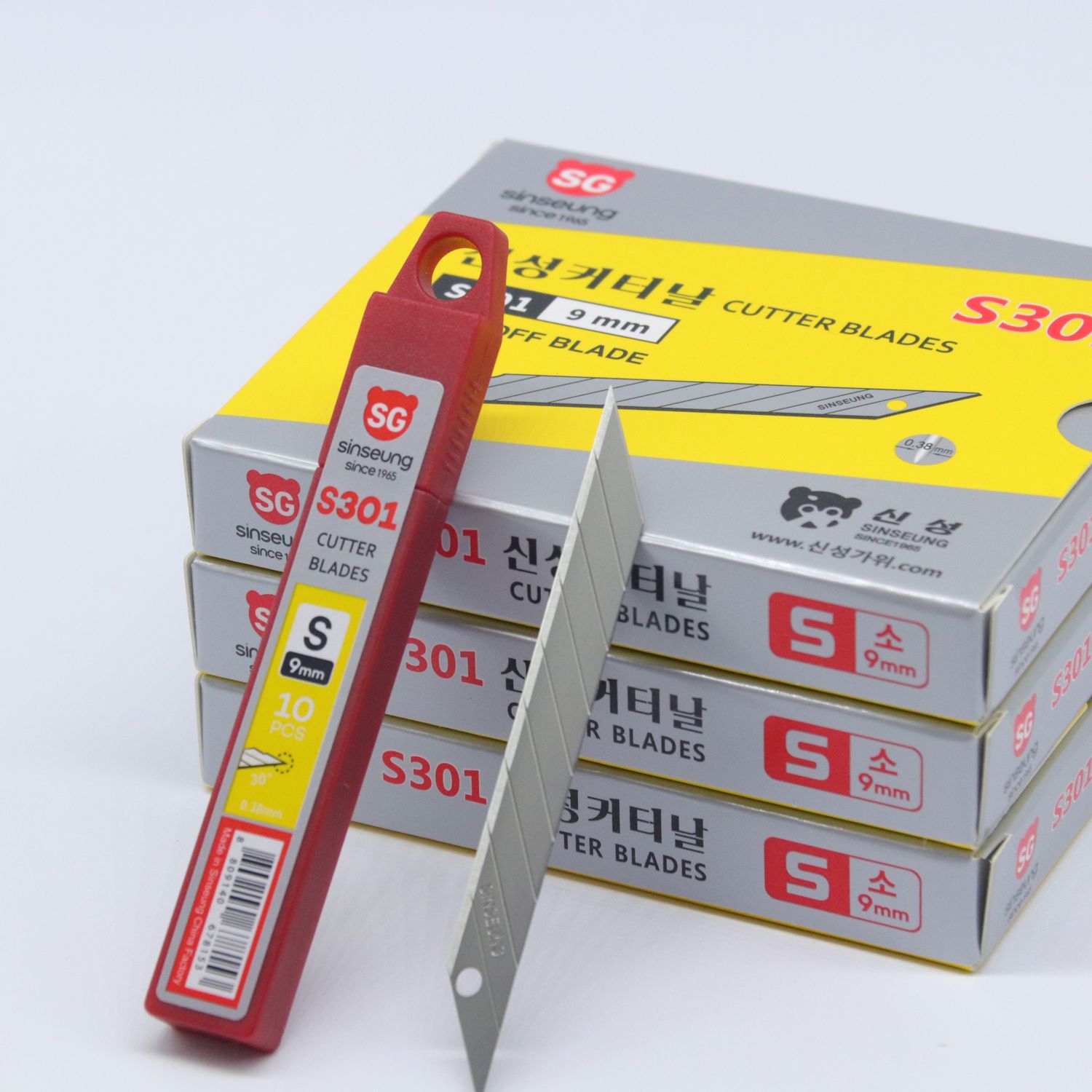
A blade has finished its cutting job long before it has finished being sharp. The person lifting the waste later has a different job and may never have seen the packing bench. Plan disposal with that person in mind. In a workshop or warehouse, the blade needs an accepted container, somebody to oversee it, and a destination agreed with the waste service.
The Disposal Route Has Three Separate Owners
An owner is needed for each part of disposal. The operator depositing a blade may have no role in booking a collection; the cleaner may have no authority to close the container. Write down who does have those jobs. Then ask the people named whether they understand the arrangement, including cover during an absence.
Container orders should follow a conversation with the receiving service. Describe used industrial cutter blades, including residues from the work, and ask which container and presentation it accepts. Get an answer for your actual waste. Advice about household recycling or a medical-waste service doesn’t necessarily answer the workshop’s question.
A short station notice can explain how to dispose of box cutter blades without sending staff through a long manual. Give the container location, its fill limit, and the contact for an exchange. Put closure and onward collection in the responsible person’s procedure. Include the missed-collection contact there too; that is when the arrangement is most likely to need attention.
Containment Begins Where the Blade Is Used
Container Construction and Closure
Container selection belongs with the receiving service. A purpose-designed blade container is one option; another container needs specific acceptance for this waste. Look for puncture resistance and secure containment through the handling involved. Assess it through the whole journey, including closure and movement. Looking at an empty vessel sitting upright on a bench is only the beginning of that assessment.
The opening and closure need attention before the first blade arrives. Read the maker’s filling instructions and check that staff can follow the deposit process without reaching inside. Decide where the spare will be kept. Reaching the fill limit should trigger an exchange, with the contents left alone throughout.
Position at the Workstation
Give the collection point a definite location. A designated mount, installed as instructed, is easier to identify than ‘somewhere on the packing bench.’ Keep the waste location separate from unopened blade packs. Staff arriving on the next shift should be able to recognize both without picking up loose items to find out what they are.
Review the location during an ordinary working period. Does a stack of cartons hide it? Has somebody moved the spare to make room for paperwork? Ask the operator to point out the container and explain the process. What looked convenient on an empty bench may need changing once the station is busy.
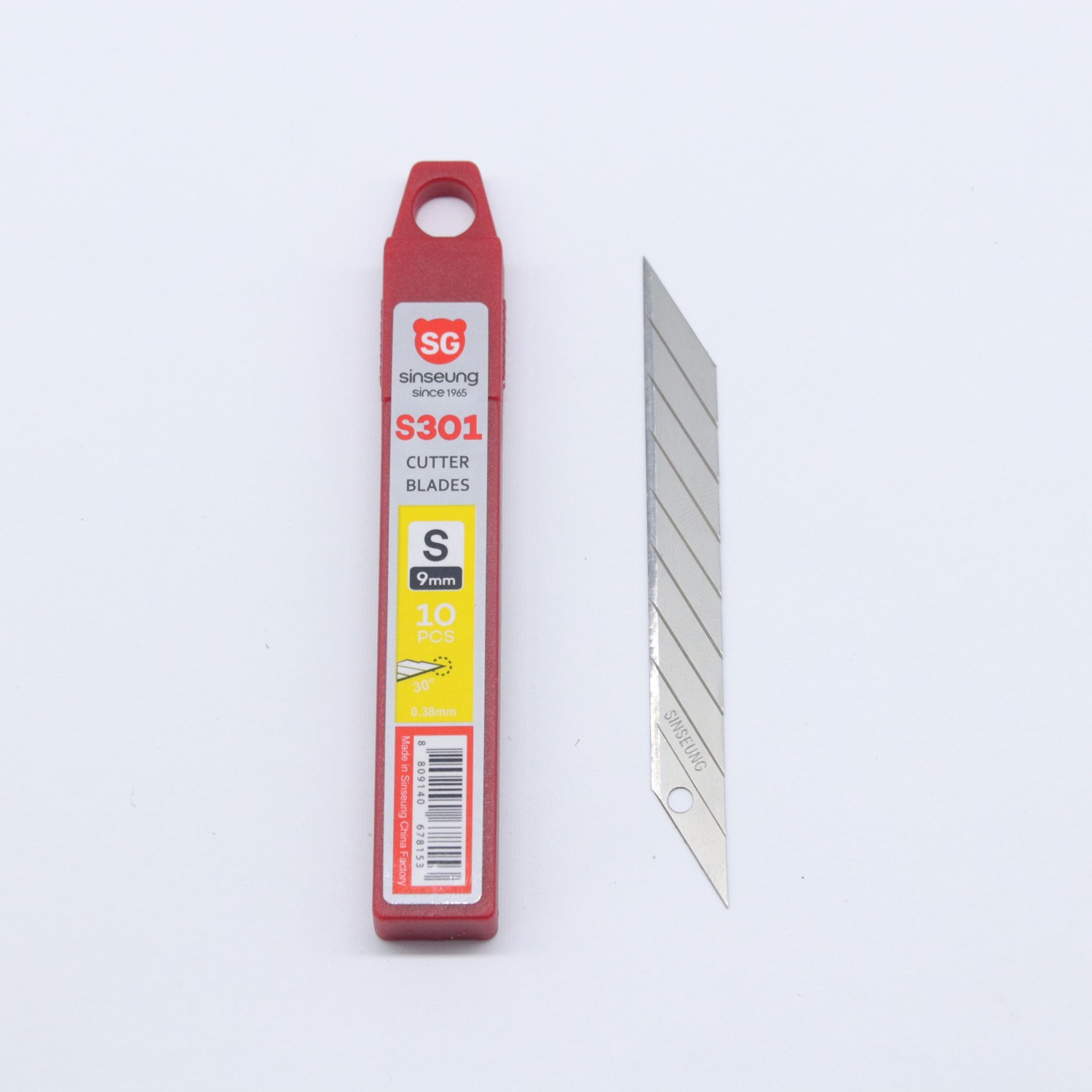
Blade Formats Affect Collection Planning
The collection stream needs a plain description. It may include whole blades and shorter pieces already produced through an approved tool process. Plan for what will actually enter the container, while keeping removal and segment-breaking techniques under their separate tool instructions. The disposal plan begins with containment; it does not authorize those earlier operations.
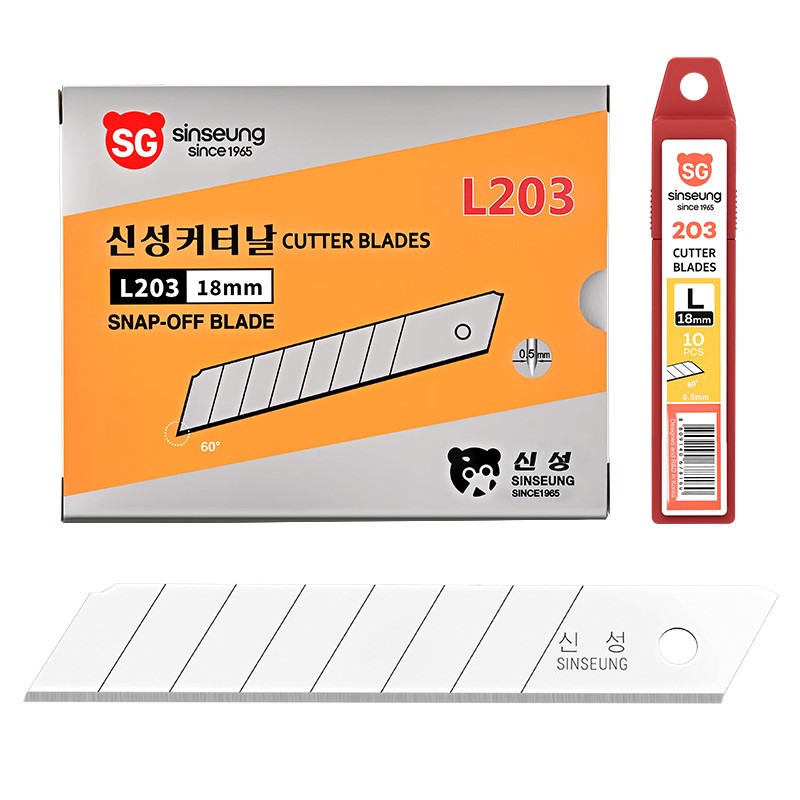
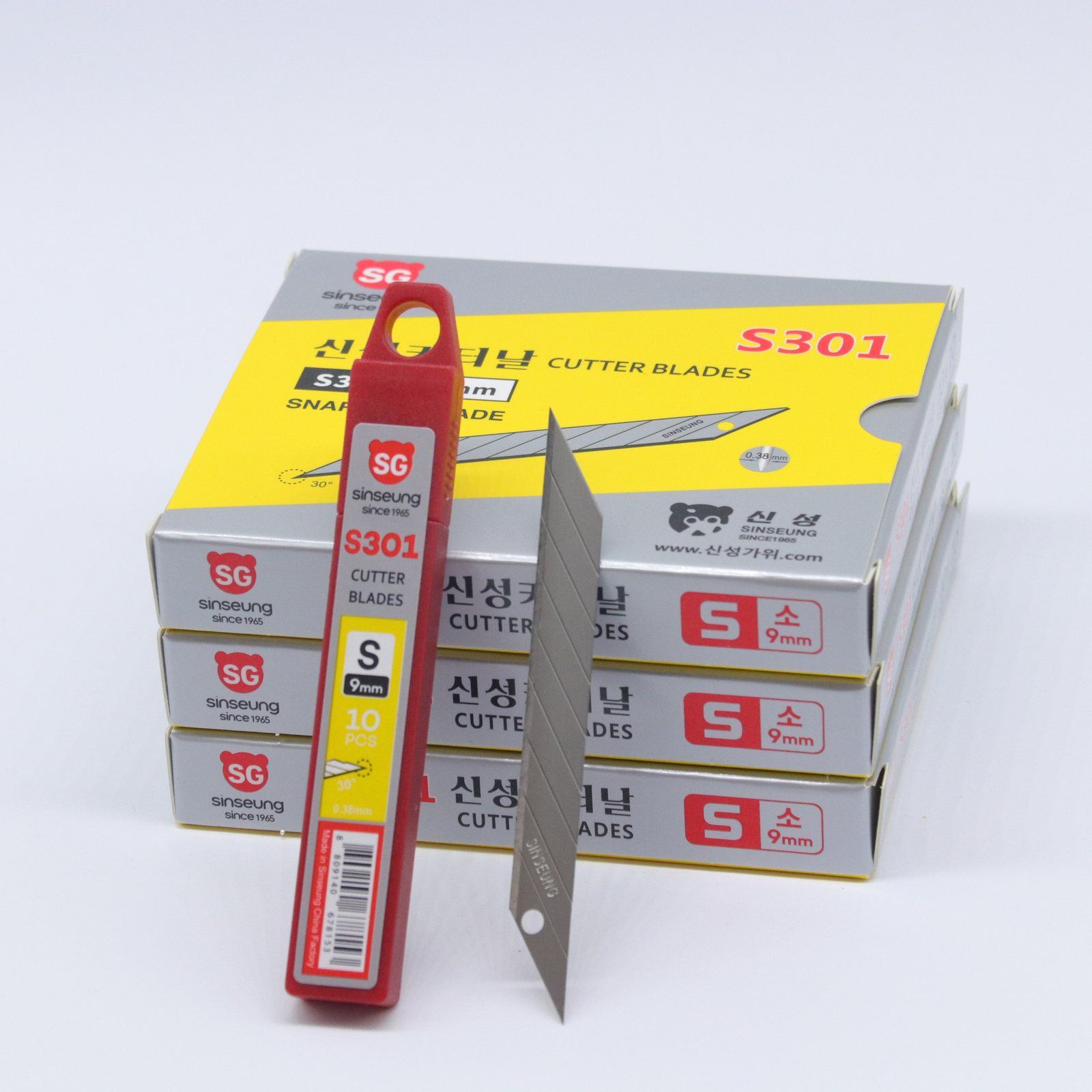
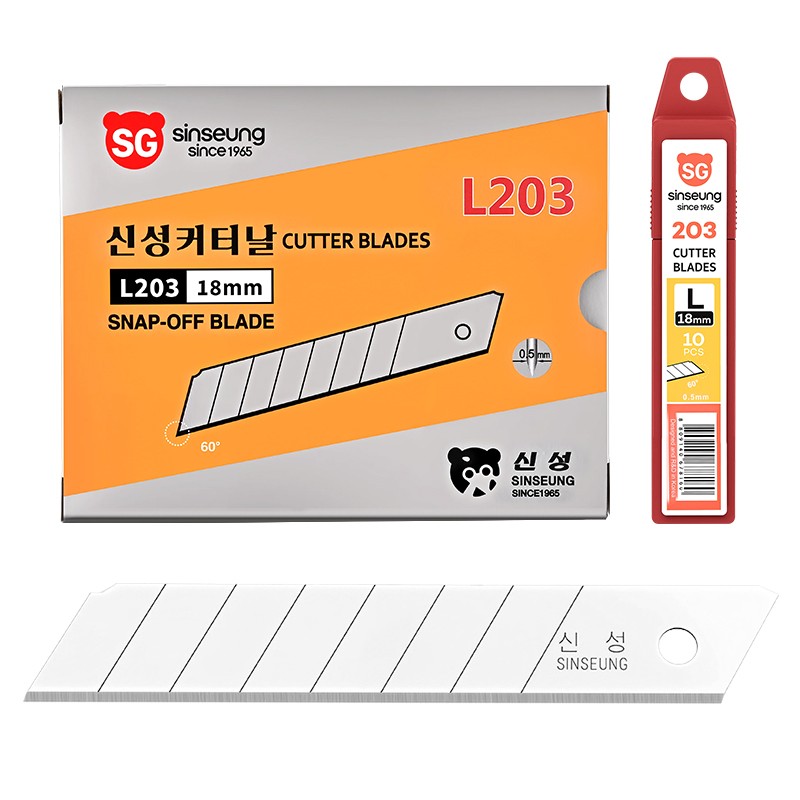
Product identity helps staff describe the waste without guessing. Sinseung offers S301 9mm snap-off blades and L203 18mm snap-off blades. Understanding box cutter blade disposal for 9mm snap-off formats helps define the material collected. It leaves the accepted local route to be agreed with the waste service, which needs the waste description rather than an assumption based on size.
|
Stage |
Named Responsibility |
Detail to Settle |
|---|---|---|
|
Deposit |
Trained tool user |
Intended container and opening |
|
Oversight |
Collection-point owner |
Position, condition, and fill level |
|
Closure |
Authorized staff member |
Container closure instructions |
|
Storage |
Site waste coordinator |
Identified, secure holding location |
|
Collection |
Site contact and waste service |
Accepted waste and presentation |
Small workshops may put several duties with one person. Larger sites may divide them between departments or shifts. The table does not require five job titles; it requires a name against each responsibility. The useful test is whether staff can tell who will act when the container needs attention.
Full Containers Need a Planned Handover
A full container needs an ordinary, repeatable exchange. Put the closure instructions and the replacement within the responsible person’s arrangement. The exchange leaves the contents untouched: no rearranging, reaching in, or pressing down. A damaged container is a different matter: stop normal handling and call the person responsible for the site’s incident procedure. Hand recovery of loose contents is no shortcut to getting the station running again.
Waste labels have a different reader from stock labels. Someone handling the closed container may recognize neither S301 nor L203. When planning box cutter safety considerations across utility blade formats, use the waste description and label agreed for collection. Keep model details if useful, but do not make a waste handler decode the catalogue to understand what the container holds.
Give closed containers their own holding place. Mark it in the collection arrangement and protect it from damage and casual access. A space beside dispatch parcels can create confusion even with good labels, so keep the waste out of that flow. The person covering an absent colleague should be able to find the holding place without searching through outgoing goods.
A change in the work can mean a change in the waste. For example, a new substance on the material being cut is something to discuss with the waste specialist. Describe what is present and get acceptance confirmed again. Do not assume that a container accepted for clean blades also settles the handling of every residue that might later arrive in it.
A handover check can stay short:
Fill and closure match the container instructions.
The waste is identified for the agreed site route.
The receiving service accepts the waste and container.
A usable replacement is at the collection point.
Keep records that the next responsible colleague can use, alongside locally required documentation. Ask the waste service what the collection needs. For the site’s own handover, make the last collection and the next action easy to find. A record buried in an absent colleague’s inbox is little help to the person arranging today’s exchange.
Common Shortcuts Break the Chain
Wrapping is no substitute for the accepted collection container. Paper or tape may cover an edge initially, but the next handler needs containment through storage and collection as well. Keep loose blades out of general waste bags under this plan. Hiding an edge inside other rubbish merely makes it harder for the next person to recognize.
A scrap collection offer needs a further question when the waste has cutting edges. Does that service accept used blades, and how must they be presented? Questions about how to dispose of box cutter blades in 18mm formats still lead to the same check: will the receiving organization accept this waste in this container? Width cannot answer that question.
A missing container calls for the site’s interruption procedure. Pause, contact the responsible person, and keep the situation supervised as instructed while a replacement is arranged. Don’t improvise a loose ‘temporary’ pile. The next shift would inherit both the blades and a disposal problem it did not create.
A Controlled Route Beyond the Cutting Bench
Box cutter blade disposal is ready when the next handler has been considered at every handover. Agree the container and destination with the waste service, assign the on-site jobs, and provide for exchanges and absences. The resulting route should still work on the day the usual contact is away.
For help identifying a Sinseung blade in your waste description, contact us with the model. Confirm container acceptance and the disposal destination with your local waste service.
FAQ (questions fréquentes)
Can Used Blades Go Into an Ordinary Waste Bag?
Keep them in the designated, accepted blade container under this collection plan. An ordinary bag leaves a hidden edge for somebody handling the waste later.
Are Industrial Blades Always Medical Sharps Waste?
The receiving service needs a description of your industrial blades and any residues. Let it confirm the applicable route. A sharp edge on its own is insufficient reason to select a medical-waste service.
Can a Full Blade Container Be Compressed?
Leave the contents untouched. Follow the container’s closure procedure; if it cannot close properly, call the person responsible for the waste arrangement. Compression is not an exchange step.
Is Metal Recycling Always an Available Option?
Acceptance must be confirmed. Steel content alone does not mean that a receiving service accepts loose blades or the container proposed for them.
Who Should Arrange Collection?
Assign a named workplace role. That person coordinates the closed container, storage, collection, and replacement so those jobs do not fall between shifts.
-
 Can You Sharpen Box Cutter Blades? Limits and Trade-OffsExplore whether box cutter blades can be sharpened, what edge design changes, and why approved methods and verifiable results matter in professional use.2026/11/19
-
How to Cut Carpet Cleanly With Straight Utility BladesA practical guide for flooring teams and trade suppliers on clean carpet trimming, cut control, backing support, and blade replacement.2026/11/12
-
How to Check Snap-Off Blade Consistency in BulkA buyer-focused method for checking product identity, visible condition, fit information, and batch records when purchasing snap-off blades in quantity.2026/11/12