
Warehouse Box Cutter Blade Control Guide
2026-10-23Warehouse blade control functions nicely as a compact operating system. You inspect the tool. You issue the proper refill. You log the change. Then, you pull broken cutters out of rotation. This approach leads to safer daily tasks. It also makes inventory planning much more reliable.
For a knife for warehouse work, the refill description must be as clear as the tool description. A box cutter refill should be tied to the correct width and carrier, and the question “why do you need to inspect the blade of a box cutter?” should have a short answer in every shift briefing: inspection protects control before force increases.
A warehouse needs a blade control system, not just a box of refills
Warehouse cutting issues seldom stem from a single faulty blade. Instead, they show up when checks are irregular. They also happen when replacement inventory is jumbled. Broken tools might remain in use. Sometimes, different work groups adopt varying replacement habits. A basic management system makes the blade status a clear, actionable detail.
The system should answer four practical questions: Is the cutter safe to use now? Is the correct refill available? Who changed or removed the blade? What should happen when the tool or refill fails inspection?
The inspection routine that fits a busy shift
Before use
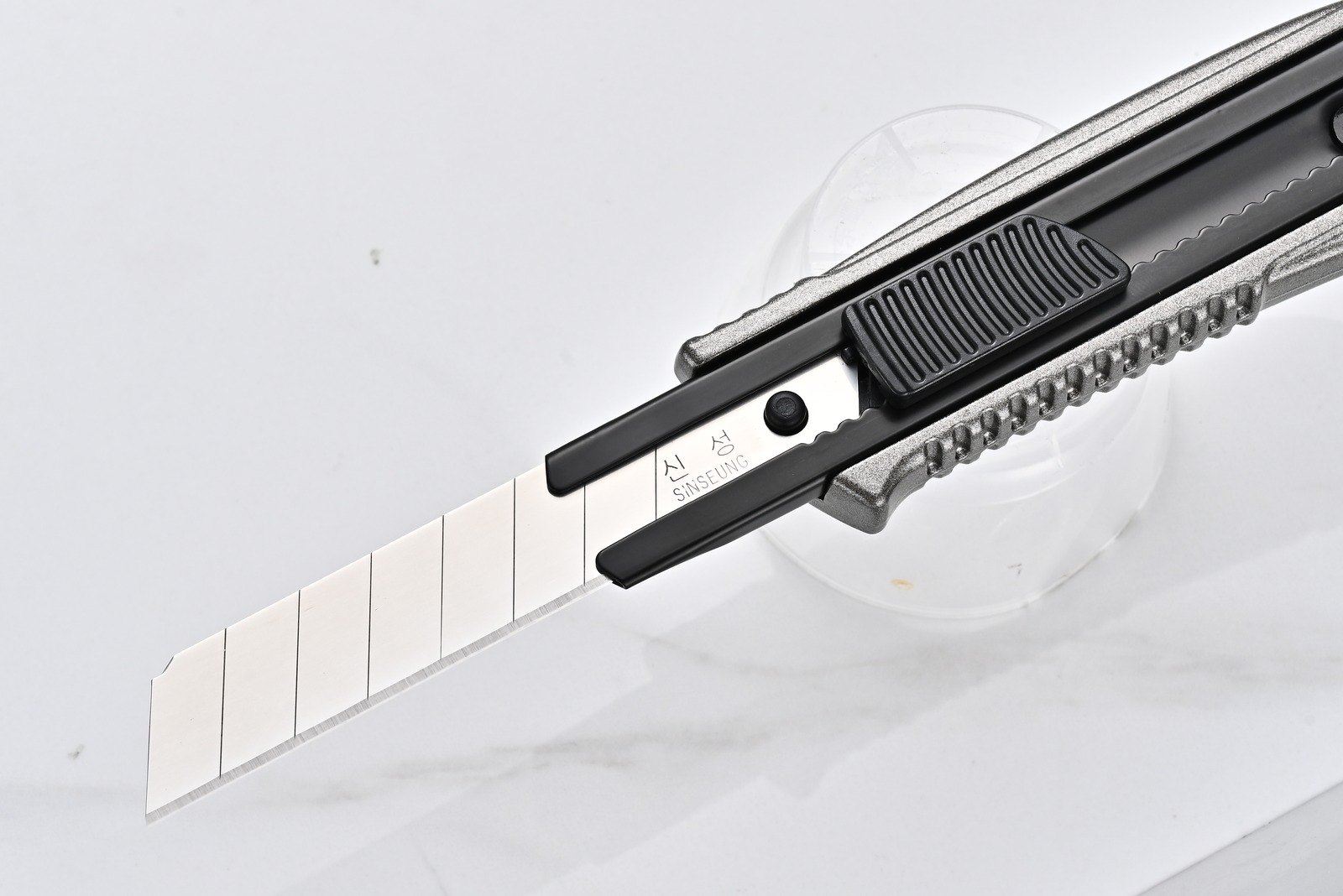
Before use, the operator should check the housing, slider, lock, and exposed edge. The blade should extend only as far as the task requires, and the lock should hold the selected position. A short check is more realistic than a long form that workers skip.
During repeated cutting
During repeated work, a change in cut resistance, edge quality, or blade movement is a reason to pause and inspect. Continuing to push a dull or damaged blade can increase force, reduce control, and damage packaging or product surfaces.
At shift handover
At handover, the outgoing team should identify tools that need a refill, cleaning, or removal from service. The incoming team then starts with a known condition instead of discovering the problem during a time-sensitive order.
|
Control point |
Minimum record |
Owner |
Action when failed |
|---|---|---|---|
|
Tool condition |
Model and visible fault |
Operator or lead |
Tag and remove if control is affected |
|
Blade condition |
Edge quality and exposed length |
Operator |
Replace or retract safely |
|
Refill stock |
Format and available quantity |
Stockroom |
Replenish matching format |
|
Change event |
Date, shift, reason |
Team lead |
Review recurring failures |
|
Handover |
Open issue and tool location |
Shift lead |
Confirm next-shift action |
Refill stock should follow the tool format
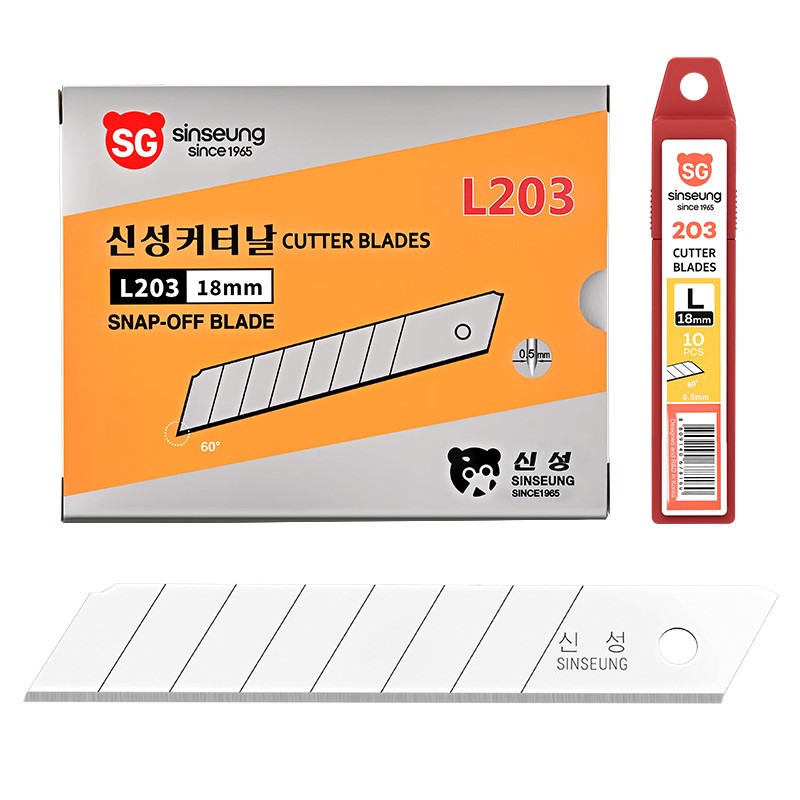
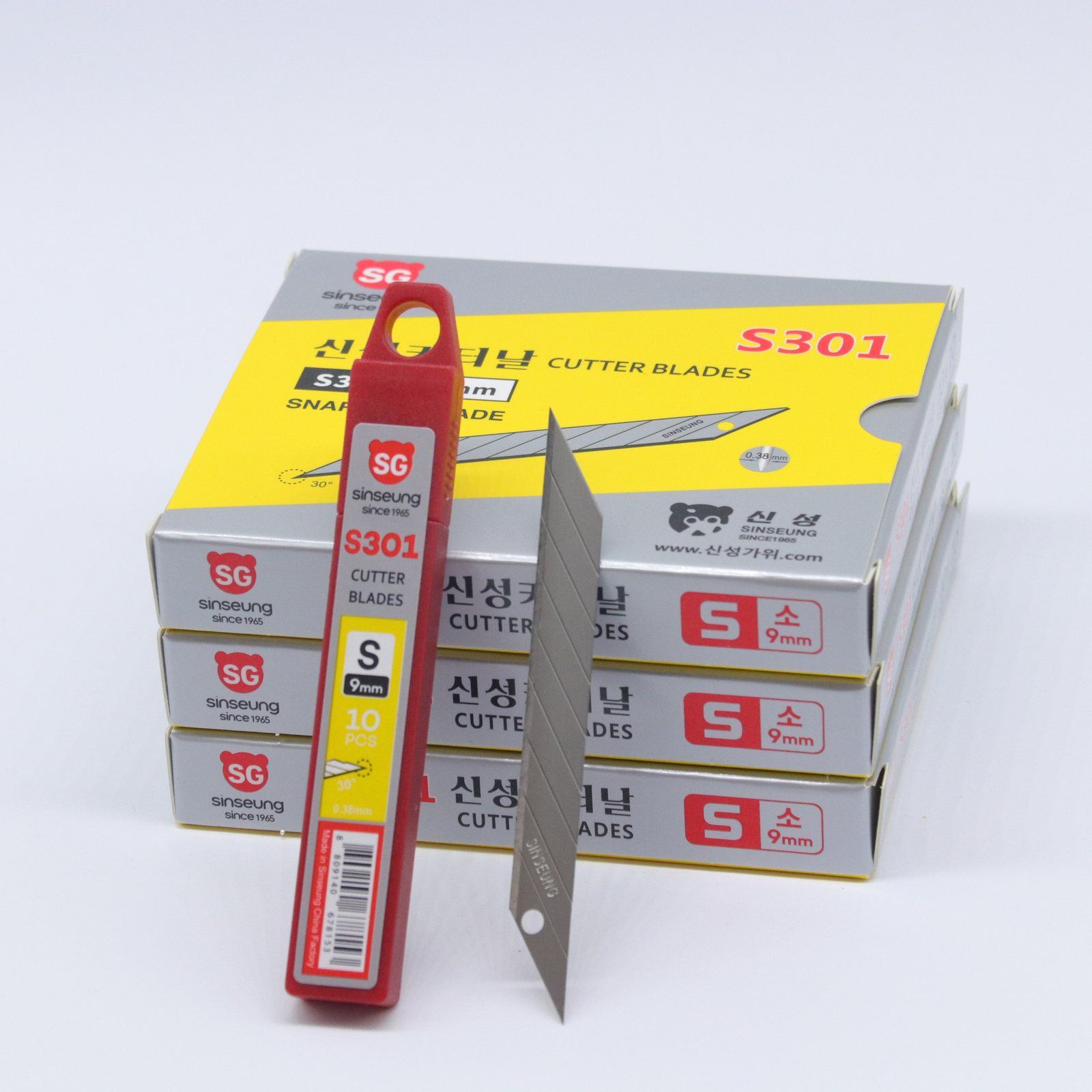
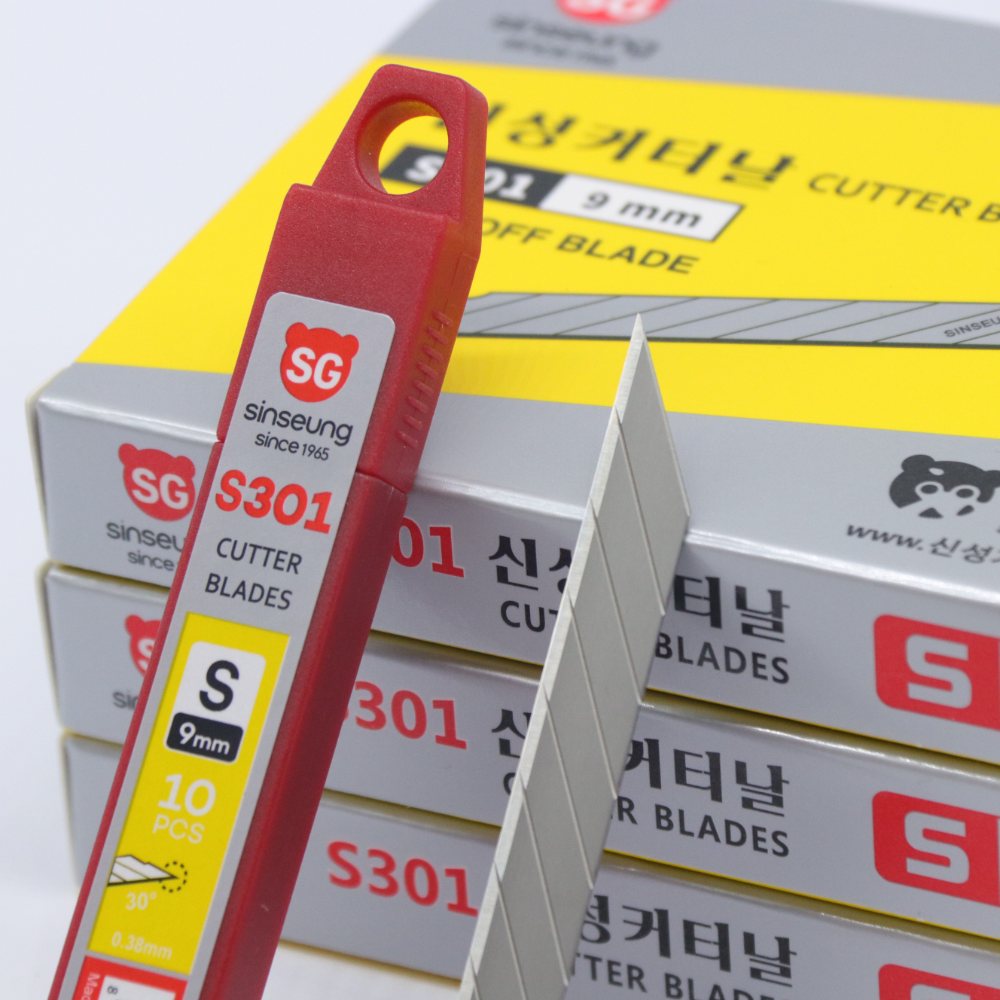
Refill stock is easier to control when it is organized by cutter format instead of one general “blade” category. A 9mm workstream and an 18mm workstream should have separate locations, labels, reorder points, and compatible tool references.
For warehouse work that mainly involves packaging and lighter materials, the S506 and its matching 9mm refill path can be managed as one defined group. Wider material handling can be separated around the L705 format. The purpose is not to create more paperwork. It is to make the wrong refill harder to pick.
A stock record should also distinguish unopened usable stock from damaged, returned, or quarantined stock. Mixing those quantities makes the warehouse look supplied while the usable balance is lower than the number on the shelf.
Change records reveal repeat problems
A change record is useful when it captures the reason, not just the date. “Dull edge,” “wrong format,” “slider fault,” and “lost segment” point to different corrective actions. Repeated dull-edge entries may indicate material mismatch, while repeated wrong-format entries may indicate poor shelf labeling.
Model or cutter format
Reason for change
Shift or work area
Quantity removed and quantity issued
Whether the tool was returned to service or quarantined
The record does not need to become a full maintenance log. Its value comes from making patterns visible to the warehouse lead and buyer before the same issue becomes a recurring complaint.
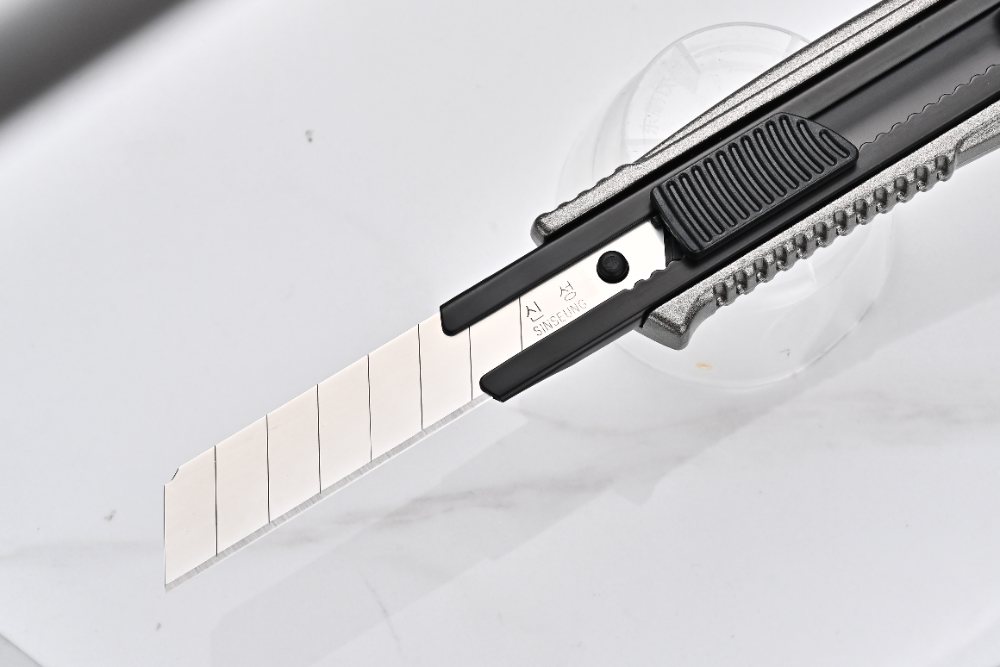
How a supplier range supports control
A focused supplier range helps the warehouse standardize the language used by operators, stockroom staff, and purchasing. Sinseung’s 9mm and 18mm cutter families make it possible to keep tool format, refill format, and application notes aligned in the same catalog structure.
Quality control also matters because repeated warehouse use depends on consistent product behavior. Sinseung combines automated equipment, manual workmanship, raw-material requirements, and batch inspection as part of its production controls. Buyers should still define their own incoming checks and usage criteria for the site.
For a format-specific comparison, see why do you need to inspect the blade of a box cutter before use provides a relevant comparison point for this article.
A second useful reference for range planning is knife for warehouse work with 18mm cutters provides a relevant comparison point for this article.
The product family is easiest to control when the refill description is tied to the intended cutter: box cutter refill planning by format provides a relevant comparison point for this article.
The warehouse-control takeaway
Solid blade management acts as a neat operating system. You examine the device. You hand out the correct replacement. You write down the swap reason. Then, you pull broken cutters from use. This routine guards worker safety. It also provides buying teams with solid data for inventory planning.
The most useful next step is to map every cutter in the warehouse to one refill format and one change record. Once that map exists, the stockroom can replenish the right product instead of reacting to vague requests for “more blades.”
If you are setting up a warehouse blade register or refill policy, contact us.
Preguntas frecuentes
Why inspect a box cutter blade before use?
Inspection confirms that the edge, exposure, lock, slider, and housing are still controllable before work begins.
How should warehouse refills be stored?
Store them by compatible format and label them with the cutter family so a wrong refill is less likely to be picked.
What should a blade change record include?
Record the tool format, reason for change, work area or shift, quantity, and whether the tool returned to service.
When should a cutter be quarantined?
Quarantine it when the lock, housing, carrier, or slider affects blade control, even if the blade itself is still sharp.
Should 9mm and 18mm stock share one reorder point?
Usually no. Different formats serve different tools and material needs, so separate reorder logic reduces substitution errors.
Anterior : segmented-vs-solid-utility-blades
-
 Can You Sharpen Box Cutter Blades? Limits and Trade-OffsExplore whether box cutter blades can be sharpened, what edge design changes, and why approved methods and verifiable results matter in professional use.2026/11/19
-
How to Cut Carpet Cleanly With Straight Utility BladesA practical guide for flooring teams and trade suppliers on clean carpet trimming, cut control, backing support, and blade replacement.2026/11/12
-
How to Check Snap-Off Blade Consistency in BulkA buyer-focused method for checking product identity, visible condition, fit information, and batch records when purchasing snap-off blades in quantity.2026/11/12