
How to Evaluate Cutter Blade Quality Beyond Sharpness
2026-10-15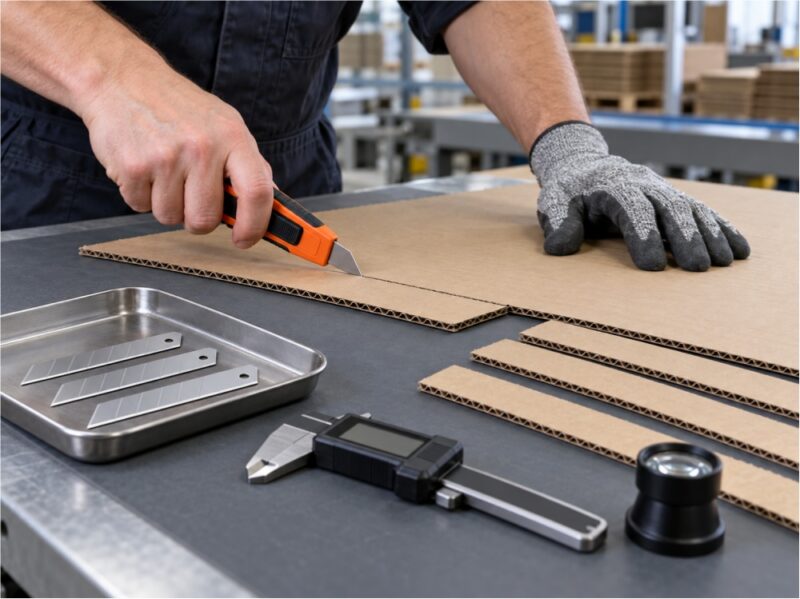
Initial sharpness is quite simple to spot. However, it represents just one aspect of cutter blade quality. Professional buyers require steady performance. They also look for proper fit, long edge life, and smooth replacement control. Furthermore, they need proof that identical results happen across different packs and batches.
A sharpest cutter claim must be verified. You should check it against blade material, fit, and edge life. You must also review the utility knife blade thickness mm manufacturer specification. These details cannot replace an actual sample test. Yet, they provide purchasing teams with a solid starting point. This is much better than relying on just one big claim.
Six quality signals a buyer can actually check
Edge consistency
Edge consistency means the blade works in a predictable manner from one piece to another. A sample that does a great job just once is never enough. You should test several pieces. During this test, look for a similar starting feel. You should also watch the cut path and overall edge behavior across the entire pack.
Fit and geometry
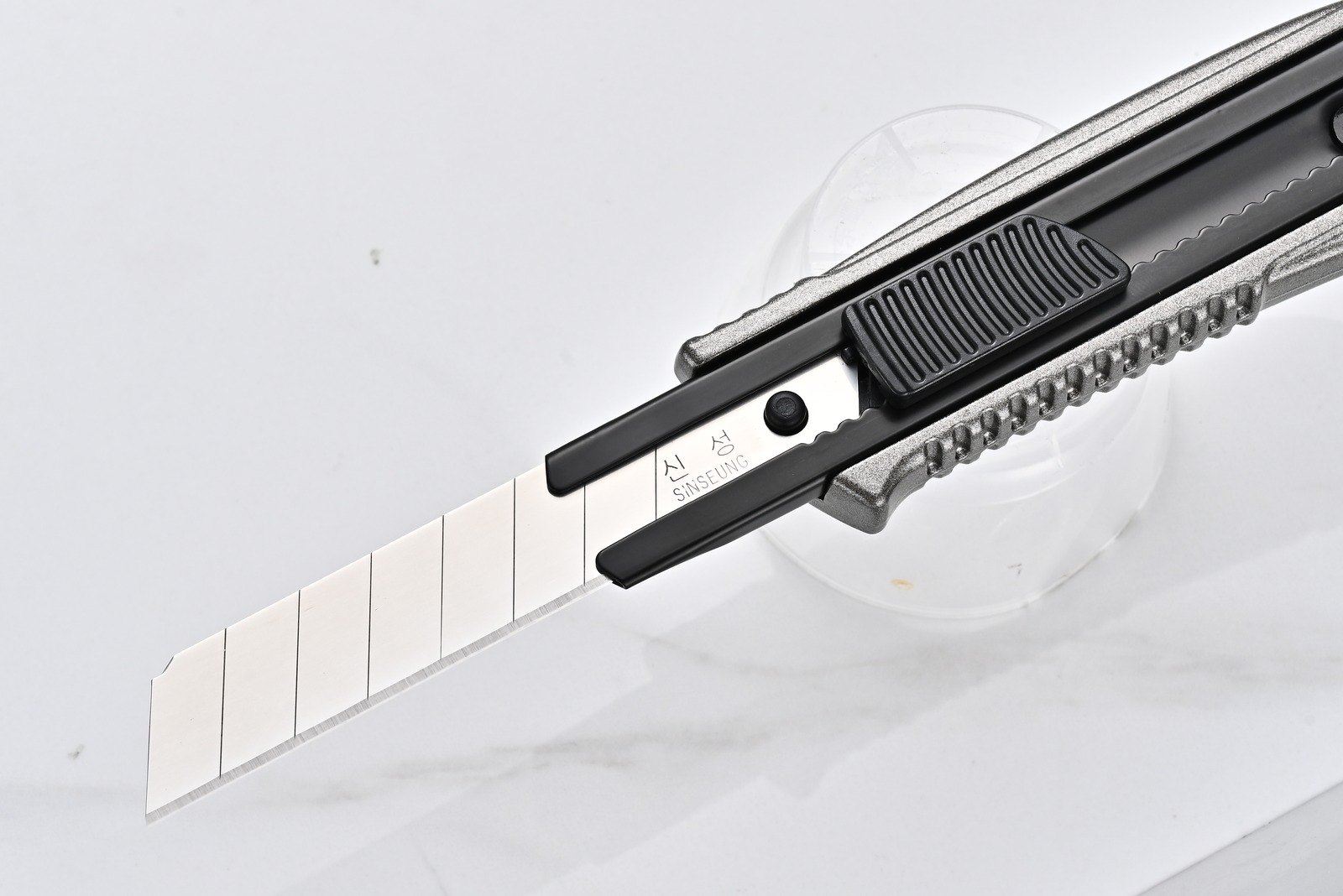
A solid blade must fit its intended carrier perfectly. It needs to lock in place without too much wiggle room or rubbing. The width, overall thickness, and segment spacing matter greatly. Mounting geometry also affects user control. A technically sharp blade remains a bad product if it sits at an angle. It is also useless if it slides around inside the tool.
Edge life in the target material
You must judge edge life based on the exact material the customer actually cuts. Cardboard, plastic film, and layered sheets create distinct challenges. Abrasive materials put heavy demands on the edge as well. You should compare identical tasks. Be sure to record exactly when extra force is needed. Note when tearing or blade wandering starts to happen.
Break or replacement behavior
For a segmented product, the snap line must allow safe and controlled edge renewal. For a full replacement blade, the swapping process needs to be straightforward. The new piece must stay completely stable inside the holder. True quality covers the entire replacement event. It goes far beyond just that initial cut.
|
Quality question |
Useful check |
What a strong result looks like |
|
Is the edge consistent? |
Test several pieces from a pack |
Similar starting cut and edge behavior |
|
Does the refill fit? |
Load into the intended cutter |
Stable movement and secure locking |
|
Does it last in the task? |
Run the same material and cut pattern |
Predictable edge decline, not sudden failure |
|
Is replacement controlled? |
Use the intended change method |
Fresh edge without loose or unstable parts |
|
Is supply repeatable? |
Compare batches or reorders |
Same product identity and agreed checks |
Material claims need application context
The core substance is clearly important. However, a simple material label alone fails to prove actual performance. The buyer must link the blade material to the specific cutting task. They should also connect it to the expected edge life and grinding quality. Finally, they must consider the overall consistency expected from the finished product.
Sinseung highlights stable steel selection as a key strength. Sinseung also points to heat-treatment expertise and modern grinding technology. These elements form a big part of their manufacturing capability. Such details are quite helpful when building a test plan. Yet, they must never replace a real-world fit and application check. You must always use the actual cutter and the target material.
Because of this, the best sample request is highly specific. You should state the cutter format and the target material. Mention the exact cut pattern and the desired replacement schedule. Also, describe the specific quality issue that needs fixing. This gives the supplier a very clear foundation. They can then recommend the most suitable blade family for your needs.
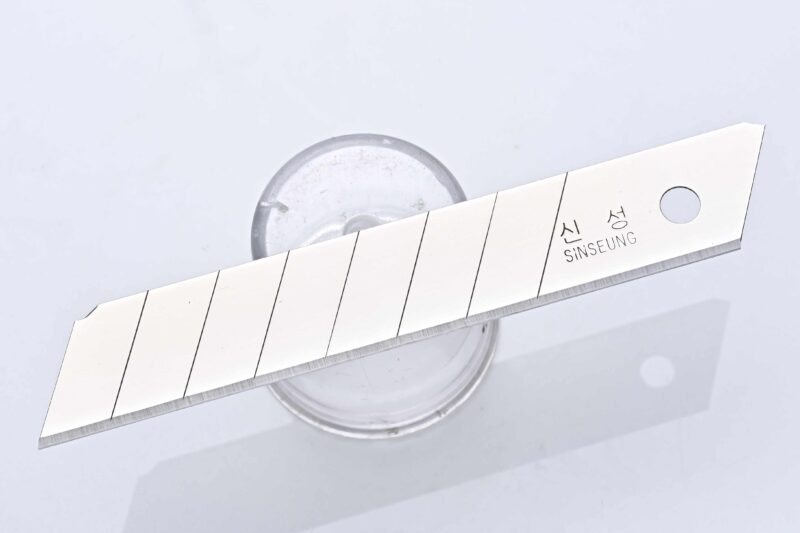
A sample test that separates marketing from evidence
A strictly controlled sample test must compare similar items fairly. You need to use the exact same cutter and material. The operator method and the exposed blade length must stay identical for every product. Make sure to record the starting cut and any extra drag. Note down visible edge damage and overall cut quality. Finally, mark the exact moment when a worker would normally swap out the blade.
- Test more than one blade from each sample pack.
- Keep the cutter format and exposed length constant.
- Record material type and number of cuts or work cycles.
- Check the blade after use for chipping, bending, or uneven wear.
- Repeat the test with a later batch before making a broad quality claim.
This careful approach gives the purchasing team a solid comparison. It avoids the trap of thinking one simple adjective can summarize true quality. Furthermore, it builds a highly useful record for customer service teams. This data helps immensely if a buyer ever reports that a blade is failing on the job.
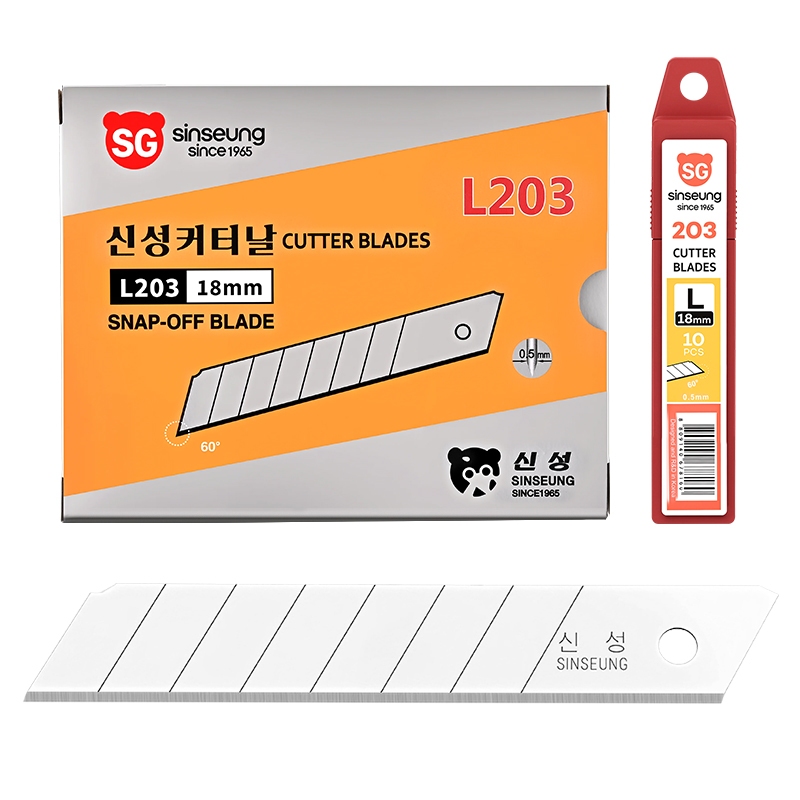
How quality control should appear in a supplier review
A proper supplier review needs to ask important questions. You should ask how raw materials are managed. Find out how the factory checks production consistency. Ask how they isolate sudden defects. Also, learn how customer feedback actually leads to real improvements. Sinseung uses batch inspection handled by quality engineers. They also have a process to discard adjacent batches if they find defects. This clearly shows a highly structured approach to maintaining consistency.
The buyer must still set clear acceptance rules for the purchased goods. A strong supplier process is definitely valuable. Even so, the final choice must link that factory process directly to the customer’s specific cutter. It must also match the daily application and future reorder expectations.
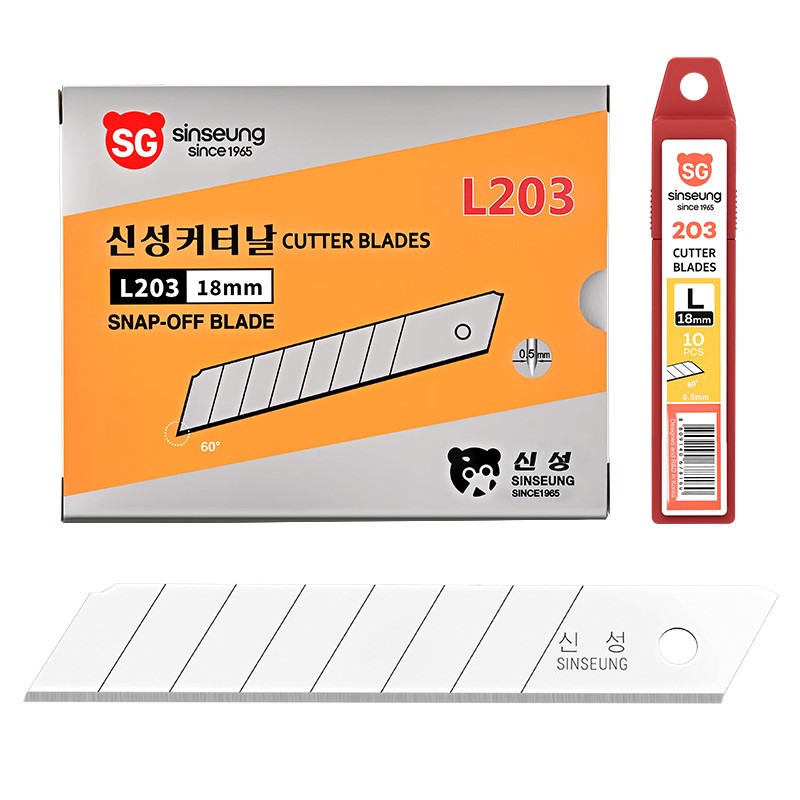
For a format-specific comparison, viewing the utility knife blade thickness mm manufacturer specification for 18mm work provides a highly relevant comparison point for this article.
Another helpful reference for range planning involves sharpest cutter claims and sample tests. This link offers a very useful comparison point for this discussion.
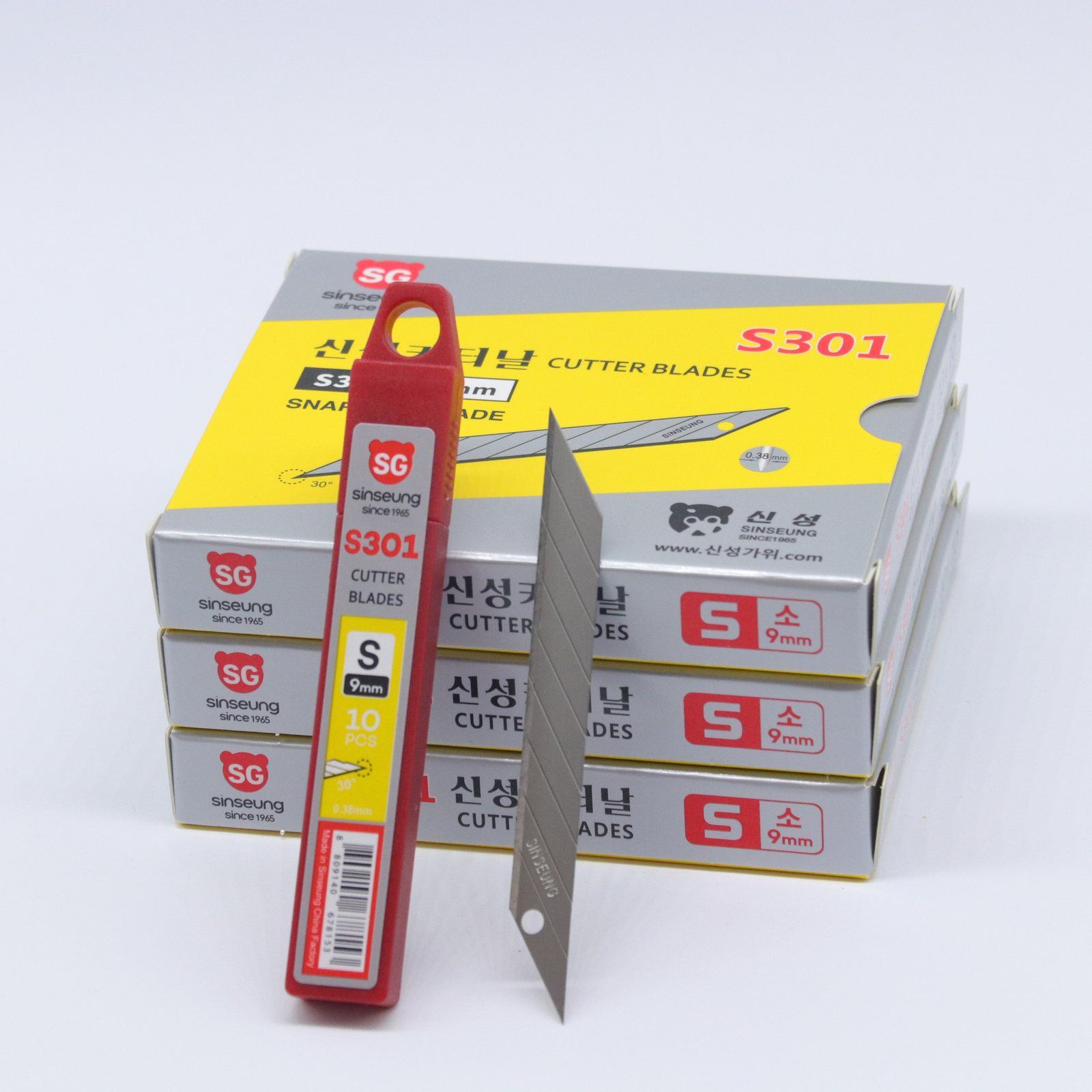
The product family becomes much easier to manage when the refill description matches the intended tool. Looking at blade material checks for 9mm snap-off blades provides a solid comparison point for this topic.
The quality-evaluation takeaway
A premium cutter blade is sharp enough for the specific job. It remains perfectly stable inside the correct tool. The item stays highly consistent across different pieces. It is also durable enough for the target material. Finally, it acts predictably during the replacement phase. Buyers who test these specific signals can compare suppliers using hard evidence. They no longer have to rely on marketing slogans.
You should use the product family and format as your main starting point. After that, you must confirm the results through a carefully controlled sample test. This creates a much stronger foundation for a major wholesale decision. It is far safer than simply picking the item labeled as the sharpest.
If you require a practical sample checklist for a 9mm or 18mm blade range, please contact Sinseung today.
Preguntas frecuentes
Is the sharpest blade always the best blade?
No, it is not. Proper fit, high consistency, and long edge life matter greatly. Replacement control and the final application result are also just as important as the initial sharpness.
How many sample blades should be tested?
You should test several pieces from every single sample pack. This ensures your final decision reflects true consistency. It prevents you from judging based on one unusually good or bad item.
Does blade material prove quality?
The blade material is just one single factor. You must consider it alongside heat treatment and grinding methods. Geometry, proper fit, and daily performance in the target material are also vital.
What should a buyer record during testing?
You need to record the cutter format and the exact material. Write down the cut method and the starting feel. You should also note edge decline, visible damage, and the exact replacement point.
Why test a later batch?
Testing a later batch helps you confirm the facts. It proves that the observed performance is actually repeatable. It shows the good results are not limited to just one lucky sample run.
-
 Can You Sharpen Box Cutter Blades? Limits and Trade-OffsExplore whether box cutter blades can be sharpened, what edge design changes, and why approved methods and verifiable results matter in professional use.2026/11/19
-
How to Cut Carpet Cleanly With Straight Utility BladesA practical guide for flooring teams and trade suppliers on clean carpet trimming, cut control, backing support, and blade replacement.2026/11/12
-
How to Check Snap-Off Blade Consistency in BulkA buyer-focused method for checking product identity, visible condition, fit information, and batch records when purchasing snap-off blades in quantity.2026/11/12