
The Ultimate Guide: How to Safely Snap and Replace Utility Knife Blades
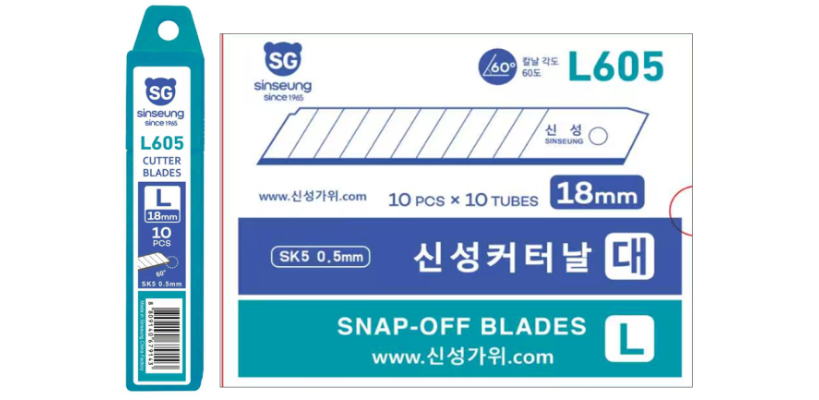
2026-03-12Keeping a keen edge matters most for safety and smooth work with cutting gear. As a top maker since 1965, Sinseung has honed the skill of the snap-off blade. This way, workers always get a keen tip ready. This guide looks closely at blade care basics. It covers the right way to how to break cutter blade parts. It also explains the tech build of the best cutter blade.

Understanding the Anatomy of a Snap-Off Utility Knife
Before you learn how to cut cutter blade parts, grasp the tool’s setup. A basic snap-off utility knife is built for long use and ease. Fixed blades in old styles need honing or full swap. Snap-off blades have set score marks instead. Users can take off a worn part. Then a new keen edge shows right away.
Essential Box Cutter Parts
To handle the tool without risk, know these main box cutter parts:
- The Handle/Body: Often built from tough plastic or stainless steel, it offers a comfy hold.
- The Slider: This part lets you push out and pull back the blade.
- The Blade Channel: A steel path that keeps the blade steady in tough cuts.
- The Blade: High-carbon steel pieces (such as the S103 or L203 types) with laser score lines.
Step-by-Step Guide: How to Break Cutter Blade Segments Safely
Mastering how to break blade of cutter parts the right way stops harm. It also keeps the left blade straight. This holds true whether you use a plain utility knife or learn how to snap a stanley blade. The ideas of force and care stay fixed.
Using the Snapper Tool
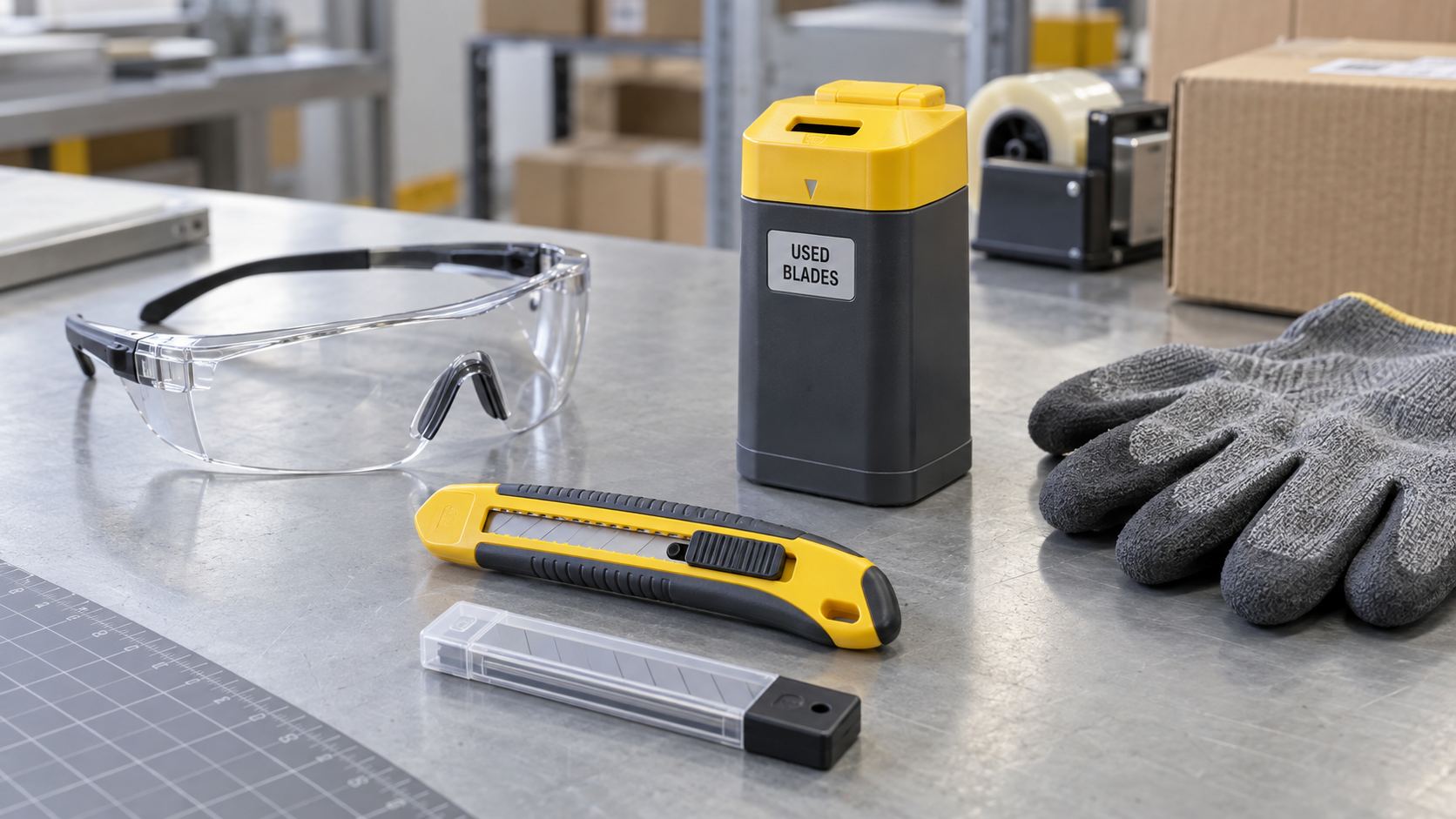
The best way is to use the maker’s own tool.
- Extend the Blade: Slide the mover ahead. Show just one score part past the blade channel.
- Remove the End Cap: Take the plastic top off the handle’s back. You will see a narrow cut in the top.
- Insert the Blade: Push the worn blade part into the top’s cut.
- Snap Away: Grip the knife tight. Press down on the top. Do this away from your body and face. The part will break neatly along the score line.
How to Cut Cutter Blade Without Tool
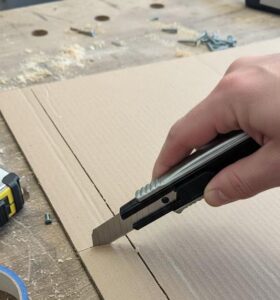
Experts use pliers for this. Hold the first part firm with pliers. Give a fast break move. Do not try to break the blade with plain hands. The high-carbon steel holds stress. It can split or lead to deep cuts.
Why Do You Need to Inspect the Blade of a Box Cutter?
Steady checks form the main guard against work mishaps.
- Dullness Causes Overexertion: A worn blade needs extra push to slice. This raises the chance of the knife slipping. It can cause a wild cut.
- Structural Integrity: Checks show if rust or tiny splits have formed on the blade. Still, even firm steel can weaken if cut on wrong stuff like rock or metal.
- Cleanliness: In fields like car care or wall cover setup, a grimy blade can spoil costly sheets or goods.
Technical Specifications: What Makes the Best Cutter Blade?
Blades differ in quality. The best cutter blade comes from its metal mix, heat process, and edge angle. Sinseung draws on special German gear and own edge methods. This brings top slice power.
Comparison of Professional Blade Models
|
Model Type |
Blade Width |
Primary Application |
Target Industry |
|
S-Series (e.g., S301) |
9mm |
Precision cutting, film, paper |
Stationery, Auto Wrap |
|
L-Series (e.g., L203) |
18mm |
General construction, cardboard |
Warehouse, Construction |
|
XL-Series (e.g., XL401) |
25mm |
Heavy-duty rubber, thick materials |
Industrial Manufacturing |
Sinseung blades draw praise from car wrap workers. They hold a steady edge better than common store picks.
Box Cutter Blade Replacement and Maintenance
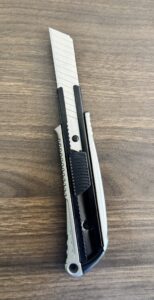
Once you snap off all parts and hit the blade’s end, you need box cutter blade replacement.
Retract the Slider: Push the slider to the handle’s full back.
Open the Housing: For your model, take off the end cap or undo a lock screw.
Remove the Old Blade: Lift the left “stub” from the slider pin with care. Put it in a sharp waste bin.
Insert New Blade: Set a new Sinseung blade on the slider pin.
Reassemble: Slide the blade into the steel path. Put back the end cap.
Utility Knife Uses Across Industries
The utility knife uses go well past box opening. Sinseung offers fit solutions and varied blade shapes. That is why their gear shows up in special fields around the globe.
Automotive Detailing: Workers use 9mm snap-off blades to trim car wraps and window sheets with fine control.
Construction and Flooring: They slice thick wall covers, floor vinyl, and fill stuff.
FAQs: Expert Tips for Utility Knife Safety
How do I dispose of snapped blade segments safely?
Do not toss loose blade parts straight into trash. Pick a “sharps box” or closed bin. Some blade holders have a slot for old parts built in.
Can I use any brand of replacement blade in my cutter?
Most utility knives match set sizes (9mm, 18mm, or 25mm). But top blades from Sinseung keep things from shaking or breaking too soon in hard work.
What should I do if the blade gets stuck in the channel?
Pull the blade all the way back. Look for dirt or sticky bits. Wipe the path with a bit of rubbing alcohol to make it slide easily again.
Is there a difference between “snap-off” blades and “utility” blades?
Yes. Snap-off blades hold many parts. Standard utility blades in slice box cutters or fold knives are one steel piece. You flip or swap them whole when worn.
Why are some blades black while others are silver?
Black blades get extra burn or heat work. This boosts keenness and changes slide feel. Car wrap fields value this a lot.
-
 SK2 vs SK5 Utility Blades for Different JobsCompare SK2 and SK5 utility blade grades by sharpness, toughness, edge life, and job fit for wholesale blade selection.2026/10/07
 -
Are Box Cutter Blades Universal?Explain box cutter blade compatibility by width, holder channel, lock design, refill format, and model matching for trade buyers.2026/10/01
-
How to Safely Snap Off a Utility Knife BladeLearn how to snap off a box cutter blade with controlled extension, safe break direction, secure containment, and practical S103 workstation checks.2026/09/24