
The Ultimate Guide to the Best Box Cutter Knives for Every Task
2026-03-05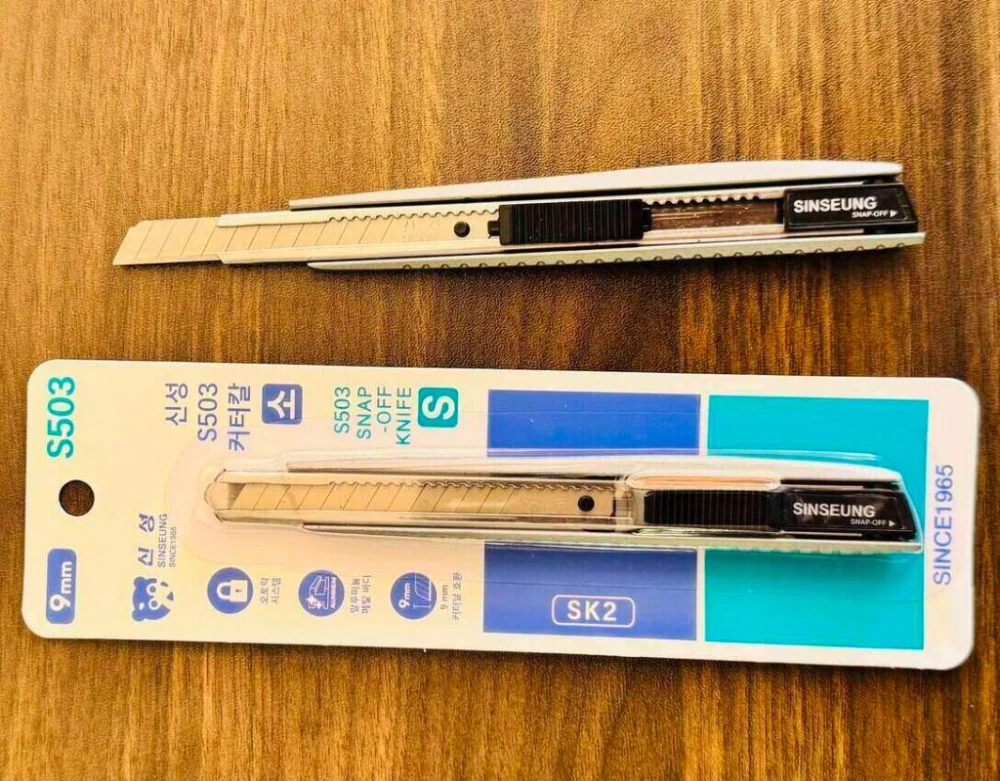
Picking the proper cutting tool goes beyond mere ease. It involves accuracy, protection, and lasting worth. You might be a home fixer sorting a storage area. Or perhaps a worker in building trades. Maybe you manage a storage site handling shipments. In any case, the blade’s caliber sets the pace of your efforts. This guide looks into the design of the best cutter blade choices. It also shows how to spot a well-made box cutter that holds up over the years.
Understanding the Anatomy of a High-Quality Box Cutter
A high-quality box cutter comes from the match between its comfy grip and the solid makeup of its blade.
The Blade Material and Heat Treatment
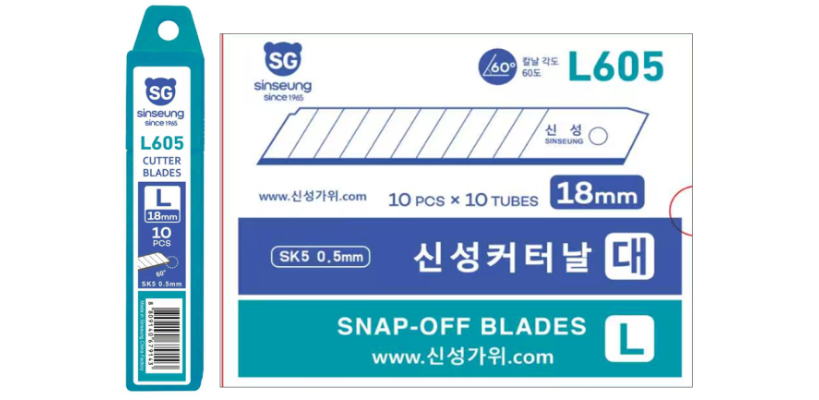
The sharpest box cutter blade does not just cut well at first. It keeps that keenness during tough handling. Makers reach this with careful heat processes. Common blades rely on plain carbon steel. But leading makers like Sinseung use fine steady steel blends. They pair this with their own sharpening methods.
Handle Ergonomics and Safety
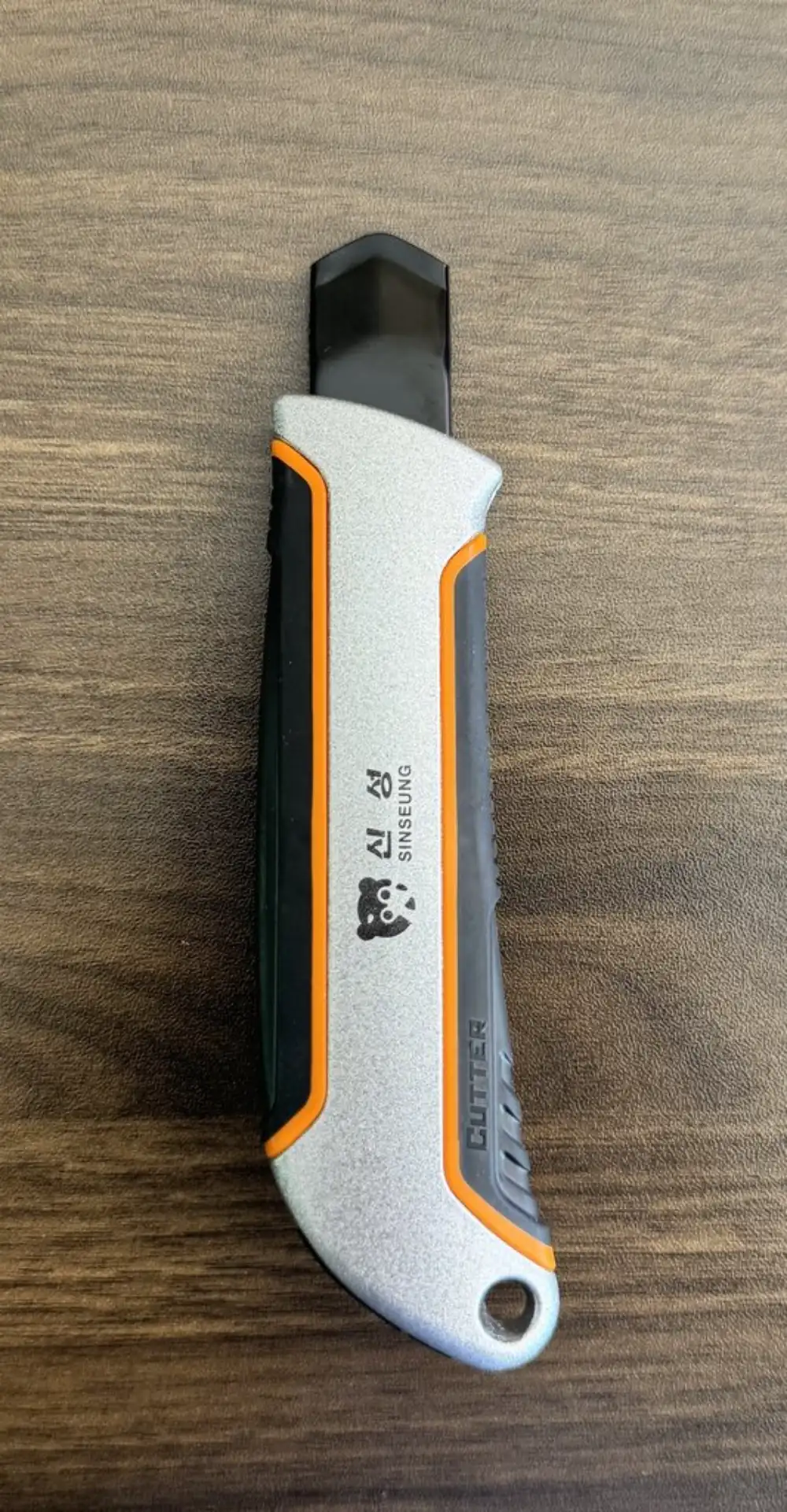
A tool’s worth shows in how it feels in your hand. Pro-level utility knives have user-friendly shapes. These cut down on arm strain in repeated jobs. Think of slicing open many boxes from deliveries. Or working through dense factory stuff.
Comparison of Professional-Grade Cutting Tools
To aid your pick of the best cutter knife for your tasks, this table outlines main models in different fields:
| Category | Model Example | Primary Application | Key Feature |
| Snap-Off Blades | S103 / S301 (9mm) | Stationery, Office, Vinyl Wrap | Precision detailing and light-duty cutting |
| Heavy-Duty Blades | L203 (18mm) | Construction, Wallpaper, Leather | High stability for thick materials |
| Ultra-Heavy Duty | XL401 (25mm) | Industrial Rubber, Construction | Maximum durability and leverage |
Why Blade Hardness Matters: The HRC58 Standard
While looking for top-rated box cutters for home organization or factory work, folks often miss the Rockwell Hardness Scale (HRC). Cheap scissors and blades out there rarely hit strong hardness marks. This leads to quick blunting.
Such strength means real staying power. In the same work setups, a harder blade lasts far longer than low-cost ones. Thus, it gives much better value across the tool’s life.
Finding the Best Box Cutter Brands: What to Look For
The market overflows with choices. Still, the best box cutter brands stand out through their background in making and checks on quality.
Quality Control and Inspection
A solid well-made box cutter faces strict checks. Top makers follow a no-flaw approach. For example, finding one bad blade in a group during review means tossing the batches before and after. This way, only flawless items go to users.
Specialized Industry Solutions
The best knife fits the job at hand:
-
Car Wrap and Detailing: Needs very keen, slim blades for window film and building film.
-
Construction: Calls for sturdy 18mm or 25mm snap-off blades to manage wallboard and filler.
-
Home Organization: Stresses safe handling and simple use for taking apart cardboard boxes.

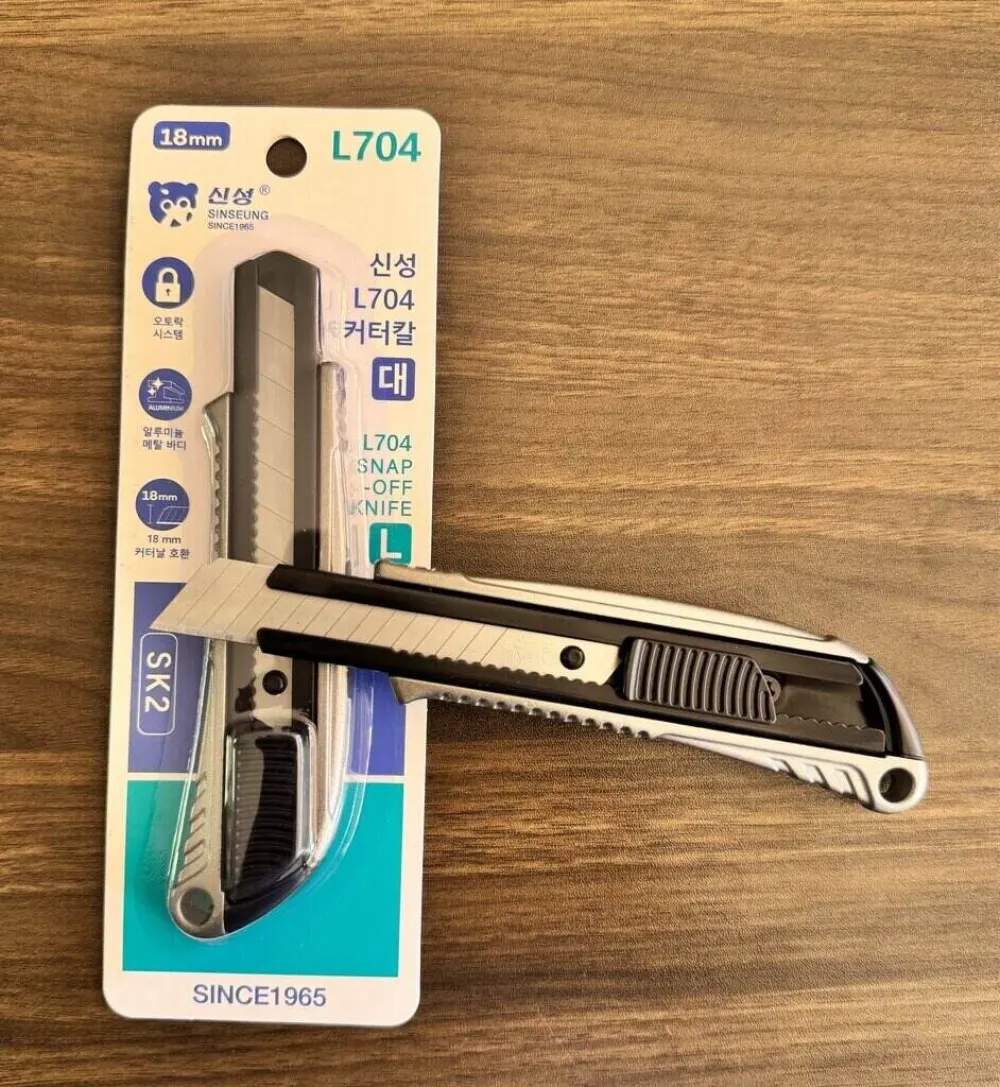
Case Study: Quality vs. Price in the Industrial Sector
Switching from a known name to a targeted maker can bring unexpected gains. A firm in Japan making rubber goods looked for a swap from their usual blades from a famous brand because the costs were too high. Their field demands top toughness over basic snap features. So, they tried making-to-order samples.
The outcomes proved the custom blades beat the top-name ones in caliber. At the same time, prices stayed lower. This shows the best cutter blade is not always the priciest. Rather, it is the one built just for the stuff it cuts.
Sustainable and Cost-Effective Cutting
For companies, the best cutter knife cuts idle time. That is why swap-blade setups rule pro circles. You keep the handle and just change the blade fast. This lowers trash and keeps a fresh keen edge ready.
Upgrade Your Craft with Sinseung Precision
Don’t settle for blades that dull under pressure. Whether you are detailing a luxury vehicle, managing a high-volume warehouse, or tackling a home renovation, Sinseung delivers the professional-grade edge you need. Our blades are engineered with premium steel and heat-treated to the rigorous HRC58 standard, ensuring they stay sharper, longer.
Experience the perfect balance of ergonomic safety and industrial strength. Why pay more for a brand name when you can invest in superior performance?
Explore the Sinseung Collection. Find the perfect 9mm, 18mm, or 25mm solution for your industry today.
Frequently Asked Questions (FAQ)
1. How do I know when it is time to snap off a blade segment?
Snap the blade when it starts pulling or ripping the stuff instead of gliding through smoothly. A blunt edge needs extra push. That raises the chance of slips and falls.
2. What makes a blade “professional grade” versus “standard grade”?
Pro blades often use fine steel with more carbon. They get special heat treatment to hit levels like HRC58. Also, they have exact sharpening for neat slices.
3. Can I use the same box cutter for car wrapping and home construction?
Do not try it. Car wrapping needs 9mm exact blades, such as the S103 or S301, for fine work. Building jobs usually want 18mm or 25mm blades, like the L203 or XL401. These give the steady depth for heavy stuff.
4. What should I do if the blade I purchased is not cutting my specific material well?
Check first if the blade size fits: 9mm, 18mm, or 25mm. If not, you might need a special shape. Some makers provide design help for odd factory needs.
-
 SK2 vs SK5 Utility Blades for Different JobsCompare SK2 and SK5 utility blade grades by sharpness, toughness, edge life, and job fit for wholesale blade selection.2026/10/07
 -
Are Box Cutter Blades Universal?Explain box cutter blade compatibility by width, holder channel, lock design, refill format, and model matching for trade buyers.2026/10/01
-
How to Safely Snap Off a Utility Knife BladeLearn how to snap off a box cutter blade with controlled extension, safe break direction, secure containment, and practical S103 workstation checks.2026/09/24