
The Hidden Cost of Dull Blades: Reducing Material Waste with Optimal Sharpness
2026-01-29Dull blades quietly waste productivity and efficiency. This happens in factories and homes alike. They do not make smooth cuts. Instead, they rip through the material. This leads to rough edges and extra fraying. It affects soft or stringy items like cardboard, cloth, or thin plastic sheets. In the end, more useless pieces end up in the trash.
The extra rubbing from blunt edges raises the risk of harming sensitive surfaces, too. For example, in fields that need exact work—such as car care or box packing—items can become worthless. This occurs if the cuts are bumpy or if the push bends the product. Over many uses, poor blades build up waste. It costs more in supplies and extra work time.

The Role of Consistent Sharpness in Precision Cutting
A sharp cutter blade shows clear changes in the work right away. It makes sure cuts are neat, exact, and the same each time in groups. This matters a lot in areas like building. There, wrong cuts can cause building issues. Or in box packing, where messy edges hurt how the item looks.
Steady blade work also cuts down on fixing jobs. If a cut goes right the first time, there is no need to trim or fix edges later. This saves hours. Plus, it keeps more of the starting material intact.
For makers who want even results—whether slicing car covers or cutting wallpaper—sharp blades hold up quality in large amounts. Sinseung’s blades draw fans from students and office staff. They also appeal to car cover experts, wallpaper fitters, builders, and yard workers. All these folks rely on steady cut accuracy.
Choosing the Right Blade for Efficiency and Waste Reduction
Comparing Blade Types for Optimal Results
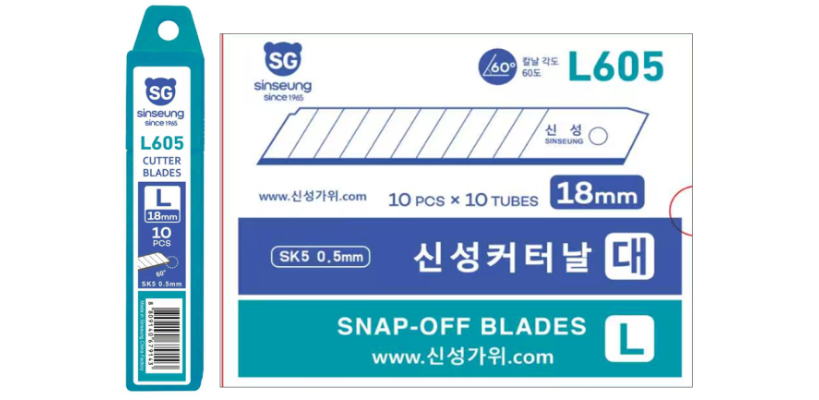
Picking the correct blade kind is key to better work and less waste. The sharpest paper cutter blade, 18mm, works best for light, thin items like cardboard, plastic sheets, and paper. These blades tend to be slimmer. They let you slice fast and with control. There is no pulling or ripping the top.
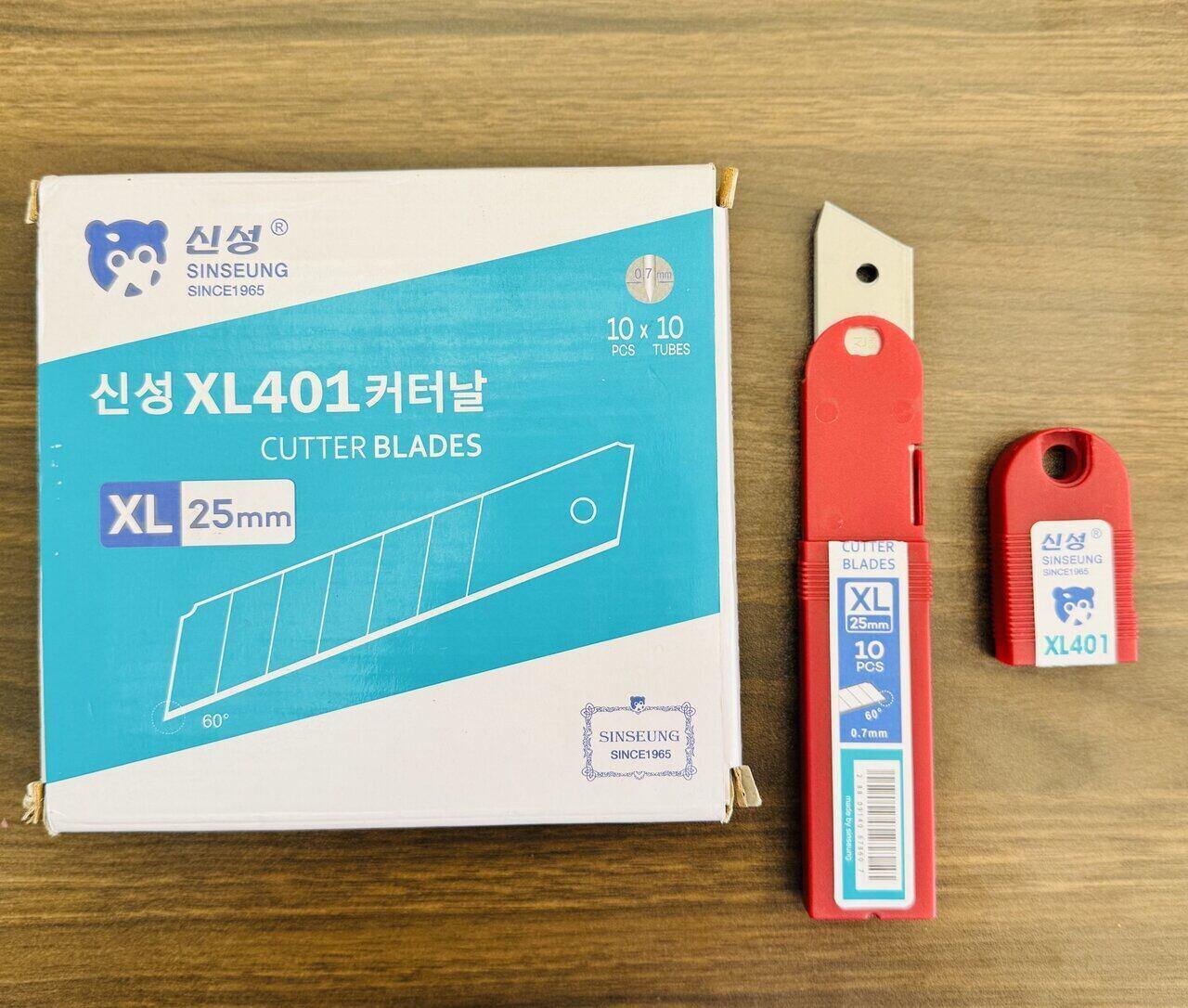
By contrast, the sharpest paper knife blade fits thicker or tougher items better. Think of rubber, rugs, or stacked layers. These blades are stronger. They manage big pressure without bending or breaking.
Here’s a simple chart to compare them:
| Blade Type | Best For | Example Materials |
|---|---|---|
| Sharpest Paper Cutter Blade 18mm | Thin/lightweight materials | Cardboard, shrink wrap |
| Sharpest Paper Knife Blade | Dense/thick materials | Rubber mats, insulation foam |
Picking by the material type stops harm. It also makes tasks run smoothly.
Maintenance Practices That Preserve Blade Performance
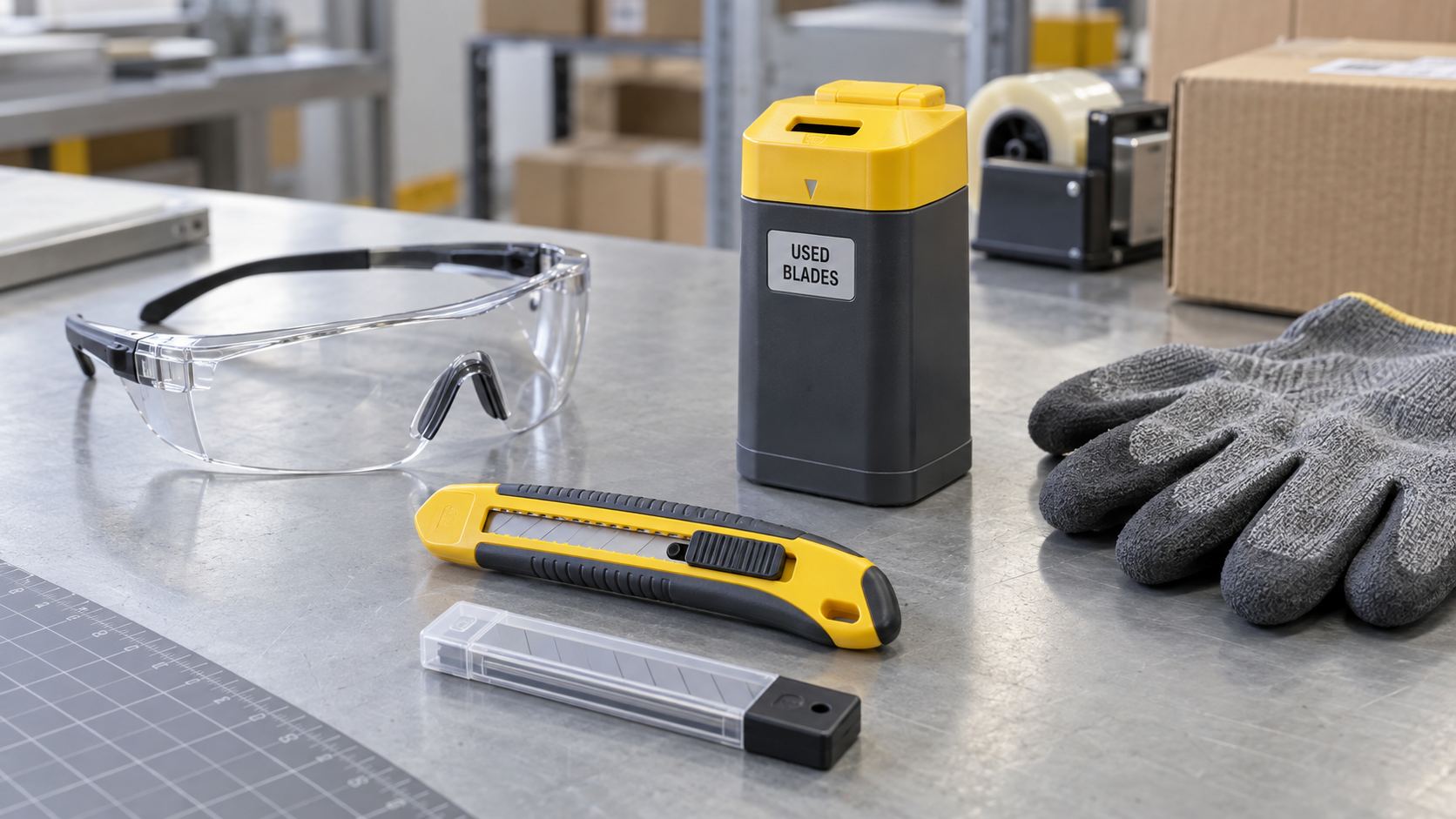
Even the sharpest blade loses its edge over time. Good care is the main way to keep it working well. Swapping blades often is a basic but strong habit. Learning how to change the blade in a box cutter—or how to replace box cutter blade in general—can boost work a lot. People should stick to the maker rules. And they must not use old edges for important jobs.
How you store them counts as well. Wet air or open space can cause rust or decay. That harms the blade tips. Keeping them dry and in safe holders stretches their lives.
Normal checks spot wear early. This stops big problems. In making, each group of blades is looked at by the check team engineers. If bad ones show up, the groups before and after get thrown out. This keeps quality steady. The idea fits what users do, too. On a small level, check for flaws often. Fix them fast to avoid waste.
Economic and Environmental Benefits of Using Sharp Blades
Cost Savings from Reduced Material Waste
Each bit of tossed material means lost cash. It could be a maker throwing out bad-cut vinyl. Or a builder wasting wallboard from weak edge slices. These add up quickly. A sharp paper cutter blade 18mm, makes sure more material goes into the end item. Fewer heads to the bin.
Also, fewer errors mean less time fixing things. The hours saved from no redo work can go to useful jobs. One maker story shows this. A Japanese rubber goods firm used big OLFA blades before. Then they tested our made-to-order samples. Now they buy from us regularly. Their change came from better slice quality and cut costs. It proves sharp blades bring real savings.
Sustainability Gains Through Efficient Cutting Practices
Using material well is not just about cash. It ties to the earth’s health too. Cutting down extra bits lowers what goes to the dump. It saves starting resources. In fields like box packing or car care, where plastics and mixed items are common, less trash helps green aims.
Good slicing with sharp blades lowers power use as well. It takes less push to cut. Over long making sessions, this cuts machine wear. It also drops total energy needs.
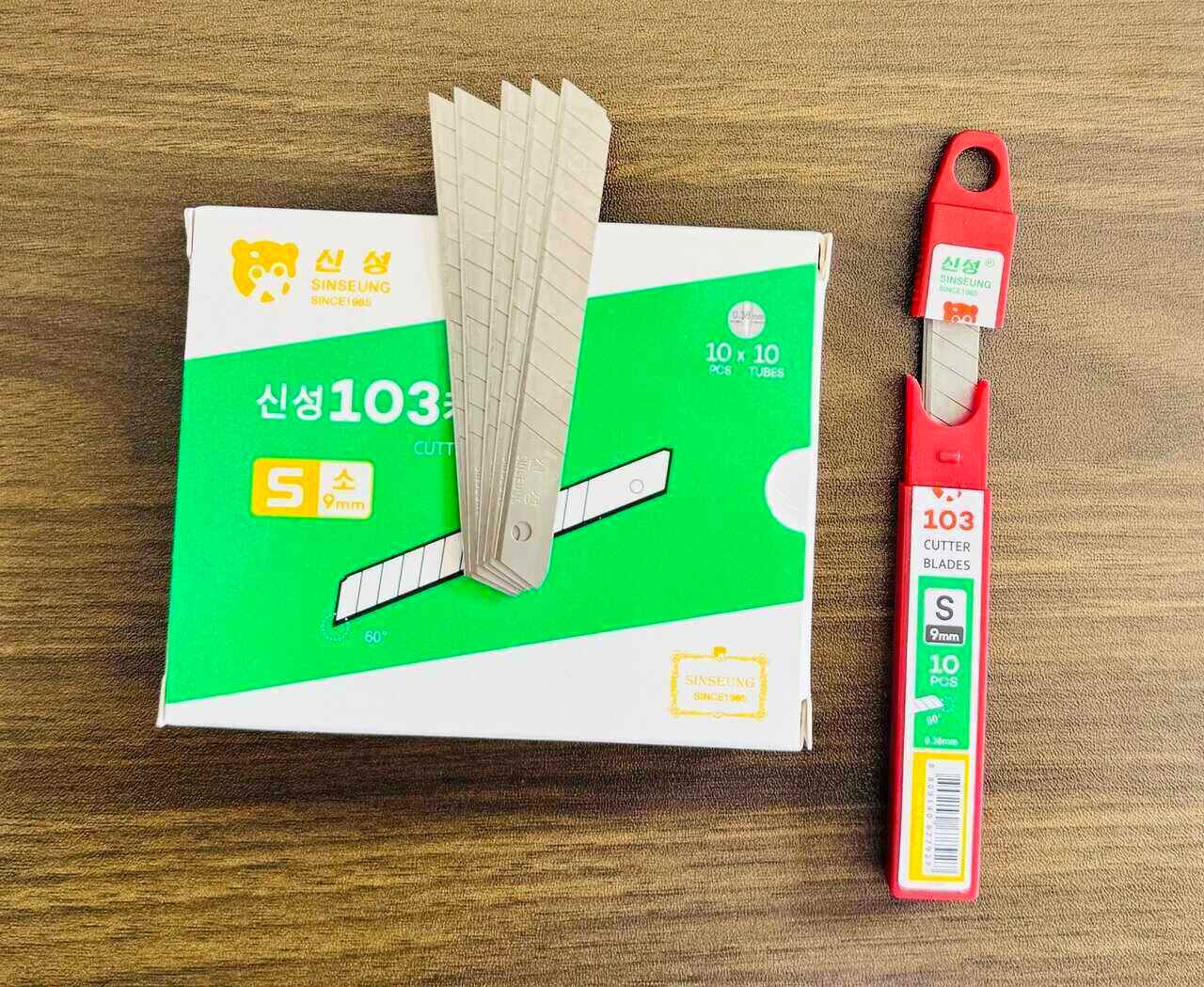
By seeing the secret costs of blunt blades—from material toss to extra work—folks can make real changes. Pick the right blade kind, like the sharpest utility knife blades for tough jobs. Do steady care, such as learning how to replace box cutter blade the right way. Store tools properly, too. All these steps lead to better results. It works if you run a plant or do home fixes. Sharp tools bring gains in many areas.
Sinseung picks top-grade supplies and smart making methods. They make sure our blades reach the best levels in cutting speed, lasting power, and overall work. This kind of keen edge is vital. It helps stop material loss from blade wear.
Sinseung works hard to send high-quality cutter blades worldwide. They not only do well but also help use resources wisely. We team up with buyers to learn their wants. Then we fit the best fix for them. This team way aids money savings and green duties.
FAQs: Blade Sharpness and Material Waste Reduction
1. How does blade sharpness impact material waste?
Blunt blades cause rough edges and material tearing, leading to more wasted material. Sharp blades create clean, precise cuts, minimizing waste and ensuring that more material is used effectively in the final product.
2. What types of materials benefit most from using sharp blades?
Materials like cardboard, thin plastic, and fabric benefit from sharp blades, such as a paper cutter blade 18mm. These blades ensure smooth cuts without tearing, reducing waste during the cutting process.
3. How often should I replace a box cutter blade?
Regular replacement is essential to maintain cutting efficiency. If you notice jagged edges, difficulty cutting through materials, or increased effort during cutting, it’s time to replace the blade. Learn how to change the blade in a box cutter properly to avoid damage and enhance efficiency.
4. Can using dull blades increase the risk of damaging products?
Yes, dull blades can cause uneven cuts and push materials out of alignment, especially with sensitive items like car wraps or packaging. Sharp blades ensure precise cuts and prevent damage to products, saving on repairs and wasted materials.
5. What are the environmental benefits of using sharp blades in manufacturing?
Sharp blades reduce material waste and energy consumption. By ensuring cleaner cuts and less scrap, the manufacturing process becomes more sustainable, leading to a reduction in landfill waste and a decrease in energy used for cutting processes.
-
 SK2 vs SK5 Utility Blades for Different JobsCompare SK2 and SK5 utility blade grades by sharpness, toughness, edge life, and job fit for wholesale blade selection.2026/10/07
 -
Are Box Cutter Blades Universal?Explain box cutter blade compatibility by width, holder channel, lock design, refill format, and model matching for trade buyers.2026/10/01
-
How to Safely Snap Off a Utility Knife BladeLearn how to snap off a box cutter blade with controlled extension, safe break direction, secure containment, and practical S103 workstation checks.2026/09/24