
Safety Cutter Knife Tips: How to Snap Off Blades Without Risk
2025-12-25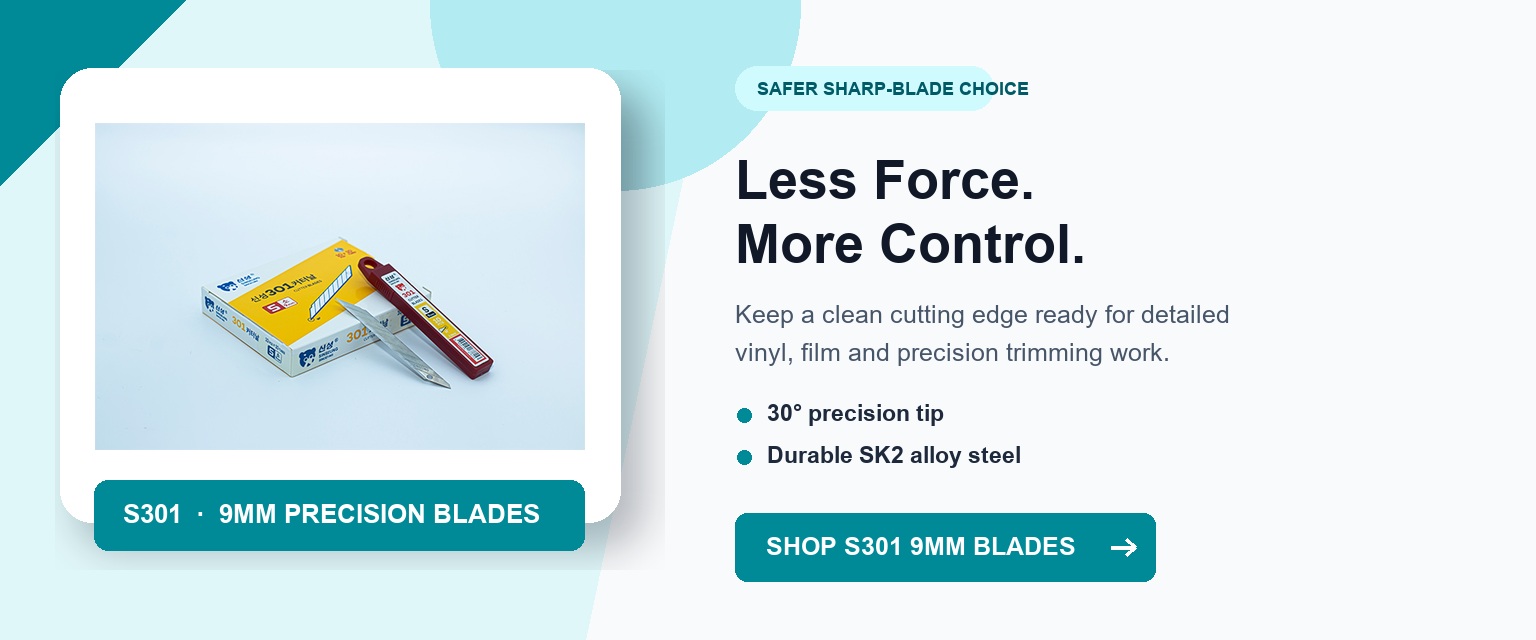
The Structure of a Safety Cutter Knife
A safety cutter knife is a common tool in places like building sites, car repair shops, and schoolrooms. It helps with exact cuts, easy handling, and keeping users safe. The main parts include a handle, a holder for the blade or a track, a sliding part to push out or pull back the blade, and the blade. The blade often breaks into small sections.
Why Snap-Off Blades Are Designed for Convenience and Safety
Snap-off blades are a key part of most box knife blades and safety cutter knives. These blades split into even pieces. Users can break away a worn part to show a new, sharp edge. They do not need to swap the whole blade.
The split design boosts speed. Sinseung wins come from always chasing top quality. A dull box cutter leads to sloppy cuts. It needs more push, which raises accident chances. With the snap-off style, people keep the edge sharp with little work. It cuts down on trash, too, since just one piece goes away, not the full blade.
This setup helps a lot in work areas where time and output matter most. Sinseung’s blades draw fans from groups like students, desk workers, car wrap experts, wallpaper fitters, building crews, and yard keepers.
Preparing to Snap Off Box Knife Blades Safely
Before you try to break off blade from box cutter, getting ready matters to avoid hurts. First, spot the right spot to snap the blade. It is usually marked by thin lines between parts. Make sure you can reach the built-in breaker lid, often at the knife’s end. Or, grab the right tools.
It is smart to wear hand covers for safety from sudden slips. If your safety cutter knife has a lock, check that the blade sits tight before any push. Sinseung uses smart making steps that mix machine work with hand skills. This keeps their goods at steady high levels.
Step-by-Step Method to Snap Off a Blade Segment Without Injury
Here is how to break off blade from box cutter safely:
-
Push out the blade so that one full piece, the worn one, shows past the holder.
-
Grab the breaker tool built into the back lid of your safety cutter knife.
-
Set the breaker over the thin line between pieces.
-
Push down hard but with care in one quick move until the piece snaps.
-
Right away, toss the snapped bit into a special sharp items box.
Do not use your fingers or any wrong tool for snapping the blade. If you are not sure how to replace a box cutter blade or snap it off without harm, check the maker’s guide. Or, ask for tips from pros.
Common Mistakes to Avoid When Replacing Safety Cutter Knife Blades
Many folks mess up in ways that hurt safety when swapping or snapping parts of box knife blades:
-
Forgetting to lock the blade before snapping it.
-
Pushing too hard, which makes you lose hold.
-
Trying to snap more than one piece at a time.
-
Throwing away used pieces the wrong way.
One usual slip is keeping on with a dull box cutter. It slows you down and ups hurt risk. That is because you push extra hard.
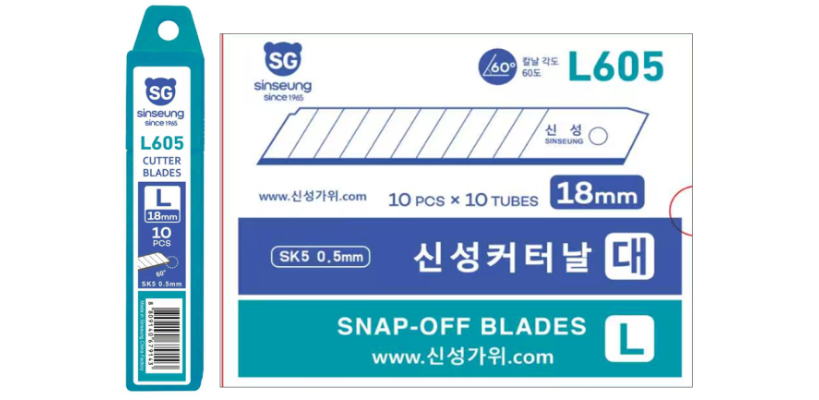
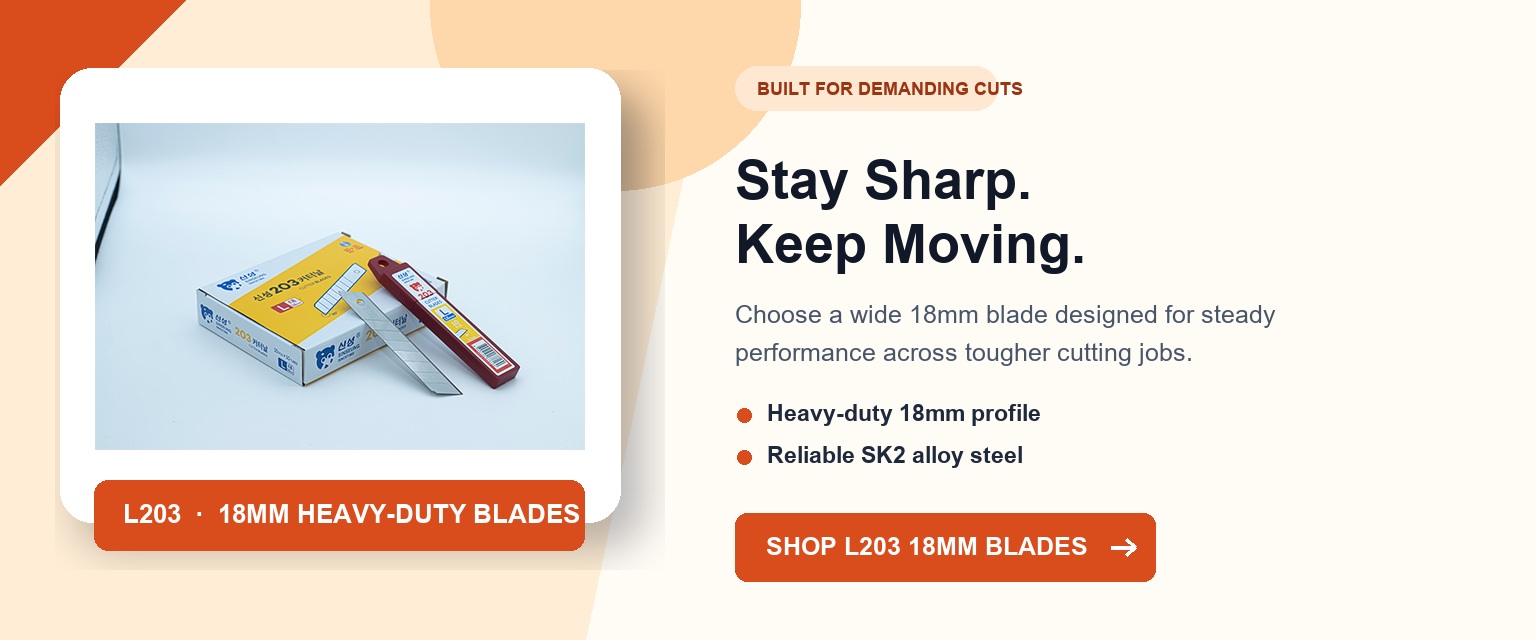
Picking bad blades can cause trouble, too. Sinseung sticks to tough rules for blade stuff. They choose only fine, steady steel. Opting for good items like Sinseung’s L203 18mm snap-off blades gives steady results.
Recommended Tools and Accessories for Safe Blade Removal
To snap off or swap box knife blades without risk, think about these:
-
A safety cutter knife with a built-in breaker lid.
-
Hand grips, if no breaker is there.
-
A firm work spot.
-
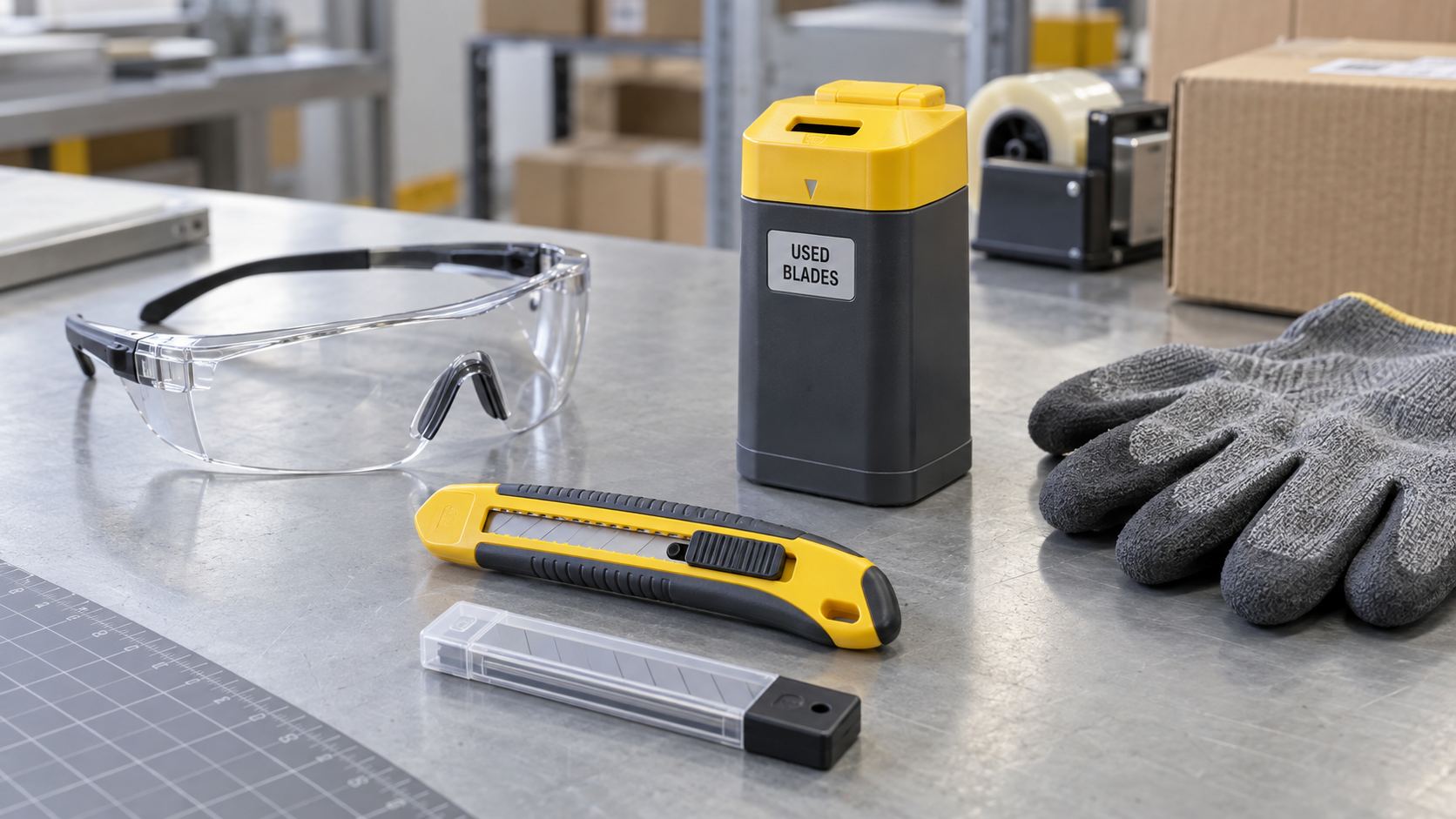
Hand covers and eye shields for protection.
-
A box for sharp waste.
Sinseung’s utility knives, like the L708 18mm utility cutter knife or XL803 25mm utility cutter knife, come with smart built-in parts. These make blade swaps safe.
The firm keeps tight rules for blade raw material. We pick only fine, steady steel materials.
Proper Disposal Methods for Used Box Knife Blades
After taking off a worn piece, right throw-away ways are key to stopping hurts. Never drop loose blade bits into normal trash cans.
Do this instead:
-
Pick a special box for sharp items.
-
If none, use a thick plastic bottle with a twist lid.
-
Mark the holder “used blades” in big letters.
-
Close it tight and toss it per your area’s danger waste rules.
This way keeps trash handlers or others from cuts by bare blades.
Maintenance Tips to Extend the Life of Your Safety Cutter Knife
Good care can make your safety cutter knife last much longer:
-
Clean dirt from the blade path and handle often.
-
Keep the knife away from wet spots to stop rust.
-
Use up each blade piece before breaking it.
-
Put your knife in a dry area, not in bright sun.
-
Swap the full blade when you hit the last piece.
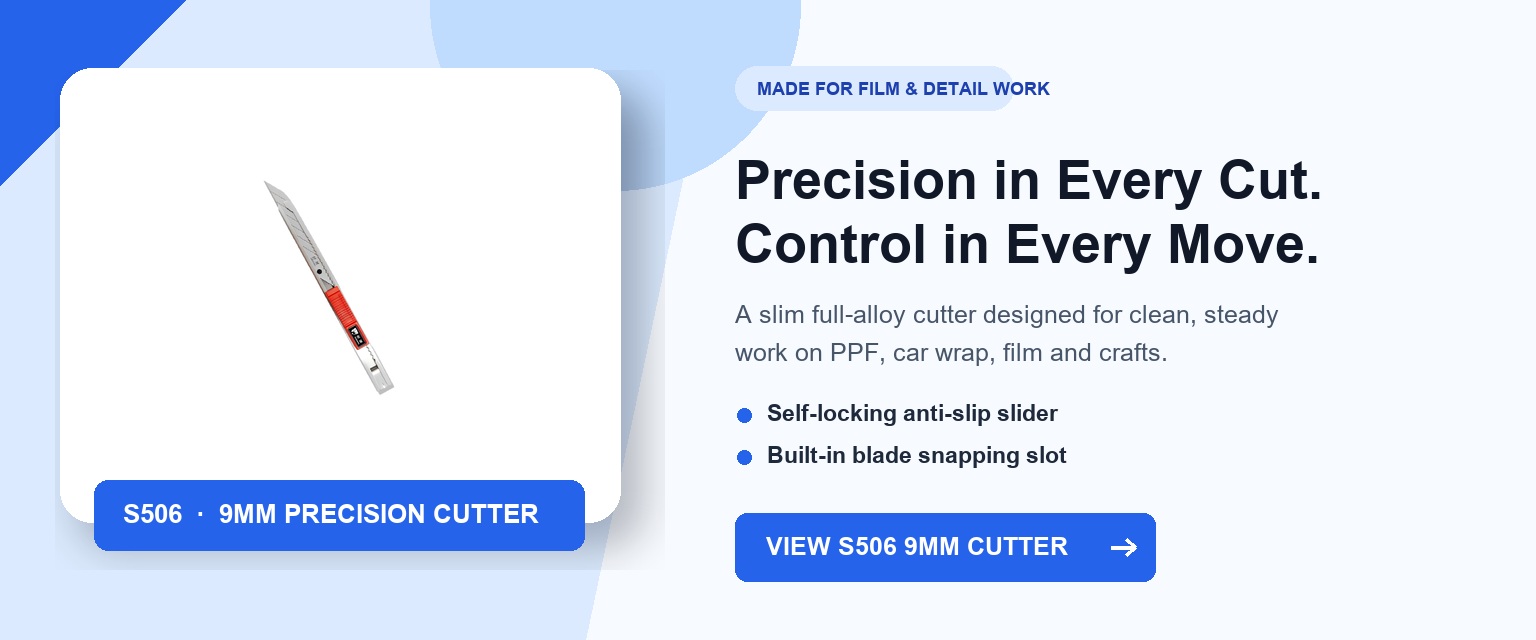
Safety cutter knives from trusted makers like Sinseung use strong materials and careful building methods. Sinseung picks top-grade stuff and smart ways to make blades that cut well, last long, and work great. The easy-to-hold shape of their utility knives, such as the S506 9mm or L203 18mm, gives a firm grip. This lowers the chance of slips or hurts.
FAQ
How do I safely snap off a blade from a box cutter?
To snap off a blade safely, push the blade out slightly, locate the thin line between segments, and use the built-in breaker tool on your safety cutter to snap the blade in a quick, controlled motion. Always wear gloves for extra safety.
What are the common mistakes when replacing a safety cutter knife blade?
Common mistakes include forgetting to lock the blade before snapping, pushing too hard on the blade, attempting to snap more than one piece at a time, and disposing of used blades incorrectly. Always follow the manufacturer’s instructions for safe blade handling.
What is the best way to dispose of used box knife blades?
Used blades should never go in regular trash. Instead, place them in a designated sharp object disposal container, like a thick plastic bottle with a secured lid, or a specially marked container for used blades, following local disposal regulations.
How do snap-off blades improve the safety and efficiency of a safety cutter knife?
Snap-off blades allow users to break off dull sections, keeping the cutting edge sharp and minimizing waste. This reduces the risk of accidents due to a dull blade and improves cutting efficiency in high-speed work environments.
-
 SK2 vs SK5 Utility Blades for Different JobsCompare SK2 and SK5 utility blade grades by sharpness, toughness, edge life, and job fit for wholesale blade selection.2026/10/07
 -
Are Box Cutter Blades Universal?Explain box cutter blade compatibility by width, holder channel, lock design, refill format, and model matching for trade buyers.2026/10/01
-
How to Safely Snap Off a Utility Knife BladeLearn how to snap off a box cutter blade with controlled extension, safe break direction, secure containment, and practical S103 workstation checks.2026/09/24