

What Box Cutter Blade Thickness Handles Abrasive Cuts Better?
2026-01-09
Box Cutter Blade Thickness and Its Role in Abrasive Cutting
When you pick a box cutter for slicing rough, covered, or sticky materials, the first thing to think about is the box cutter blade thickness. Thicker blades give more power and fight off breaks during tough jobs. Thinner blades work well for exact tasks. But they might wear out quicker on rough spots.
A sturdy blade like the 25mm XL401 often works best for rough bases. It holds up without bending and stays firm under force. Yet, for jobs needing care, like trimming thin sticky lines or covered sheets, a slimmer 9mm blade might fit better.
You need to weigh strength against control when picking box cutter blade thickness. In rough or sticky cutting, a medium or sturdy blade usually does better in the long run.
How Blade Steel Grade Affects Durability and Sharpness
The type of steel in a cutter blade changes how well it keeps its edge and handles steady use on hard stuff. Better steel holds its sharpness longer. It also fights rust well. This makes it great for rough or sticky-covered surfaces.
Strong steel stops early dulling. It lets the cutting edge deal with things like fiberglass insulation, tapes with sandpaper backs, or vinyl with tiny bits stuck in it.
In fields like building, car care, or putting up wallpaper—where you must cut through strong layers neatly—picking blades with top steel quality gives better results. It also means you replace them less often.
The Importance of Blade Hardness for Tough Materials
Blade hardness gets measured on the HRC scale, which checks Rockwell Hardness. It shows how well the blade fights wear and keeps its edge during rubbing. Most of our products hit HRC58 hardness. That’s a mark few factories, only about 5%, can match. Tough utility knife blades last a long time. Greater hardness means edges that stay good longer.
For rough stuff like sanded wood covers or thick sticky films, blade edges can lose sharpness fast if the hardness is low. High HRC scores cut down on this a lot. Sure, super-hard blades might snap more easily. But a smart mix, like in Sinseung’s items, gives both strength and toughness. This makes them reliable for regular use.
Choosing the Sharpest Box Cutter for Abrasive Applications
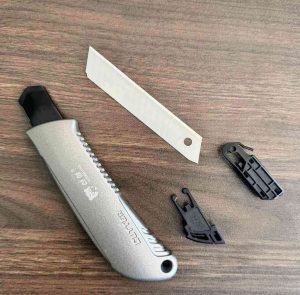
To cut rough materials well, you must choose the sharpest box cutter. A keen edge makes slices neat. It cuts down tiredness for the user. It also stops the material from bending out of shape. But keenness needs to pair with holding the edge. That way, you skip changing blades often.
Comparing Thick vs. Thin Box Cutter Blades in High-Friction Cuts
In spots with lots of rubbing—like cutting through packages full of grit or sticky layered sheets—sturdy and slim box cutter blades each have good points:
| Blade Type | Advantages | Drawbacks |
|---|---|---|
| Thick Blades (e.g., 25mm) | Stronger; better suited for heavy-duty cuts | Less precise; more material resistance |
| Thin Blades (e.g., 9mm) | More accurate; ideal for detailed work | Can break more easily under stress |
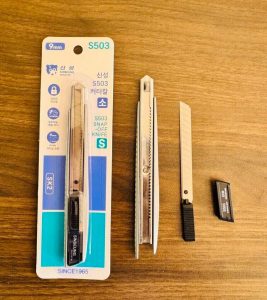
Sinseung provides many blade sizes. These are S103 9mm, L203 18mm, and XL401 25mm. Users can pick what fits their job. For instance, in car wrap work, where you trim films with covers, you need care. But they must handle sticky rubbing too. Here, middle-sized blades like L203 give a perfect mix.
Sturdy blades cut down on bending and snapping in bumpy stuff. Slim blades are common for careful cuts. But use them with care in rough cases.
Features of a High-Quality Box Cutter for Coated or Adhesive Materials
A high-quality box cutter made for covered or sticky-based items should have these parts:
-
High-Grade Steel Blades – Ensures long-lasting sharpness.
-
Corrosion Resistance – Essential for sticky or chemically-treated surfaces.
-
Precision Ground Edges – Provides clean cuts even on layered materials.
-
Reliable Snap-Off Mechanism – Enables continuous, sharp cutting without tool replacement.
-
Ergonomic Design – Reduces hand fatigue during repetitive tasks.
-
Blade Locking Mechanism – Maintains consistent pressure while cutting sticky surfaces.
Tips for Maintaining Blade Performance When Cutting Abrasive Substrates
Even top blades need good care to stay at their best:
-
Clean Blades Regularly: Adhesives can gum up the edges and reduce sharpness.
-
Use Proper Cutting Angles: Avoid applying excessive force; let the sharp blade do the work.
-
Replace Segments Frequently: Snap-off designs let you keep using fresh edges.
-
Store Properly: Keep blades dry and shielded from corrosive environments.
-
Choose the Right Blade for Each Task: Match the material’s abrasiveness to blade thickness and hardness.
We suggest new buyers get a small batch at first. After you check what people think in your market, we can move to larger amounts. This lets users try which blade types work best for their own rough cutting jobs. Then they can buy lots.
Good care and smart tool picks not only make blades last longer. They also boost safety and slice neatness. This matters a lot with sticky or covered bases.
Sinseung picks top-notch materials. Our wins come from chasing quality without stopping. We use fine materials and fresh-making steps. This keeps our blades at peak levels for cutting speed, lasting power, and work quality. Sinseung’s heat treatment and grinding ways let blades stay keen for a longer time. They handle rough parts like fiberglass cloth, tape, or strong coated cardboard.
If you want the sharpest box cutter out there, Sinseung’s lineup has choices made just for you. They mix fine edge shapes with tough steel. Take the L704 18mm utility cutter knife. It’s built to give a strong cutting force in hard spots.
-
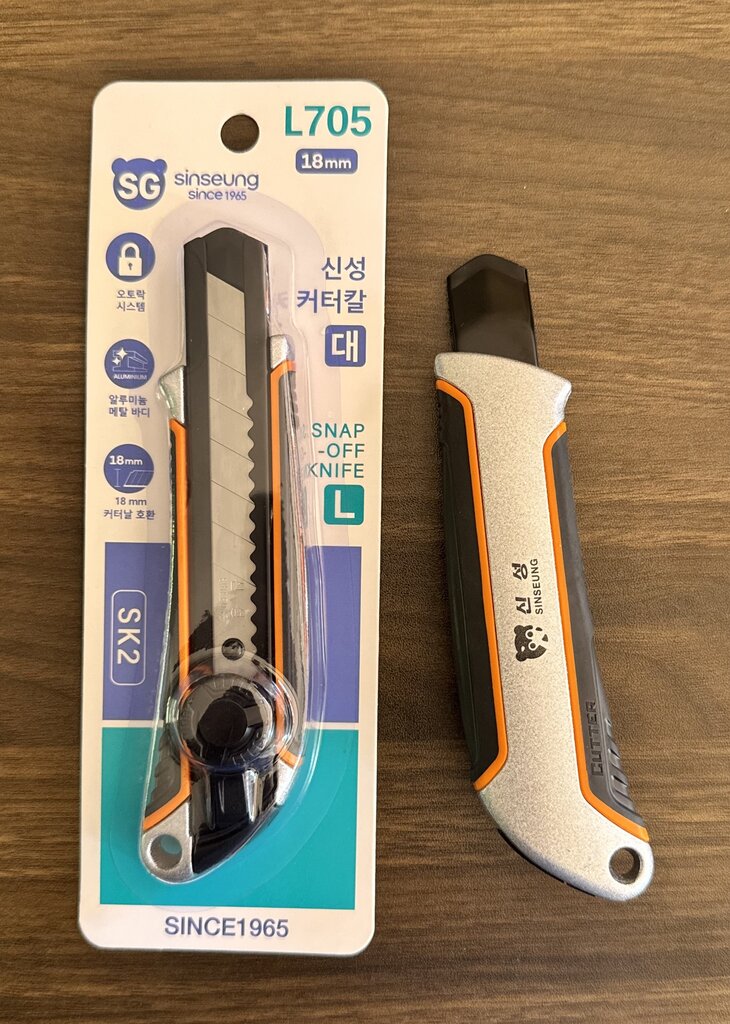 What Is a Snap-Off Utility Knife and How to Use ItLearn what a snap-off utility knife is, how it works, its advantages over traditional cutters, safe usage techniques, and how to choose the best model for your needs.2026/01/15
 -

-
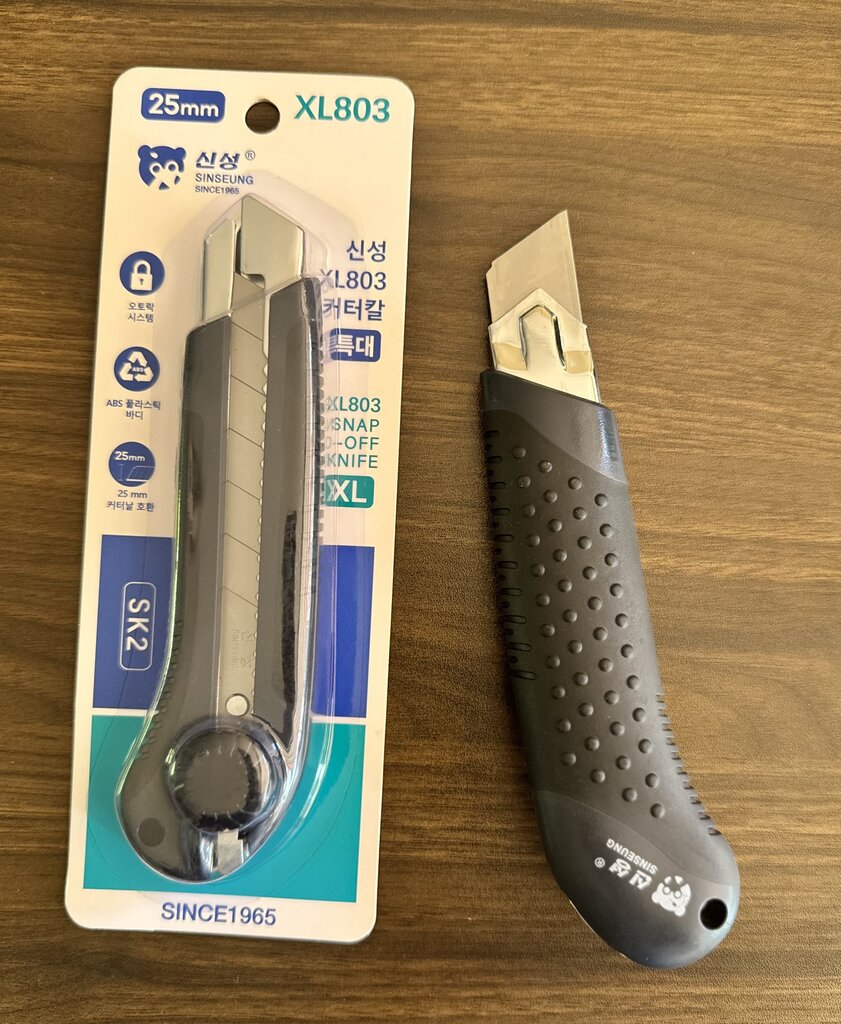 Types of Box Cutter Blades for Everyday and Industrial TasksExplore the common types of box cutter blades,and find out which blade suits your industrial tasks best with Sinseung's expertise.2026/01/02


