
SK2 vs SK5 Utility Blades for Different Jobs
2026-10-07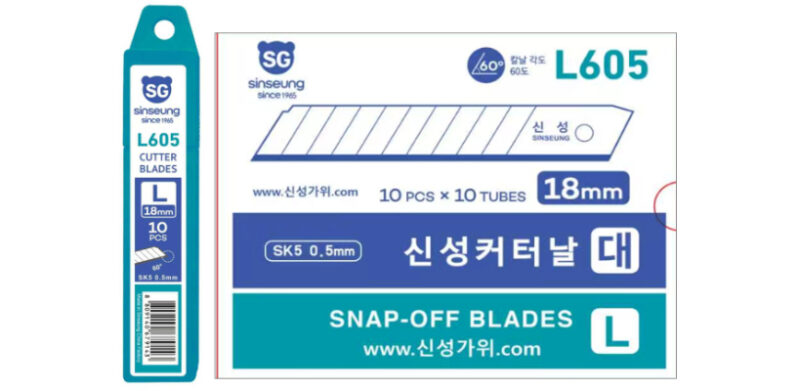
Steel grade matters when the same utility blade must handle clean paper cuts one day and tougher packaging material the next. SK2 and SK5 are both high-carbon tool-steel names, but they do not serve every cutting job in the same way. This guide explains how to read the grade question without turning it into a generic material lesson.
Why the Steel Grade Question Matters
A grade comparison helps buyers connect blade material to a real use condition. The useful question is not which steel sounds stronger, but which balance of sharpness, toughness, edge holding, and break behavior fits the work.
SK2 vs SK5 utility blades often appear in searches because buyers want a quick answer. The practical answer depends on the material being cut, how much side pressure the operator applies, and whether the job rewards a very keen edge or a more forgiving edge.
What SK2 Usually Signals
SK2 usually points buyers toward a higher-carbon blade discussion. In many cutting tools, that makes the grade attractive for sharpness and edge retention, especially when the blade is used with controlled pressure and the cut line needs to stay clean.
What SK5 Usually Signals
SK5 usually points buyers toward a more balanced high-carbon steel choice. It is often discussed where toughness, stable production, and daily utility use matter more than chasing the sharpest cutter claim on a label.
|
Buying question |
SK2 tendency |
SK5 tendency |
Practical note |
|
Clean thin-material cuts |
Very keen edge potential |
Good everyday edge |
Operator control matters as much as grade |
|
Tougher packaging or board |
Can feel more exacting |
Often more forgiving |
Avoid side loading any snap-off blade |
|
Distributor assortment |
Useful for premium precision lines |
Useful for broad utility lines |
Confirm hardness, grind, and consistency |
|
Quality evaluation |
Grade alone is not enough |
Grade alone is not enough |
Heat treatment and grinding decide the final result |
Reading Blade Material Claims in Real Use
Blade material claims become useful only when they are tied to repeatable manufacturing. A high-carbon steel label cannot compensate for unstable heat treatment, uneven grinding, or weak inspection between batches.
For heavier cutting, distributors often compare larger stable utility knife blades against lighter 9mm blades because the workpiece changes the pressure pattern. The same steel grade can feel different when the blade width, segment length, and holder support change.
Edge Retention Is a System
Edge retention comes from steel, heat treatment, grinding angle, and how the user cuts. A harder edge may stay sharp longer in a controlled slicing job, while a slightly more forgiving setup may perform better in rougher handling.
Finish and Coating Affect Buyer Perception
Finish also shapes how a blade feels at the point of use. Black blades, bright blades, and standard utility finishes can all sell well, but the finish should support the task rather than hide an unclear blade material claim.
Matching Grades to Common Utility Blade Jobs
Job matching is the safest way to decide between SK2 and SK5. A distributor can group blade choices by work pressure, cut finish, and replacement frequency instead of treating one grade as the universal winner.
1.Film, paper, and detail trimming reward a fine edge and steady hand pressure.
2.Carton, board, and general warehouse use reward toughness and predictable segment life.
3.Frequent blade changes favor stable replacement supply and clear model matching.
4.Professional users need the blade and knife holder to work as one controlled tool.
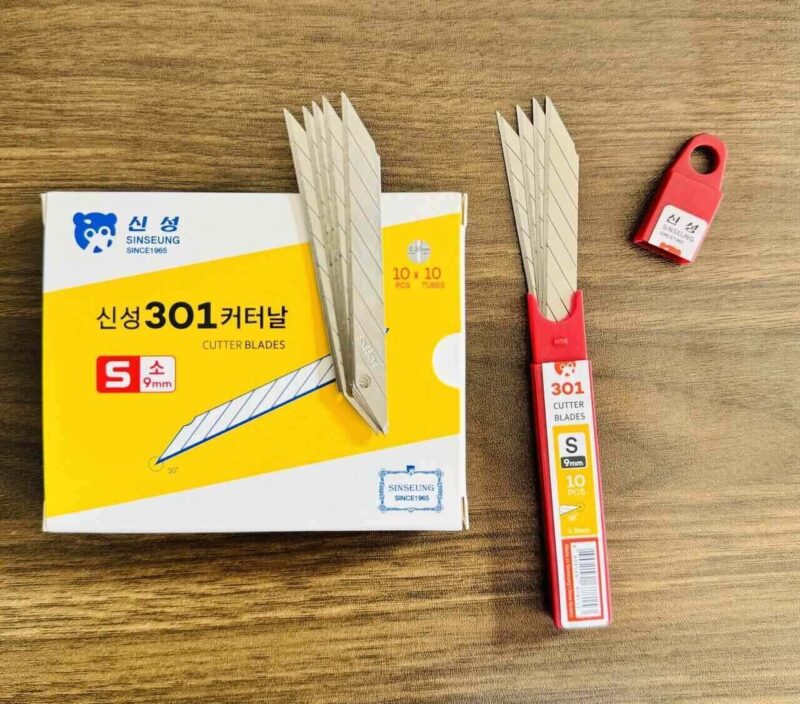
For narrow precision work, precision 9mm snap-off blades can make sense when the operator needs a slim blade and a fresh point. For broader utility work, an 18mm line may give buyers a stronger working feel.
Where Steel Choice Meets Production Quality
A buyer can ask for SK2 or SK5 and still receive inconsistent blades if production control is weak. Steel grade should therefore sit beside hardness control, grinding consistency, packing protection, and batch inspection in the buying conversation.
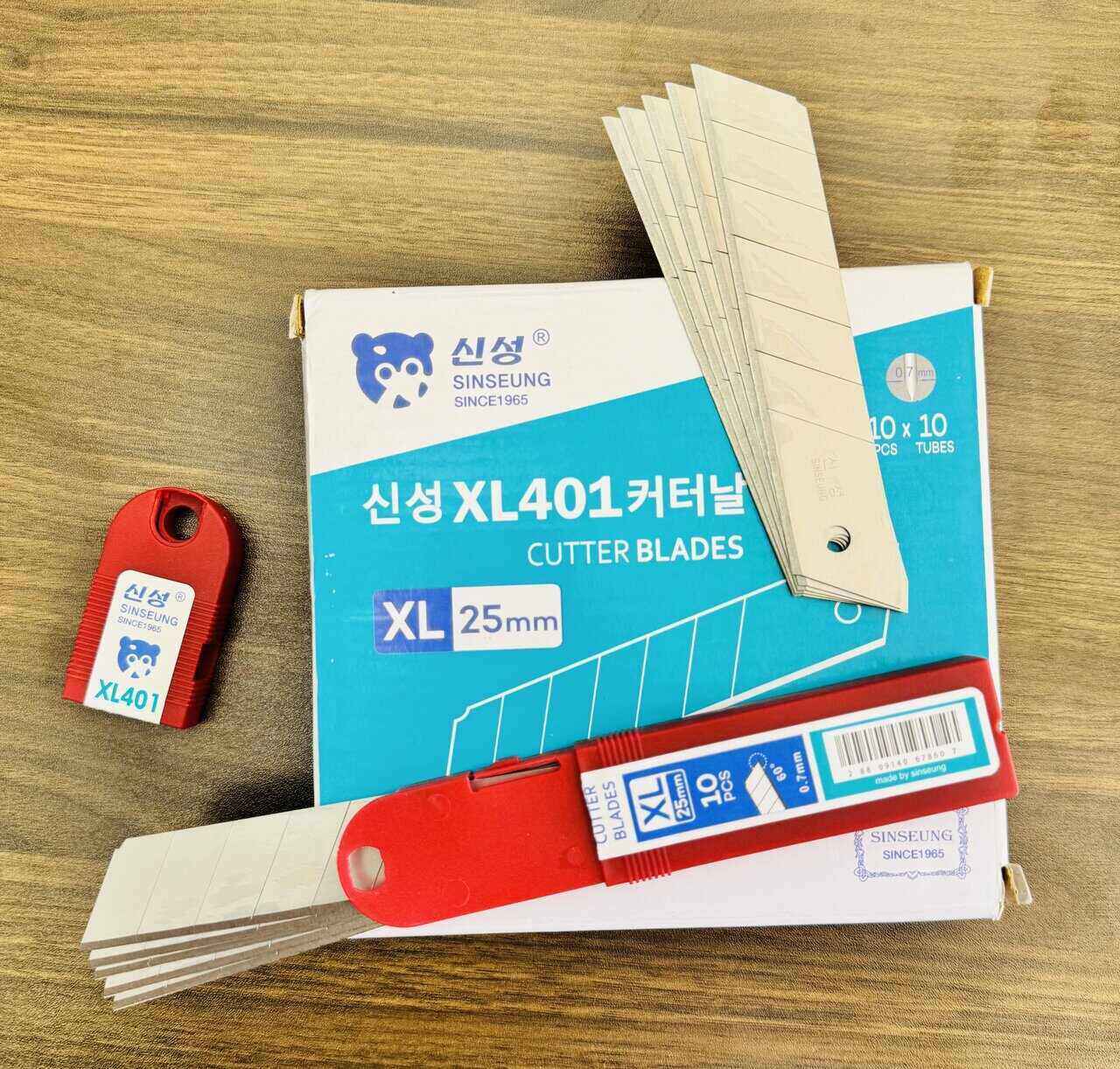
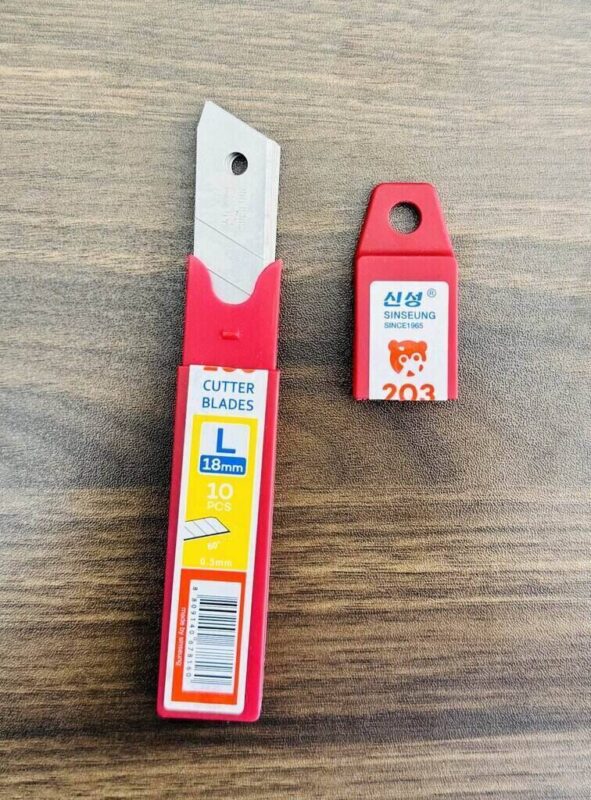
Sinseung has manufactured cutter blades and utility knives since 1965, with replacement blades as the core business. The useful value for importers is not only a grade name, but stable steel selection, heat treatment, grinding technology, and batch inspection handled by quality engineers.
This is also where sampling should stay practical. A buyer can compare how the blade enters paper, film, corrugated board, and plastic strapping, then record whether the edge dulls, chips, or drags before deciding which steel grade deserves a wider order.
That production view also keeps best cutter blade decisions grounded. Buyers should compare the grade, blade size, intended knife model, application, and supplier consistency before deciding which steel grade deserves shelf space.
Summary
SK2 is often considered when sharpness and edge retention carry the decision, while SK5 is often considered when balanced toughness and daily utility use matter. The better choice depends on the job, the knife holder, and the quality control behind the blade rather than the grade label alone.
If you are narrowing a utility blade range for distribution, share your target blade use with Sinseung and compare the work material, blade size, and replacement pattern before locking the grade mix.
Часто задаваемые вопросы
Is SK2 always sharper than SK5?
SK2 is often associated with a very keen edge, but sharpness still depends on grinding, heat treatment, and final inspection. A well-made SK5 blade can outperform a poorly controlled SK2 blade in real use.
Is SK5 better for general utility blades?
SK5 is often a strong general-use option because buyers value toughness and consistent handling. The final fit still depends on blade size, segment design, and the material being cut.
Should distributors list both SK2 and SK5 blades?
A mixed range can make sense when the buyer base includes both precision users and heavier utility users. The assortment should stay simple enough for sales teams to explain clearly.
Does blade material matter more than thickness?
Blade material and thickness answer different questions. Material affects edge behavior, while thickness and width affect support, flex, and the pressure a user can apply.
What should buyers confirm besides steel grade?
Buyers should confirm blade size, compatible knife models, intended cutting material, finish, packing, and quality control process. Those details make the grade decision practical.
Предыдущая : Никакой
Следующая : are-box-cutter-blades-universal
-
 Are Box Cutter Blades Universal?Explain box cutter blade compatibility by width, holder channel, lock design, refill format, and model matching for trade buyers.2026/10/01
 -
How to Safely Snap Off a Utility Knife BladeLearn how to snap off a box cutter blade with controlled extension, safe break direction, secure containment, and practical S103 workstation checks.2026/09/24
-
30 vs 45 Degree Cutter Blades for PrecisionLearn how 30 and 45 degree cutter blade tips affect precision, durability, PPF trimming, and wholesale blade selection.2026/09/24