
Tips for Changing Snap-Off Blades on Various Utility Knife Sizes
2026-01-22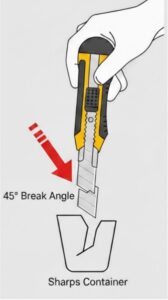
Snap Off Knife Blade Sizes
Common Utility Knife Blade Sizes and Their Uses
Utility knives appear in different blade sizes to fit various cutting jobs. The usual snap-off blade sizes include 9mm, 18mm, and 25mm. Each size fits certain tasks in mind:
-
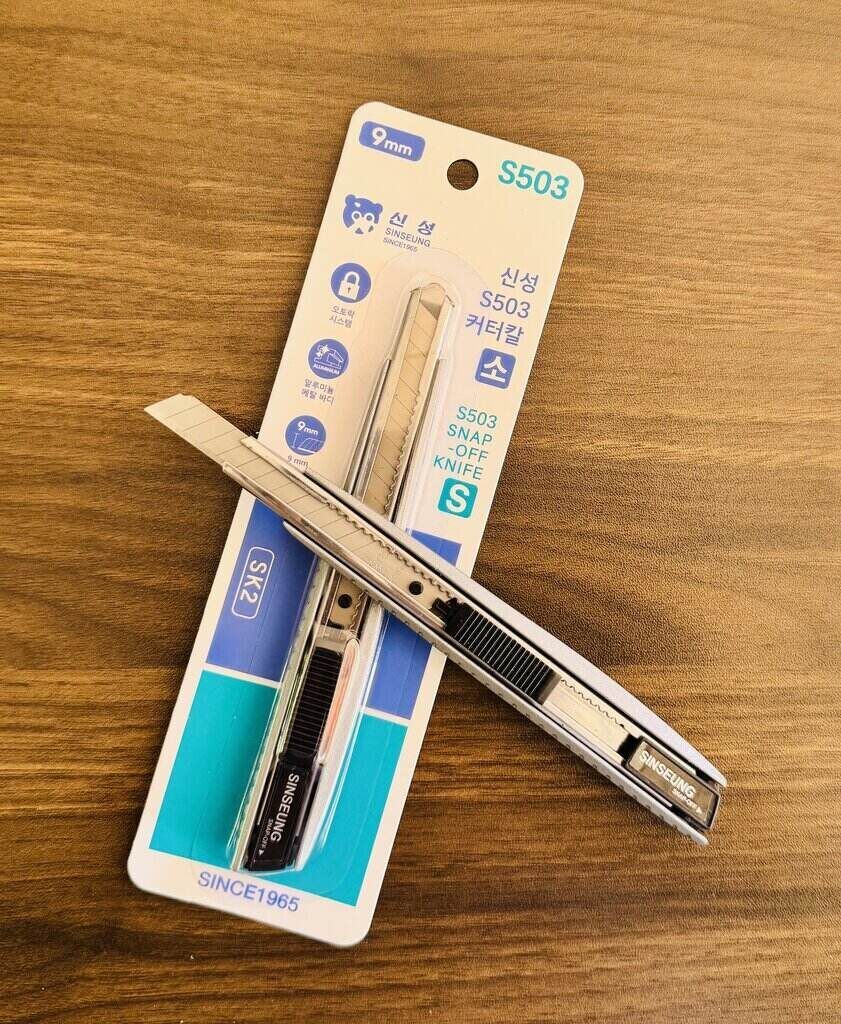
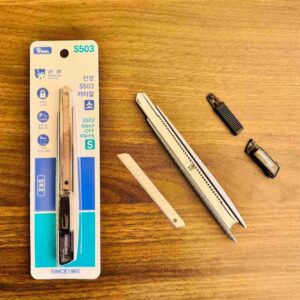
9mm snap-off knife: This small blade works well for exact work. It suits tasks like careful paper cutting, model building, or trimming items such as vinyl and wallpaper. Its slim shape lets you make precise cuts with little work.
-
18mm snap-off knife: This size gives a good mix of control and cutting power. It serves as the main choice for everyday tasks. It can deal with cardboard, plastic sheets, foam board, and similar materials. At the same time, it keeps good accuracy.
-
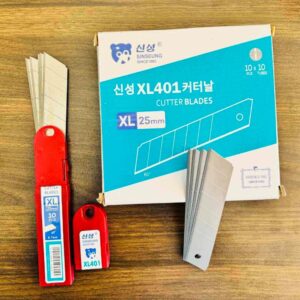
25mm knife blades: These strong blades fit tough jobs. The 25mm knife blades handle things like thick rubber, insulation, carpet, or sheetrock. Their solid build lowers the chance of breaking under stress.
How Blade Size Affects Replacement Technique
The blade size plays a big role in how you handle the swap:
-
Smaller blades (like 9mm) need gentle care. This is because of their slim and bendy build. If you snap them roughly, the blade might break in an uneven way. Or it could lead to harm.
-
Larger blades (like 25mm) feel sturdier. But they call for more strength and a tight hold during the swap. Their firm nature makes them less likely to break by mistake. However, they take more skill to manage without the right method.
No matter the blade size, it is key to learn how to change box cutter blade the right way. This helps avoid mishaps and keeps your tool lasting longer.
Preparing to Change a Snap-Off Blade
Safety Precautions Before Replacing Blades
Before you begin the blade swap, follow these simple safety steps:
-
Wear gloves: This matters a lot when touching old blades. They might have rough or odd edges.
-
Lock the knife in the closed position if it has a lock. This stops the blade from popping out by surprise as you work.
-
Always point the blade away from your body during the swap.
-
Never snap off a blade segment with your bare hands.
Tools and Surface Needed for Blade Replacement
Get these items ready:
-
Pliers: Use pliers to snap the blade neatly along the marked line.
-
Flat, stable surface: Do the swaps on a solid bench or table. This cuts down on slips or shaky moves. Do not try to swap blades while holding the knife in the air.
These items and spots make sure of safety and care when you learn how to change blade in box cutter knives of any size.
Step-by-Step Guide to Changing Blades by Knife Size
Replacing Blades on a 9mm Snap-Off Knife
-
Slide out the blade until one full segment sticks out past the casing.
-
Align the scored line of the blade with the end of the knife casing.
-
Use a pair of pliers to snap off the dull segment.
-
Put the used segment in a safe spot—best if it is a container for sharp items.
Changing Blades on an 18mm Snap Off Knife
-
Extend the blade so that one scored segment sticks out completely.
-
Grip the knife tightly. Then use pliers to bend the blade down at a 45° angle. Keep going until it breaks off neatly. If you have Sinseung’s L704 or L708 models, which are 18mm snap-off knife types, they provide great hold and simple snapping. This comes from their solid build.
-
After snapping off, always retract the blade fully to keep it safe inside.
How to Change a Blade on a 25mm Utility Knife
-
If all segments are gone or the tip looks very worn, unlock and remove the old blade fully.
-
Put a new 25mm knife blade into the blade track. Make sure it fits the grooves inside just right.
-
Slide it back and forth a bit to check if it moves without hitches. Then lock it in place.
-
Turn on any safety locks your model has.
Tips for Maintaining Your Utility Knife After Blade Changes
Keeping Your Knife Clean and Functional
-
Wipe down the inner track now and then with a dry cloth or brush. This clears out dirt and bits.
-
Skip oils that might get sticky as time goes on.
-
Look at all the parts that move. Check if they work smoothly and are free of clogs.
-
Examine locking switches or sliders after each swap. Watch for wear or off spots.
Proper Storage of Spare Blades and Tools
-
Always keep spare blades in labeled containers with secure lids. Store them away from kids or animals.
-
Keep out of wet areas by placing your tools in a dry spot. Even steel parts can get rusty after a while.
-
Put used segments in a different sharps container for safe toss-out.
Sinseung picks top materials and smart manufacturing ways. This ensures their blades hit high marks in cutting power, lasting strength, and overall work.
FAQs
How do I know when it’s time to snap off a new segment?
When your cuts turn rough or you feel more push while cutting stuff, it is time to snap off a new segment.
Can I use any brand’s replacement blades in my utility knife?
As long as the sizes match (9mm, 18mm, or 25mm), most blades from other brands will fit. But picking strong brands like Sinseung gives steady results.
Is it safe to carry a utility knife in my pocket?
Yes, but only if the blade pulls back all the way and locks. For extra care, add a cover or safe case.
What’s the safest way to dispose of used blade segments?
Pick a special sharps container. Or wrap them tightly in thick tape before throwing them with regular trash.
Why does my new blade feel stiff when I install it?
Look to see if it sits right in the grooves. If not lined up, it might feel stuck or not pull back easily.
-
 How to Maintain and Extend the Life of Your Box CutterLearn how to maintain your box cutter for peak performance. This guide covers blade cleaning tips and why investing in high-quality tools saves money.2026/02/26
 -
 Master the Edge: Top Tips for Safely Breaking Off and Replacing Your Box Cutter BladeMaster utility knife safety with our guide on blade types, snapping techniques, and replacement tips. Learn how to maintain your edge for peak industrial performance.2026/02/19
 -
 Top-Rated Box Cutters for Home Organization: The Ultimate GuideDiscover the best box cutters for home organization. This guide covers top-rated brands, precision cutting tips, and essential safety features for your DIY projects.2026/02/12