
Master the Edge: Top Tips for Safely Breaking Off and Replacing Your Box Cutter Blade
2026-02-19
Introduction
In fields like skilled work and workplace productivity, the utility knife serves as a key item. It handles fine details in car finishing. It meets tough needs on building sites. It fits everyday uses in office supplies or yard care. A keen edge makes the split between a smooth slice and a risky error. Learning the details of upkeep is vital for workers. This covers handling snap-off and swap-out edges in particular.
This overview gives a full view of the various utility knife blade types. It includes safety steps for breaking blades. It offers care advice to keep your gear in top shape. Following these common industry habits lets you stretch the life of your devices. At the same time, you keep a secure job space.
Understanding Different Types of Utility Knife Blades
Choosing the correct device starts with grasping the utility blade types out there. You also need to know their unique builds. Blades differ in quality. Their shape and makeup decide if they fit certain jobs well.
Core Materials and Engineering
Today’s utility knife blades types usually come from high-carbon steel or rust-proof steel. Makers use special heating and sharpening steps in production. These steps create a mix of bend and solid strength. For example, good hardware scissors and edges target HRC58 hardness. This standard brings better lasting power and extended use over basic picks.
Selecting Based on Task Intensity
When checking different types of utility blades, width stands as the main point for cut strength and accuracy:
|
Blade Size |
Typical Width |
Primary Applications |
Recommended Users |
|
9mm |
Small/Precision |
Car wraps, window film, stationery, wallpaper |
Students, automotive wrap professionals |
|
18mm |
Standard |
Construction, hardware, leather cutting |
Construction workers, office workers |
|
25mm |
Heavy-Duty |
Plywood, thick rubber, heavy construction |
Industrial workers, professional contractors |
When Should the Blade of a Utility Knife Be Replaced?
Sticking with a blunt edge raises big safety issues. It forces an extra push from the user. This boosts the chance of the device sliding out of control.
You need to swap or break off your edge if you see these signs:
Visible Damage: Cuts, breaks, or a worn point.
- Increased Resistance: The edge drags or rips the stuff instead of cutting neatly.
- Physical Rust: Spots of decay that weaken the metal’s hold.
- Repeated Sharpening Failure: On non-break types, the point won’t stay after grinding.
How to Break Off a Box Cutter Blade Safely
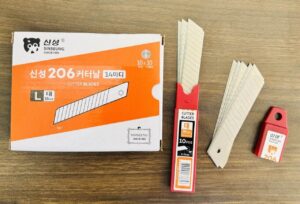
Break-away edges offer easy use. Users can renew the cut side fast without extra gear. But the break step calls for care. This avoids harm from sharp metal bits flying around.
Step-by-Step Snapping Guide
- Extend the Blade: Move the slide to show just one part of the edge. Avoid trying to snap several parts together. That leads to a rough split or the edge cracking apart.
- Use the End Cap: Fine utility knives come with a pull-off back piece. It has a cut slot for this. Take off the cap. Then slip it onto the shown edge part.
- The Snap Motion: Grip the knife steadily on a level spot. Or aim it clear of your body. Give a fast, strong push down with the cap. The part breaks even along the marked line.
- Safe Disposal: Right away, drop the old part into a safe, sharp items box. Or wrap it in thick tape. This keeps others from getting cut when throwing it out.
Crucial Safety Precautions
- Wear Protective Gear: Put on eye shields and slash-proof hand covers every time.
- Directional Safety: Make sure the edge points away from you and nearby people while breaking.
- Check the Scored Line: Confirm the edge shows exactly at the mark. This guarantees a straight break.
How to Change Blade in a Box Cutter
Over time, the full edge holder runs out. Then you must do a complete swap. Many styles exist. Yet the steps stay much the same in pro-level devices.
Replacing Snap-Off Blades
For folks asking how to change blade s4 box cutter or like S-series units, here’s the usual way:
- Remove the Tail Cap: Slide the lock back piece from the knife’s end.
- Withdraw the Slider: Pull the plastic mover (the blade shifter) fully back. Do this until it leaves the metal path.
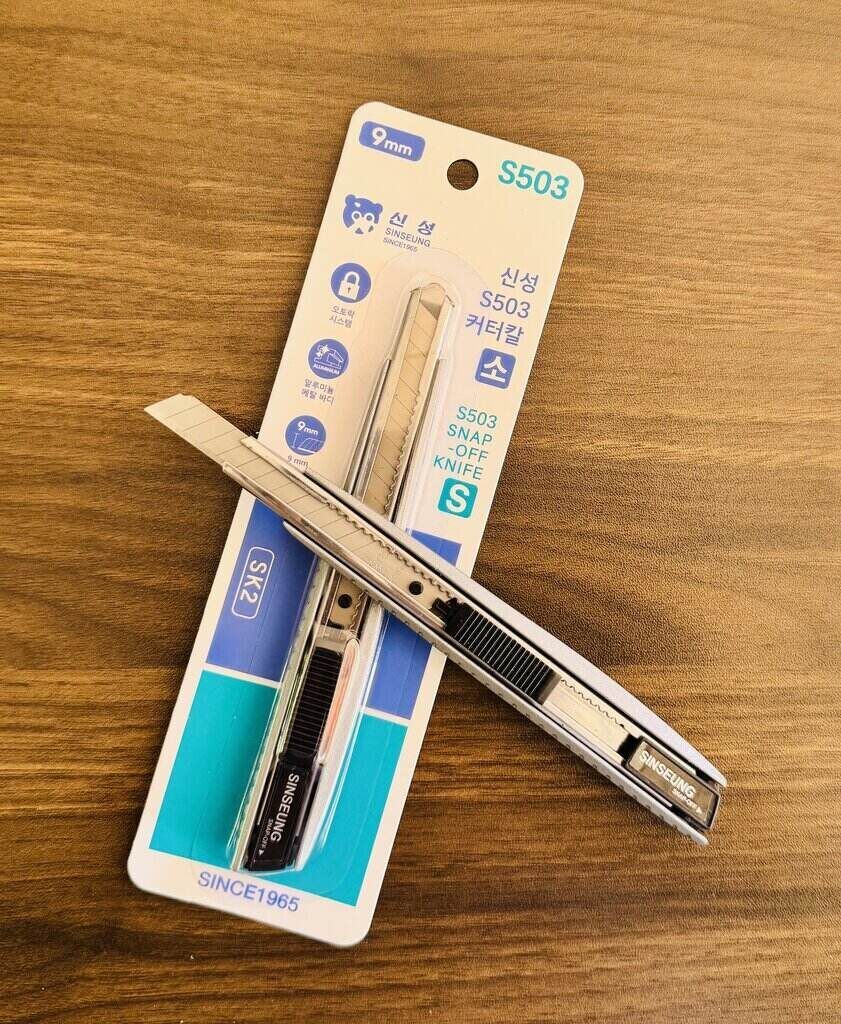
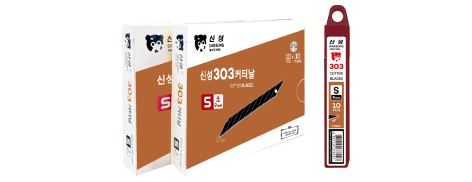
- Swap the Blade: Gently take out the worn edge from the mover’s pin and catch. Then hook a fresh 9mm, 18mm, or 25mm edge in place. Sinseung has led in making these swap edges since 1965. They offer fits for the most common worldwide cases.
- Reassemble: Push the holder back into the path. Put the back cap on again. Check that the lock snaps shut. This stops the edge from moving loose in action.
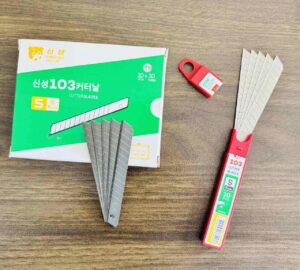
Types of Box Cutters and Their Blade Compatibility
Knowing the types of box cutters aids in pairing the best device to your setting. Sinseung uses top German gear. Their own experts tweak it. This makes a range of custom cutters.
- Fixed Blade Cutters: Fit for rough spots where edge steadiness matters most.
- Retractable Utility Knives: The go-to for protection. They hide the edge when idle.
- Snap-Off Cutters: Favored for jobs needing fresh sharpness always. Think wallpaper setup or car covering.
The Importance of Proper Blade Maintenance
A utility knife works well only with good upkeep. Caring for your edges cuts costs. It also keeps steady results. Sinseung stresses that their quality drive comes from fine stuff and strict tests.
- Keep it Dry: Wetness harms carbon steel. Wipe the edge if it touches fluids.
- Clean Off Adhesive: Cutting sticky tapes or sheets leaves gunk. It makes the edge stick. A bit of rubbing alcohol or cleaner keeps it clear.
- Proper Storage: Keep extra edges in their start plastic holders. Or use a dry tool box. This stops the points from bumping other metal items.
Conclusion
Keeping a keen, secure utility knife counts as a basic ability for workers. Grasping the different types of utility blades helps a lot. Knowing exactly when should the blade of a utility knife be replaced matters too. Mastering safe break methods ensures smooth work and protection in routine jobs. Choosing fine items from focused makers like Sinseung brings calm. Your gear will handle the hardest setups well.
Frequently Asked Questions
Q: Can I use 18mm blades in a 9mm utility knife?
A: No. Each box cutter fits a set edge width. Trying to jam a bigger one into a tight path breaks the device. It also brings high safety dangers.
Q: Why does my snap-off blade keep breaking unevenly?
A: This comes from showing too much or too little edge before the break. Make sure just one part sticks out. Line the mark with the knife’s metal edge.
Q: Is there a difference between “heavy-duty” and “standard” blades?
A: Yes. Heavy-duty ones, like the 25mm XL401 model, have thicker builds. They use stronger steel for stuff like rubber or dense floors without warping.
Q: How do I dispose of used blades if I don’t have a sharps container?
A: Take an empty plastic cleaner bottle or a steel coffee can. When full, tape the top shut. Mark it “SHARPS” for safe toss-out.
Q: How can I tell if a blade is high-quality before buying?
A: Check for high HRC scores, near 58. Pick makers with deep roots in metal work. Good edges get special heating to hold sharpness better than plain kinds.
-
 How to Maintain and Extend the Life of Your Box CutterLearn how to maintain your box cutter for peak performance. This guide covers blade cleaning tips and why investing in high-quality tools saves money.2026/02/26
 -
 Top-Rated Box Cutters for Home Organization: The Ultimate GuideDiscover the best box cutters for home organization. This guide covers top-rated brands, precision cutting tips, and essential safety features for your DIY projects.2026/02/12
 -