
Which Blades Can Snap? A Practical Comparison
2026-10-30
A blade that can be snapped is not just a shorter razor blade. Its break points, holder, and replacement method function together as a single system. Mixing up these structures can lead to bad cuts. It can also cause product returns and unnecessary handling risks.
For catalog planning, these represent distinct utility knife blade types. Therefore, a comparison of snap blades and precision knives must be kept separate from standard razor blades. Proper wording allows distributors to explain a key point. A segmented refill cannot replace every fine cutting tool.
The word “blade” hides three different designs
The word “blade” fails to show buyers how a product actually works. For example, a snap-off blade features scored segments. In contrast, users normally replace a razor-style blade as one whole piece. Precision blades feature shapes for careful, detailed tasks. However, they do not automatically fit into a snap-off handle.
You must ask if the knife, the refill, and the cutting job function as a single system. A blade might look similar. Yet, it could possess the wrong width or thickness. It might also have an incorrect mounting pattern or break-point shape. This explains why product structure holds more importance than sharpness or price.
What the three structures are meant to do
Snap-off blades
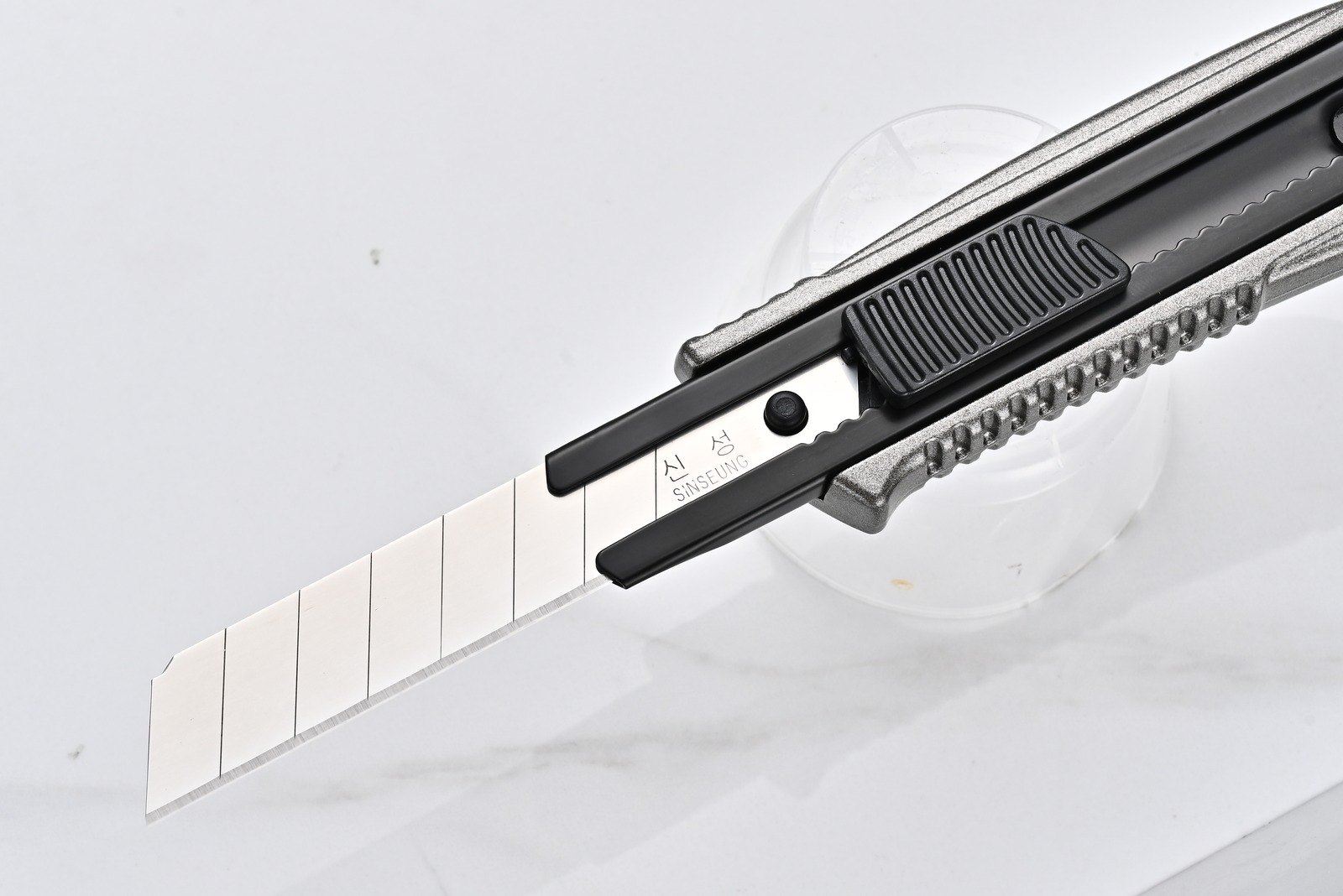
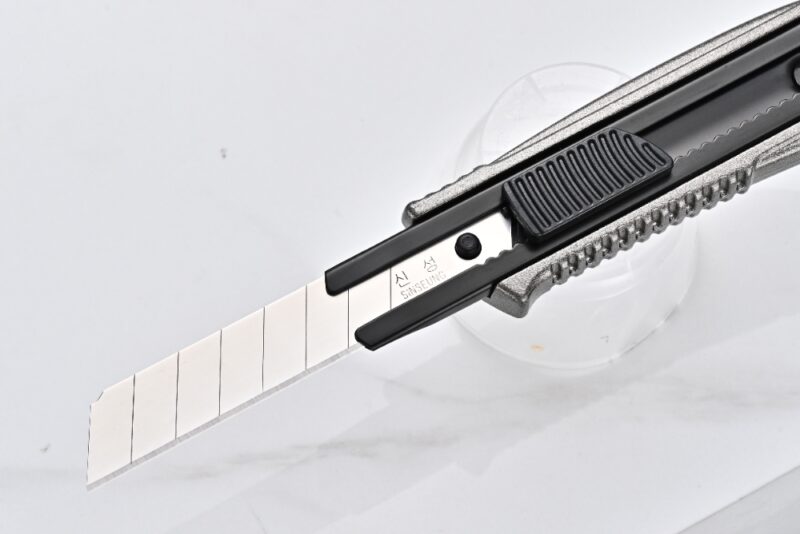
Snap-off blades feature separate segments. This allows the user to reveal a new edge by snapping off the dull section. This design works perfectly for repeated cutting tasks. It provides a sharp edge without forcing the user to stop and swap the whole refill.
The scored line acts as a functional design element. It is not meant for cutting regular materials. Users must remove the segment using a compatible holder. They should also follow a safe method. This approach keeps hands, coworkers, and the broken piece safely away from the cutting area.
Razor-style blades
People generally treat razor-style blades as full replacement parts. Their shape might help with scraping or trimming. It might also fit a specific holder. However, bending or snapping this blade is unsafe. It simply lacks the built-in break points found on a snap-off refill.
Precision blades
Precision blades focus heavily on tip control, clear visibility, and careful handling. They work very well for detailed tasks. Still, you should never force a precision profile into a standard utility knife. The knife carrier and locking system were likely built for a different blade group.
|
Structure |
Fresh-edge method |
Best fit |
Main compatibility check |
|
Snap-off |
Remove a worn segment |
Repeated general cutting |
Width, thickness, segment geometry, holder |
|
Razor-style |
Replace the complete blade |
Scraping or fixed-edge work |
Holder shape and mounting pattern |
|
Precision |
Replace the complete blade |
Fine trimming and detail work |
Tip profile, carrier, and control |
Where break points help and where they do not
Break points prove helpful during tasks that cause fast edge wear. They also work well when the knife accepts a segmented refill. Distributors can easily highlight this benefit. The user gains a new working edge without swapping the entire blade. Meanwhile, the product stays compact for easy storage and restocking.
Break points offer no value when a job requires a solid edge, a scraper shape, or a specific precision tip. Furthermore, they fail to fix compatibility issues. A holder might fail to support the blade properly. In that case, the segment feature loses its purpose. It can even raise handling dangers.
For wholesalers, this practical difference remains straightforward. You should stock snap-off refills alongside matching snap-off cutters. Keep full replacement blades in a completely separate category. Blended terms like “universal razor blade” often cause unnecessary returns. This happens because the buyer expects a segmented refill.
How to match the refill to the job
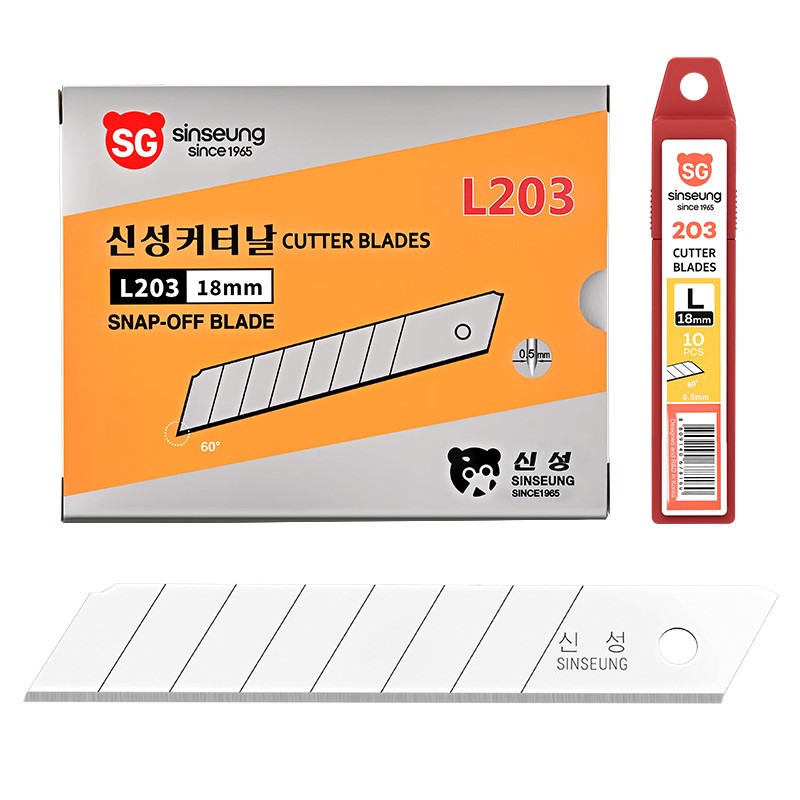
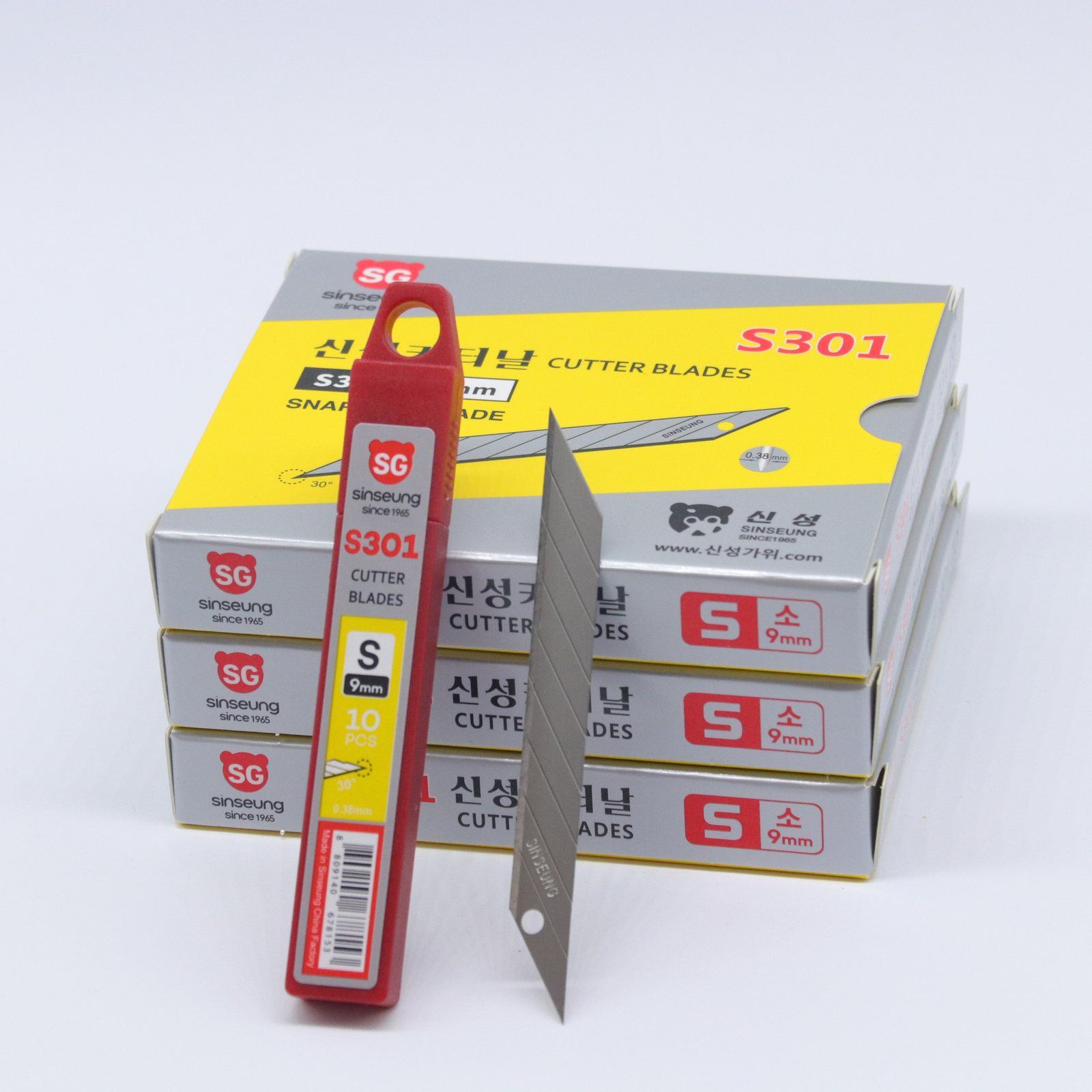
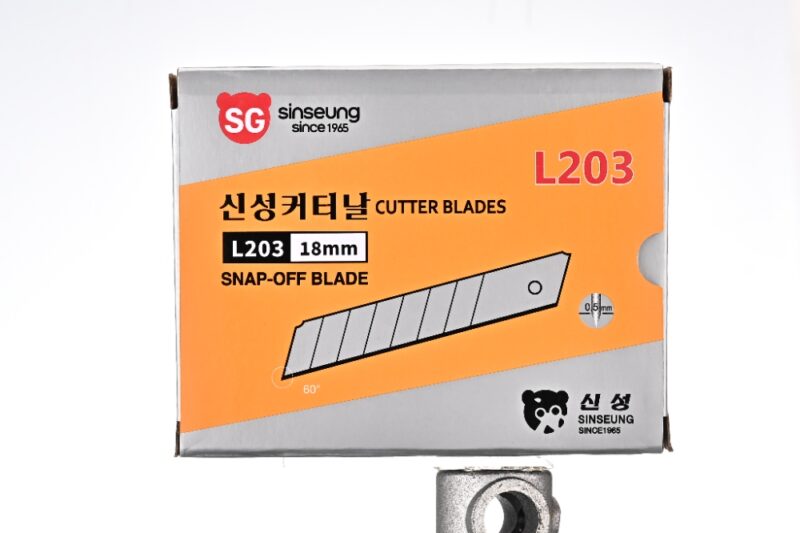
A solid choice begins with the tool currently in the user’s hand. First, verify the knife family, standard width, and locking style. You must also check the target material before suggesting a refill. For basic 9mm tasks, Sinseung’s S301 and S303 families offer clear snap-off options. The L203 family covers the 18mm category when a project demands a wider format.
The target material helps narrow down the final choice. Thin packaging, film, paper, and light sheets often require a smaller format. This provides better visual clarity. On the other hand, thicker boards and layered materials demand something different. Longer straight cuts also need a wider blade and a firmer holder. The right solution relies on the complete combination, rather than just the blade name.
A practical stock rule for wholesale teams
A simple product matrix prevents most structural errors. Always group the blade family, width, and compatible cutter together. You should also include the main application and replacement method within the sales and warehouse descriptions.
- List snap-off refills separately from complete razor-style replacements.
- State the compatible cutter family instead of using “universal” as a shortcut.
- Describe the segment-removal method as a safety step, not as an invitation to bend any blade.
- Use the same width and product naming across cartons, listings, and reorder records.
For a format-focused review, see 18mm snap-off blades for heavier materials. This link offers a helpful comparison point for this article.
Another helpful resource for inventory planning is black snap-off blades for clean visual work. It adds a valuable comparison point for our discussion.
Managing a product family becomes much easier when the refill details match the intended cutter. Check out snap-off blade refills for daily cutting. It supplies a related comparison point for this text.
The buying takeaway
The correct blade structure must match the holder. It should also align with the edge-renewal method and the target material. Snap-off blades fix issues with repeated use. Razor-style blades support full replacement systems. Meanwhile, precision blades deliver fine control. You must treat these items as distinct product families during wholesale stock planning.
Sinseung highlights this difference by offering dedicated snap-off blade families in 9mm and 18mm sizes. Buyers can easily compare different ranges. They should review the product pages to verify the correct refill path before submitting a mixed order.
Perhaps you want to build a clear refill catalog for distributors or professional users. If so, please review our matching blade families and contact Sinseung today.
FAQ
Can any utility blade be snapped?
No. You should only snap blades that feature controlled break points. Furthermore, a compatible holder and proper safety methods remain essential.
Are snap-off blades the same as razor blades?
No. Snap-off blades depend on scored segments to renew the edge. In contrast, users replace most razor-style blades as whole pieces.
Why do snap-off blades have lines?
These lines indicate built-in break points. They allow users to remove a dull segment and reveal a sharp, new edge.
Are 9mm and 18mm snap-off blades interchangeable?
You must never treat them as interchangeable items. The width, thickness, carrier, and cutter design must align perfectly.
What should a wholesaler list for each refill?
You should always list the blade family and standard width. Also, include the compatible cutter, target task, and safe replacement method.
-
 Can You Sharpen Box Cutter Blades? Limits and Trade-OffsExplore whether box cutter blades can be sharpened, what edge design changes, and why approved methods and verifiable results matter in professional use.2026/11/19
-
How to Cut Carpet Cleanly With Straight Utility BladesA practical guide for flooring teams and trade suppliers on clean carpet trimming, cut control, backing support, and blade replacement.2026/11/12
-
How to Check Snap-Off Blade Consistency in BulkA buyer-focused method for checking product identity, visible condition, fit information, and batch records when purchasing snap-off blades in quantity.2026/11/12