
How to Dispose of Used Snap-Off Blade Segments
2026-10-22A used snap-off segment is quite small. However, it stays very sharp after it leaves the cutter. A strict workplace routine must secure this piece right where workers remove it. The process must then keep the metal isolated until the official waste system takes over.
A safe utility knife blade disposal process needs to be clearly visible at the workstation. This exact rule applies to box cutter blade disposal. Workers must contain the sharp piece right away. They also need to keep it far away from general trash. Good snap off blade replacement practice connects the fresh edge directly to a safe collection step.
The discarded segment is still a sharp object
A used snap-off segment becomes a workplace hazard the moment it leaves the cutter. Its small size makes it easy to miss in packaging waste, on a workbench, or inside a glove, yet the edge can still puncture skin and damage waste-handling equipment.
The safest disposal process therefore treats every removed segment as a controlled sharp item. The goal is not merely to throw it away quickly. The goal is to prevent contact from the point of removal through collection, storage, and final handover.
What a basic workplace process should control
Point of removal
The specific break-off area needs a dedicated collection box nearby. This box must sit within very easy reach. Sometimes, workers have to walk across a large room holding a loose segment. When this happens, the current workflow creates an unnecessary safety risk. The collection box needs to stay stable and clearly marked. It must also be quite hard to open by accident.
Movement and storage
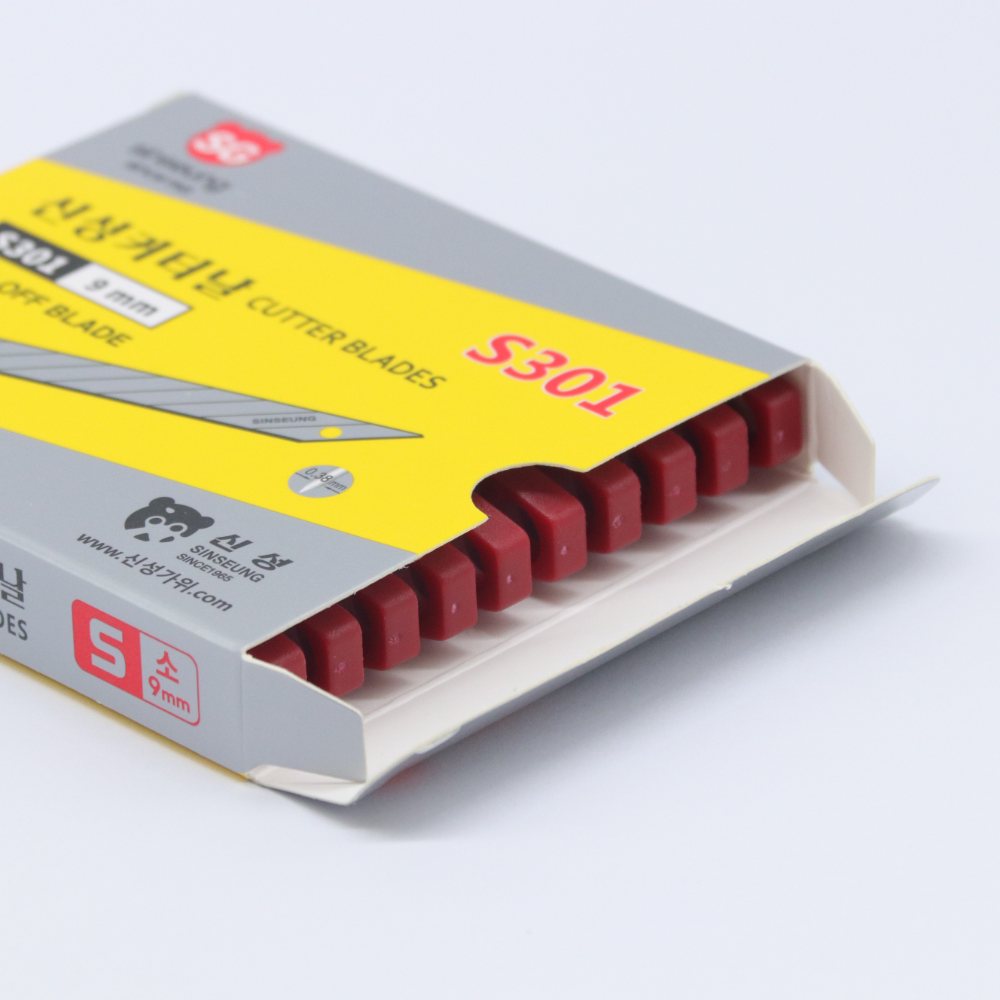
The segment must move straight from the cutter to the container. It should never pass through a worker’s pocket or rest in an open hand. It also must not go into a cardboard box or an ordinary waste bag. A tightly closed container keeps this hazard totally isolated. This protects cleaners and warehouse staff. It also protects anyone else who handles the trash later.
Final handover
The final disposal route depends on the specific workplace. It also relies on local rules and the waste contractor’s instructions. Supervisors need to define exactly who seals the container. They must decide where to store it and how to hand it over. A solid internal procedure tells workers exactly what to do. It never asks them to interpret complex waste regulations during the disposal moment.
|
Process stage |
Control |
Why it matters |
|---|---|---|
|
Remove |
Keep hands behind the edge and use the designed break-off method |
Prevents contact during replacement |
|
Collect |
Place segments directly into a rigid, closed container |
Stops loose sharps entering ordinary waste |
|
Identify |
Mark the container and keep it in a defined location |
Protects later handlers |
|
Seal |
Close before moving or handing over |
Prevents escape during transport |
|
Review |
Check near misses and container condition |
Improves the process over time |
How blade replacement and disposal should connect
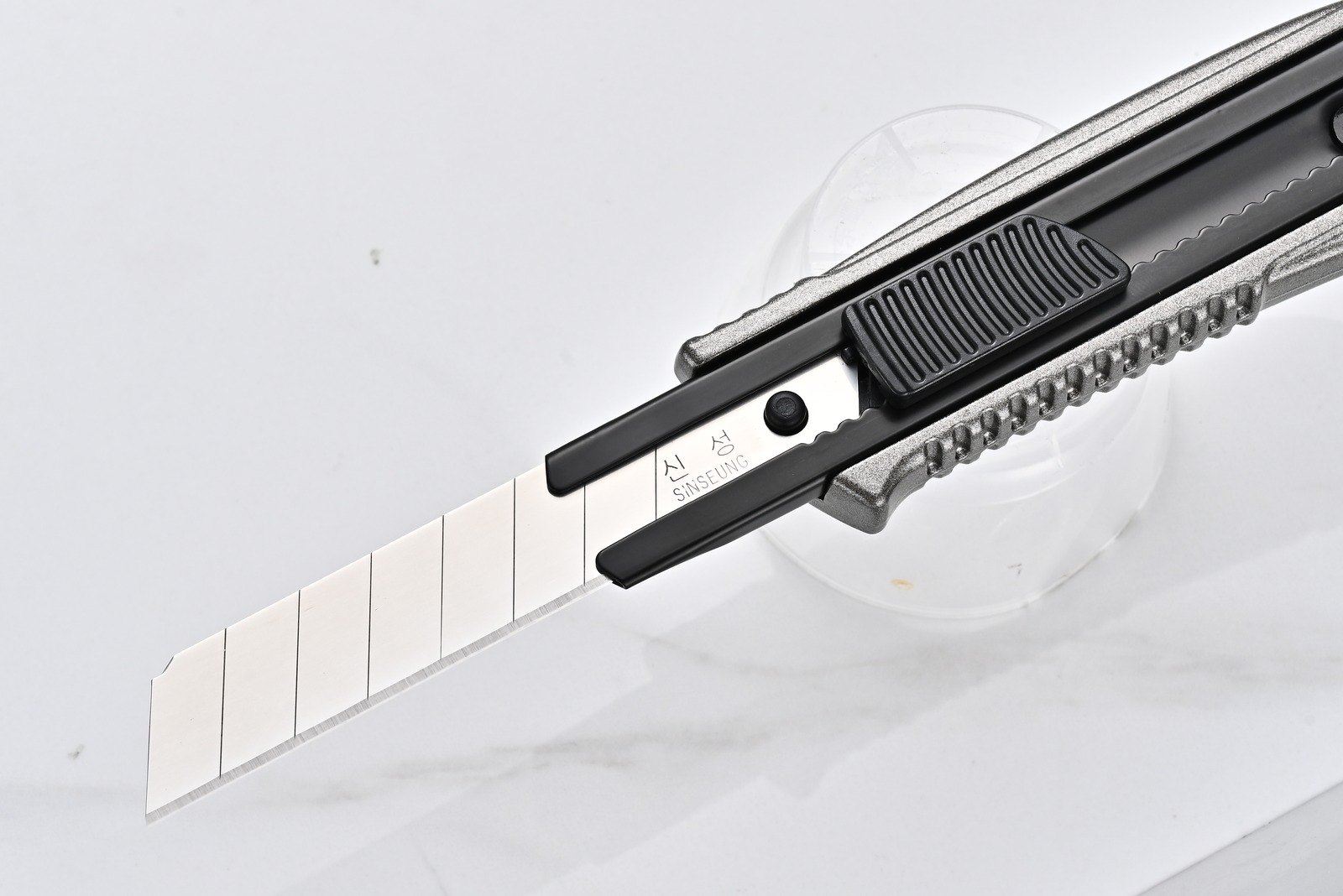
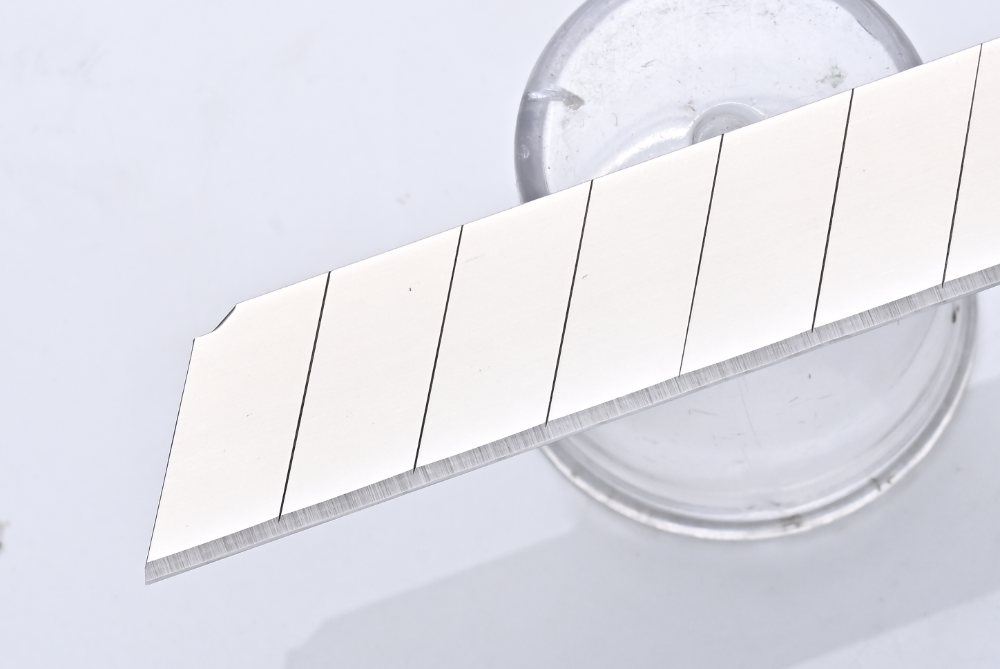
Replacement and disposal must act as one single workflow. They should never exist as two totally different instructions. A worker might remove a dull section from a 9mm snap-off refill. When this happens, the fresh edge must appear only after they secure the old segment. Following this specific order lowers a major safety risk. It prevents anyone from leaving a sharp piece on a table while their focus shifts to the next cutting task.
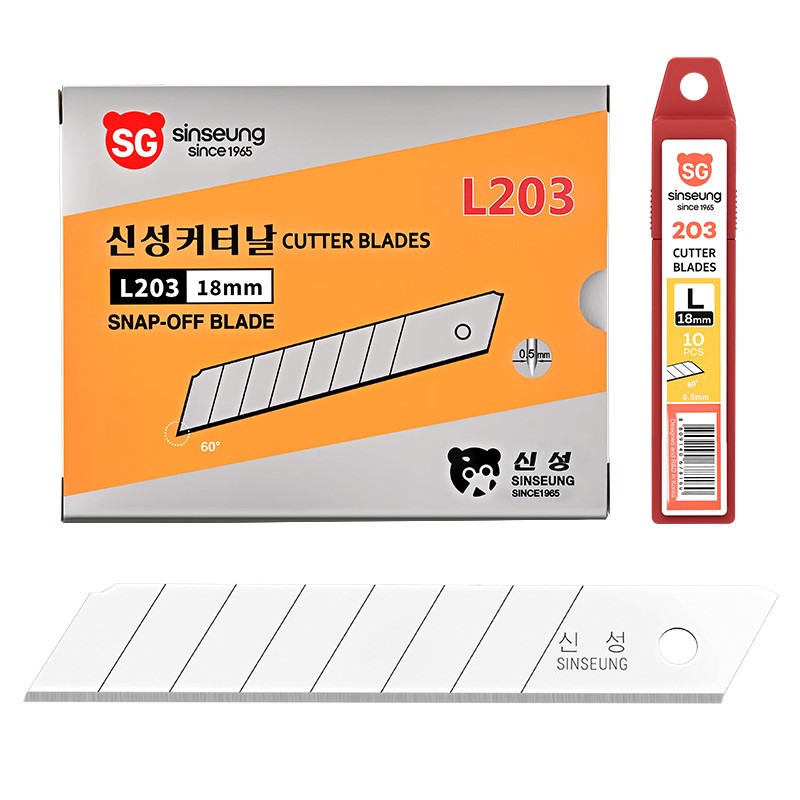
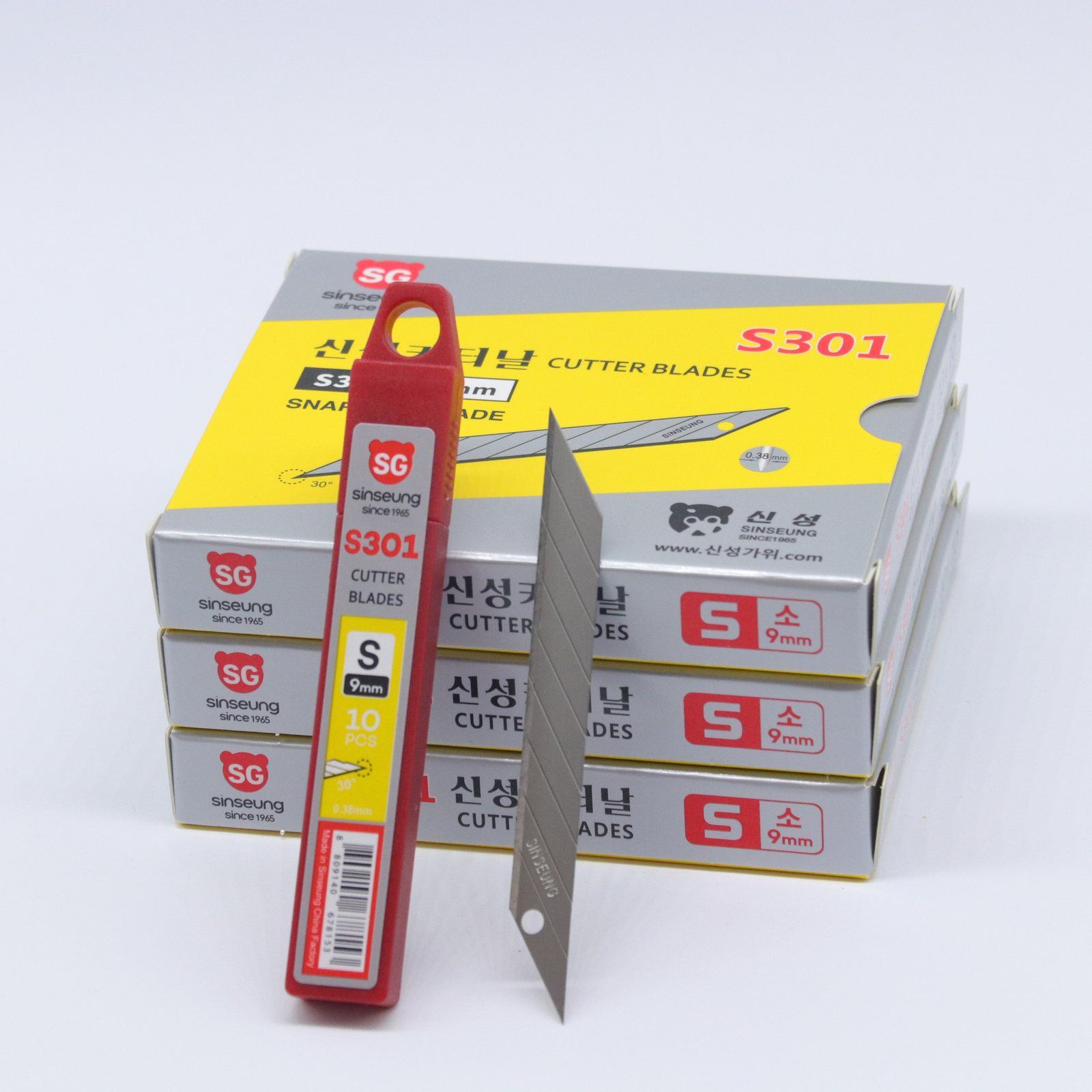
The way a company describes a refill greatly impacts staff training. A product like the S301 or S303 needs to be introduced as a complete segmented system. It must feature a very specific replacement method. Trainers should never present it as just a random bundle of sharp metal pieces. Simple and clear product language provides a huge benefit. It helps distributors communicate a strong safety message directly to the final users.
Common disposal mistakes to remove from the process
Dropping used segments into open cardboard cartons or plastic bags.
Carrying a loose segment to a distant bin by hand.
Mixing sharp segments with ordinary packaging waste.
Using a container that can be reopened without tools or that is already damaged.
Leaving the collection container unlabeled or outside the responsible team’s normal inspection route.
These errors are system failures. They do not mean the workers are careless. A superior setup puts the container right at the task area. It makes the right action very simple. It also gives managers an easy way to check the container’s shape and spot.
How distributors can support safer use
Distributors can reduce downstream risk by pairing refill sales with a short handling message. The useful information is practical: use the compatible cutter, remove only the intended segment, keep the edge controlled, and place the discarded piece directly into a closed sharps container.
Sinseung’s 9mm snap-off blade and S506 cutter pages provide a clear product pairing for this kind of replacement workflow. The commercial value is consistency: the customer receives a defined refill path instead of a generic blade description that leaves safety details unstated.
For a format-specific comparison, see snap off blade replacement with a 9mm cutter provides a relevant comparison point for this article.
A second useful reference for range planning is box cutter blade disposal for workstations provides a relevant comparison point for this article.
The product family is easiest to control when the refill description is tied to the intended cutter: utility knife blade disposal with a 9mm refill provides a relevant comparison point for this article.
The safe-disposal takeaway
Facilities must manage used snap-off segments as dangerous sharp items from the exact moment of removal. A proper safety chain requires a few key steps. It needs a point-of-use collection box and a direct transfer method. Clear labels, a tight closure, and a strict handover process complete this basic system. The actual final disposal route must always follow the specific local regulations of the workplace. It should also obey the approved waste management process.
Companies should explain the product, the specific cutter, and the collection method all at once. When they do this, the replacement task turns into a highly repeatable daily habit. It stops being a random, unsafe action improvised at the work bench.
If your business is currently standardizing replacement rules across multiple customer sites, please contact us.
FAQ
Can used snap-off segments go into normal trash?
You should never place loose sharp segments into ordinary waste. Instead, use the workplace’s approved rigid container. Always follow your local waste instructions carefully.
Where should the collection container be placed?
Place it very close to the blade-change point. This allows workers to transfer the segment directly. They can do this without carrying it around loose.
Should the container be labeled?
Yes, it absolutely must be. Clear identification helps prevent accidental handling. It also tells later workers that the container holds dangerous sharp waste.
What if the segment falls on the floor?
Halt any nearby tasks immediately. Keep everyone far away from the spot. Then, use the site’s officially approved tool or method to pick it up safely. Do not ever use your bare hands for this task.
Does the blade supplier decide the final disposal route?
The supplier can share safe handling tips. However, the workplace and the chosen waste contractor must plan the final disposal route together. They must do this according to valid local rules and laws.
-
 Can You Sharpen Box Cutter Blades? Limits and Trade-OffsExplore whether box cutter blades can be sharpened, what edge design changes, and why approved methods and verifiable results matter in professional use.2026/11/19
-
How to Cut Carpet Cleanly With Straight Utility BladesA practical guide for flooring teams and trade suppliers on clean carpet trimming, cut control, backing support, and blade replacement.2026/11/12
-
How to Check Snap-Off Blade Consistency in BulkA buyer-focused method for checking product identity, visible condition, fit information, and batch records when purchasing snap-off blades in quantity.2026/11/12