
Best Snap-Off Knife Performance on Cardboard, Plastic, and Fabric: How to Choose the Right Blade
2025-12-18
Snap-off knives act as key tools in many areas. These useful cutters come with split blades. You can break off a blade on a box cutter when the tip gets worn. That step reveals a fresh, sharp edge. This quality stretches out the blade’s service time. It delivers reliable cutting outcomes. Also, it skips the trouble of changing the whole blade. From construction jobs to everyday office work, the snap-off knife’s low price, simple handling, and accuracy make it a popular pick for experts and hobbyists both.
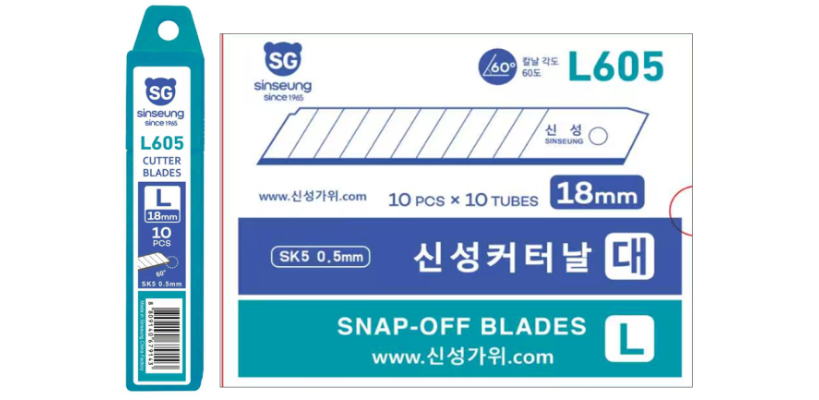
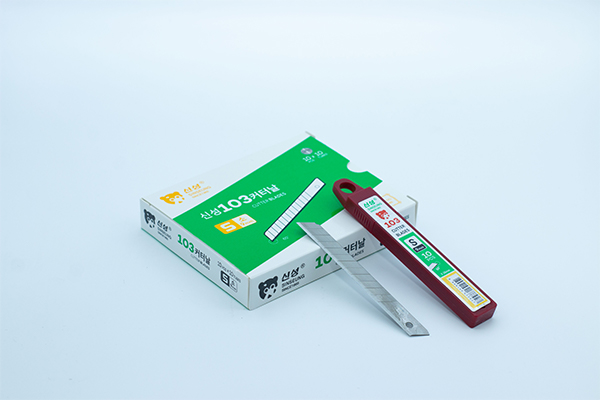
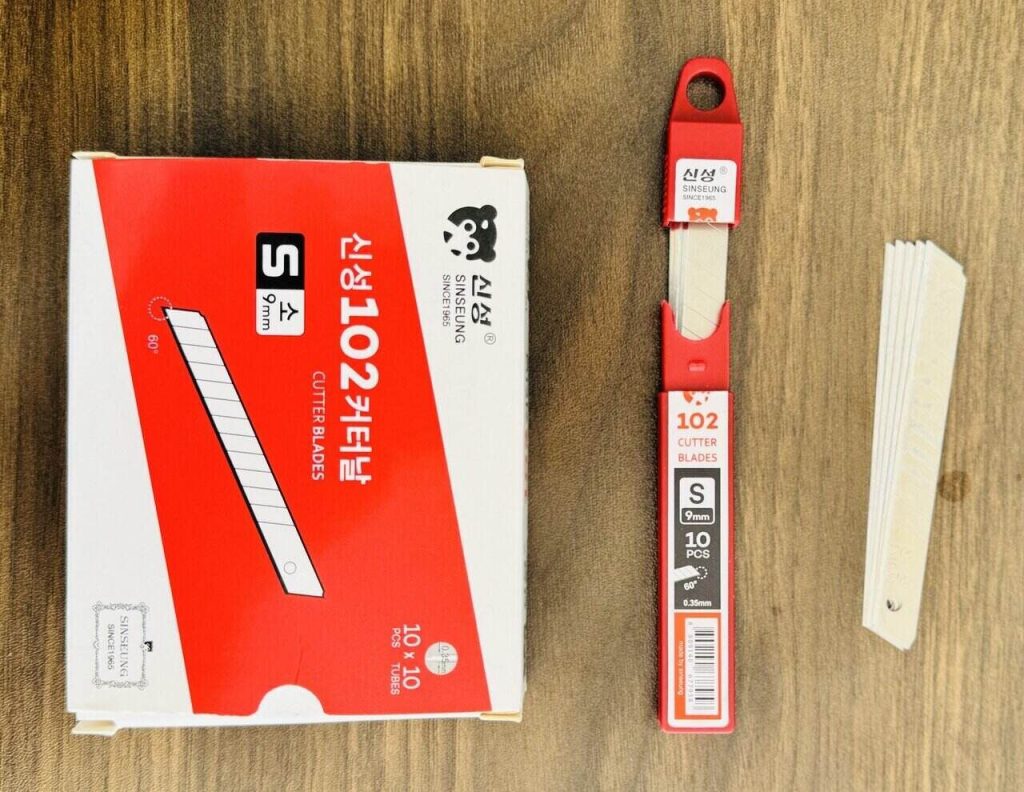
Two common blade sizes fit snap-off knives: the 9mm snap blades and the 25 mm snap blades. The 9mm blade stays slim and bendy. It works great for light tasks. At the same time, the 25 mm snap blade stands stronger. It gives extra power for hard jobs. Every blade type has a breakable build. This lets you break off a blade on a box cutter to show a new, sharp edge. That feature proves very useful for keeping cuts neat. It also holds up a steady performance.
Choosing Between 9mm and 25mm Snap Blades: Which One Is Right for Your Needs?
Picking between a 9mm and a 25mm snap blade looks at more than just size. You need to think about the stuff you want to cut. Plus, consider how much detail or push the job calls for.
9mm Snap Blades: These blades weigh little. They flex easily. And they cut sharply. So, they suit tiny, detailed work well. Jobs such as clipping paper, sticky tape, or slim plastic sheets match the 9mm blade nicely. If your task needs exact cuts, the 9mm blade stands out as the better choice. Yet, watch out. Using a dull box cutter will ruin the smooth results. It leads to annoyance and lost time.
25mm Snap Blades: These blades measure broader. They hold up against flexing. That gives the toughness required for rougher work. Think of slicing heavy cardboard, thick plastic sheets, or PVC. Their solid build turns them into a main option for workers in building, packing, or factory settings. There, an extra push comes in handy.
Snap-Off Knife Performance on Cardboard: How Blade Size Affects Efficiency
As you cut cardboard, mainly the heavy or wavy kinds, the blade’s span and stiffness matter a lot. 25mm snap blades do better than slimmer ones on stacked cardboard. Their extra firmness cuts down on passes. It also makes the cutting flow smoother, even with a strong force. That speed matters a ton for folks dealing with big piles of cardboard.
By contrast, 9mm snap blades fit basic cardboard work. For instance, they handle edge marking or slicing thin sheets. Still, they need several passes for thicker stuff. Over long stretches, that gets tiring. But swapping blades often and snapping off worn parts can ease the effort.
Durability and Edge Retention When Cutting Corrugated Cardboard
Cardboard’s wavy makeup dulls blades fast. This happens most with thick sheets. The chance to snap a box cutter blade and get a clean, sharp edge helps stretch blade use. It keeps cuts quick and neat, even after lots of work. Snapping off worn bits on a regular basis boosts output. It also aids in holding neat, exact cuts, even on heavier cardboard.
Cutting Plastic with Snap-Off Knives: Selecting the Right Blade for Different Plastics
Choosing a blade for plastic cutting ties to the plastic kind. Plastics change in hardness and bendiness. Those differences shape how your snap-off knife works.
- Hard Plastics (Acrylic, PVC): When slicing firm plastics, like acrylic sheets or PVC, 25mm snap blades serve as the top pick. These blades bring the needed power and steadiness to handle hard stuff. They do it without twisting or snapping.
- Soft Plastics (Polyethylene, Wrap Films): Gentle plastics such as polyethylene or wrap films cut fine with either 9mm or 25mm snap blades. It depends on how thick the material is. The 9mm blade gives more control on slim sheets. Meanwhile, the 25mm blade suits bulkier plastics better.
Fabric Cutting Capabilities of Snap-Off Knives: Precision and Control
Cutting cloth demands care to stop fraying or wrong slices. For soft cloths like cotton, silk, or polyester, the 9mm snap blades work best. Their narrow shape and sharpness help. They deliver straight, exact slices for jobs like fixing clothes or making crafts.
When facing heavier cloths like canvas or denim, 25mm snap blades fit the bill. Their power offers a firm hold and guidance to slice dense stuff. They avoid tugging or catching the cloth.
Selecting the Best Snap-Off Knife Based on Material Use
Workers who shift between tasks often gain from a flexible snap-off knife. Lots of these knives take both 9mm and 25mm blades. That way, you can switch blades fast to match the material. Such adaptability keeps power and detail ready for any job.
Key Features That Enhance Snap-Off Knife Performance Across Materials
To get the most from your snap-off knife, look at these main traits:
- Locking Mechanism: A solid lock stops the blade from moving or shaking in action. This counts extra when slicing hard stuff like plastic or thick cloth.
- Ergonomic Handle: A handle shaped for comfort cuts down on hand strain during long sessions. It also gives a firm hold. That leads to better cut accuracy.
- Blade Material: Blades from high-carbon steel keep their edge longer. They hold up well, too. So, you swap them less often.
Maintenance Tips to Maximize Blade Longevity and Safety
To keep your snap-off knife in great shape:
- Snap off segments regularly: If you feel pushback in cuts or the edge dulls, snap off a part. That keeps your slices smooth and spot-on.
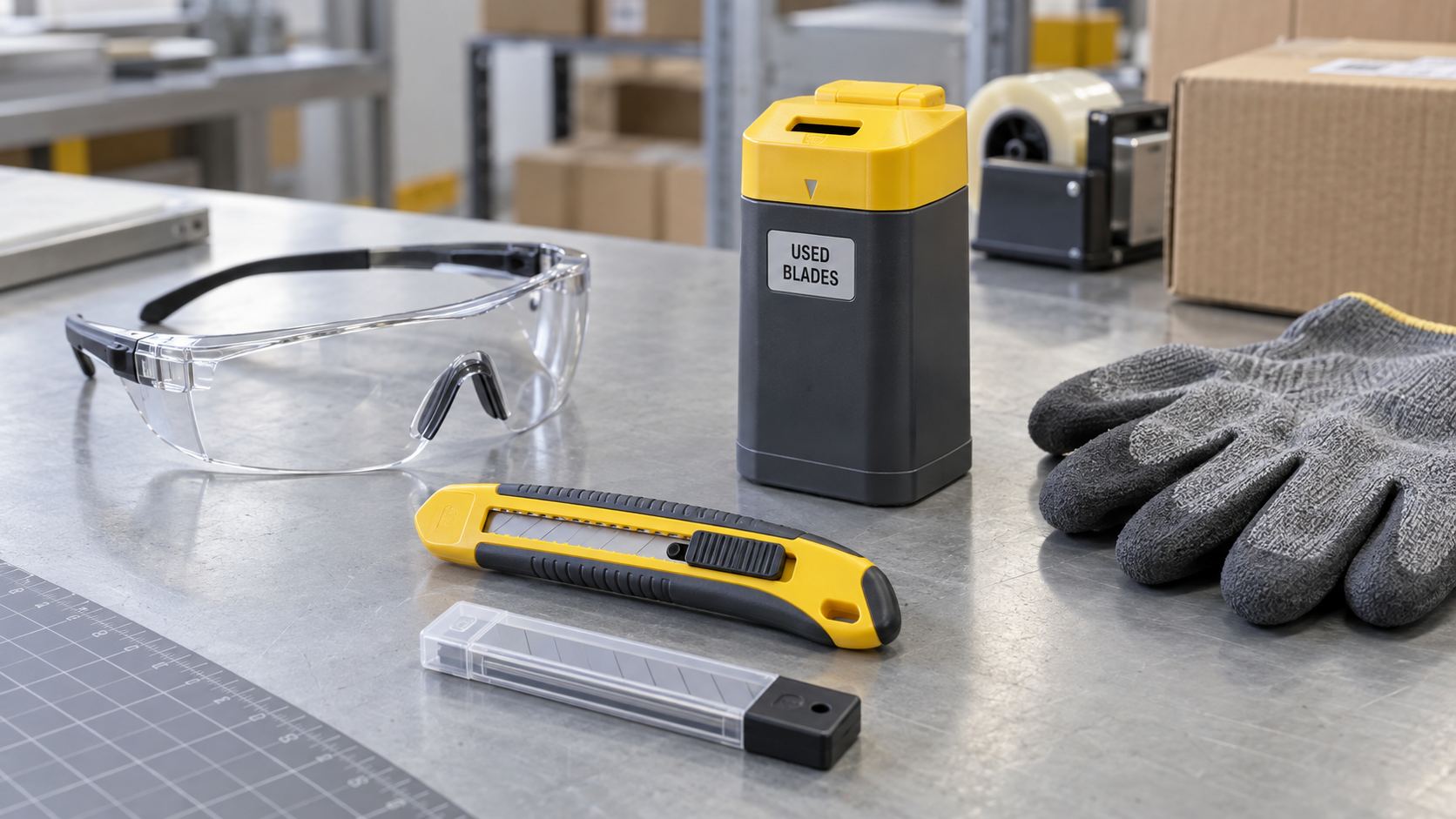
- Proper storage and handling: Pull the blade in after each use. This blocks surprise cuts and cuts down on extra wear. Keep the knife in a dry spot with steady temps to fight rust. Wipe it clean to run at full strength.
Conclusion
Picking the proper snap-off knife and blade size matters for top output and detail on all sorts of materials. No matter if you cut cardboard, plastic, or cloth, knowing how 9mm and 25mm blades differ helps you pick the right tool for your work. Sinseung supplies fine-quality, trusty blades. They bring long-lasting action, sharpness, and even results over many cutting jobs.
FAQ Section
What is the best snap-off knife for cutting thick cardboard?
For thick cardboard cuts, 25mm snap blades stand as the top option. Their firmness and power make for faster, neater slices on tough cardboard.
Can I use a 9mm snap blade for cutting plastic sheets?
Yes, 9mm snap blades handle soft plastics well, such as polyethylene or slim sheets. But for stiffer ones like PVC or acrylic, 25mm snap blades give stronger lasting power and cut force.
How often should I snap off segments of the blade?
Snap off parts when the blade dulls. That step aids in smooth, exact cuts.
Can Sinseung provide custom blade solutions for my business needs?
Yes, Sinseung gives custom blade options fit to your business’s needs. Be it special sizes or marked versions, Sinseung meets what you need.
What blade size is best for fabric cutting?
For soft cloths like cotton or silk, 9mm snap blades get the nod for their keen edge and detail. On heavier ones like canvas or denim, 25mm snap blades supply the push and firmness required.
-
 SK2 vs SK5 Utility Blades for Different JobsCompare SK2 and SK5 utility blade grades by sharpness, toughness, edge life, and job fit for wholesale blade selection.2026/10/07
 -
Are Box Cutter Blades Universal?Explain box cutter blade compatibility by width, holder channel, lock design, refill format, and model matching for trade buyers.2026/10/01
-
How to Safely Snap Off a Utility Knife BladeLearn how to snap off a box cutter blade with controlled extension, safe break direction, secure containment, and practical S103 workstation checks.2026/09/24