
What Role Does Blade Lock Tolerance Play in Reliable Corrugated Box Trimming
2025-11-27
Introduction — Why Box-Cutting Stability Starts with Blade Precision
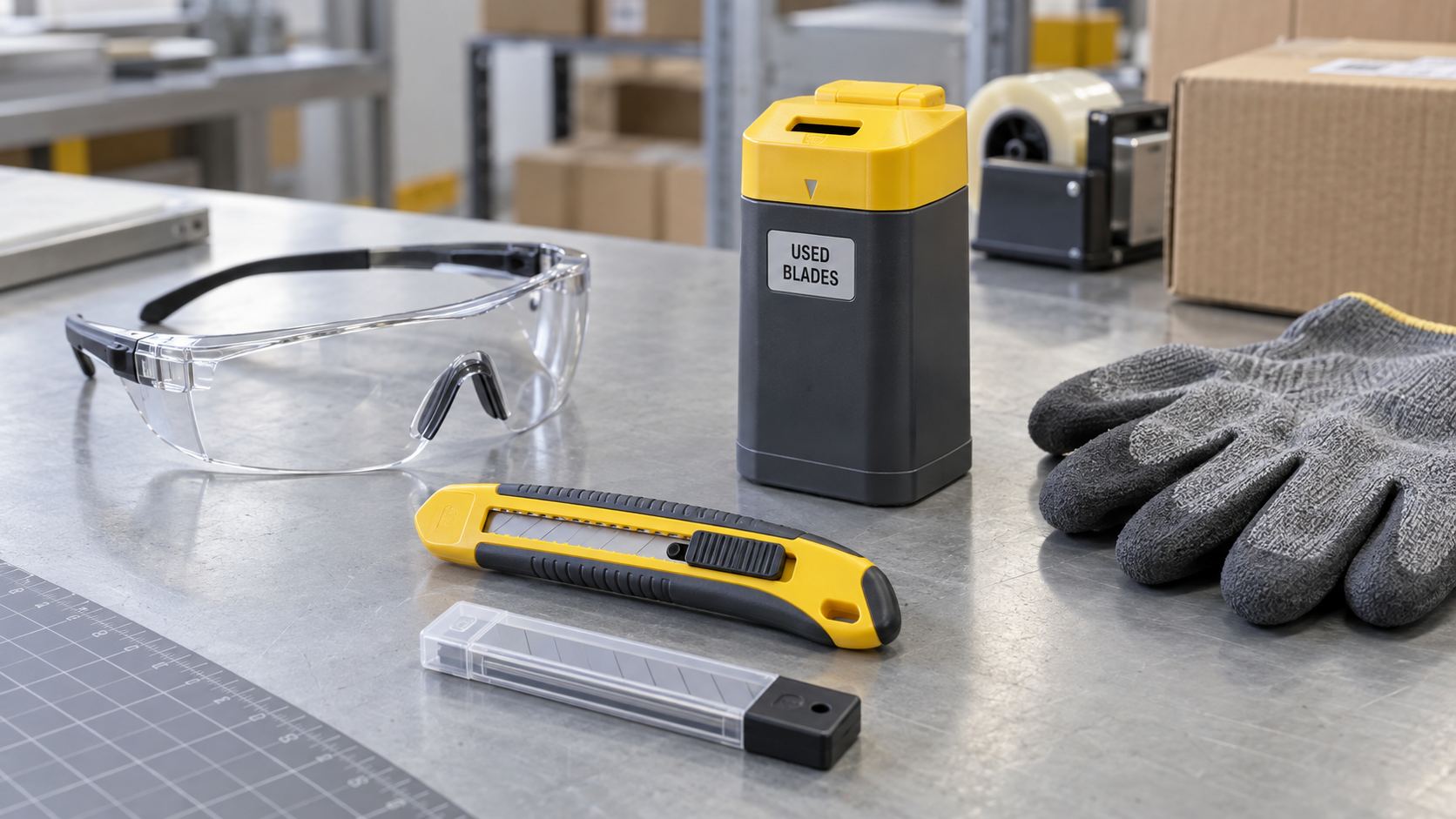
Every packaging engineer understands that slicing corrugated boxes isn’t straightforward. A neat, direct cut relies not just on blade sharpness. It also hinges on how firmly the blade is secured. Here’s where blade lock tolerance becomes essential.
If a utility knife’s locking system permits even minor play, you end up with ragged cuts. Operators feel more strain. Material gets wasted. These minor problems accumulate. Soon, they cause substantial losses in output.
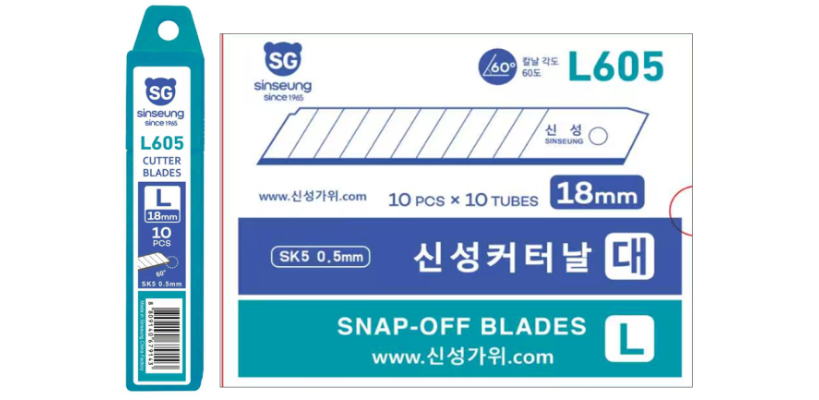
Over sixty years, Sinseung Tools has honed this delicate equilibrium. Renowned for accurately crafted cutter blades, utility knives, and hardware scissors, Sinseung combines cutting-edge German equipment with thorough hand checks. This delivers blades that remain steady and keen — time after time.
Understanding Blade Lock Tolerance in Box-Cutting Knives
What Does “Blade Lock Tolerance” Mean?
Blade lock tolerance means the tiny gap between the locking part and the blade itself. If it’s too slack, the blade shakes. If overly snug, it sticks while in use. In factory settings, holding this accuracy to ±0.1 mm can markedly boost cut uniformity and how long the tool lasts.
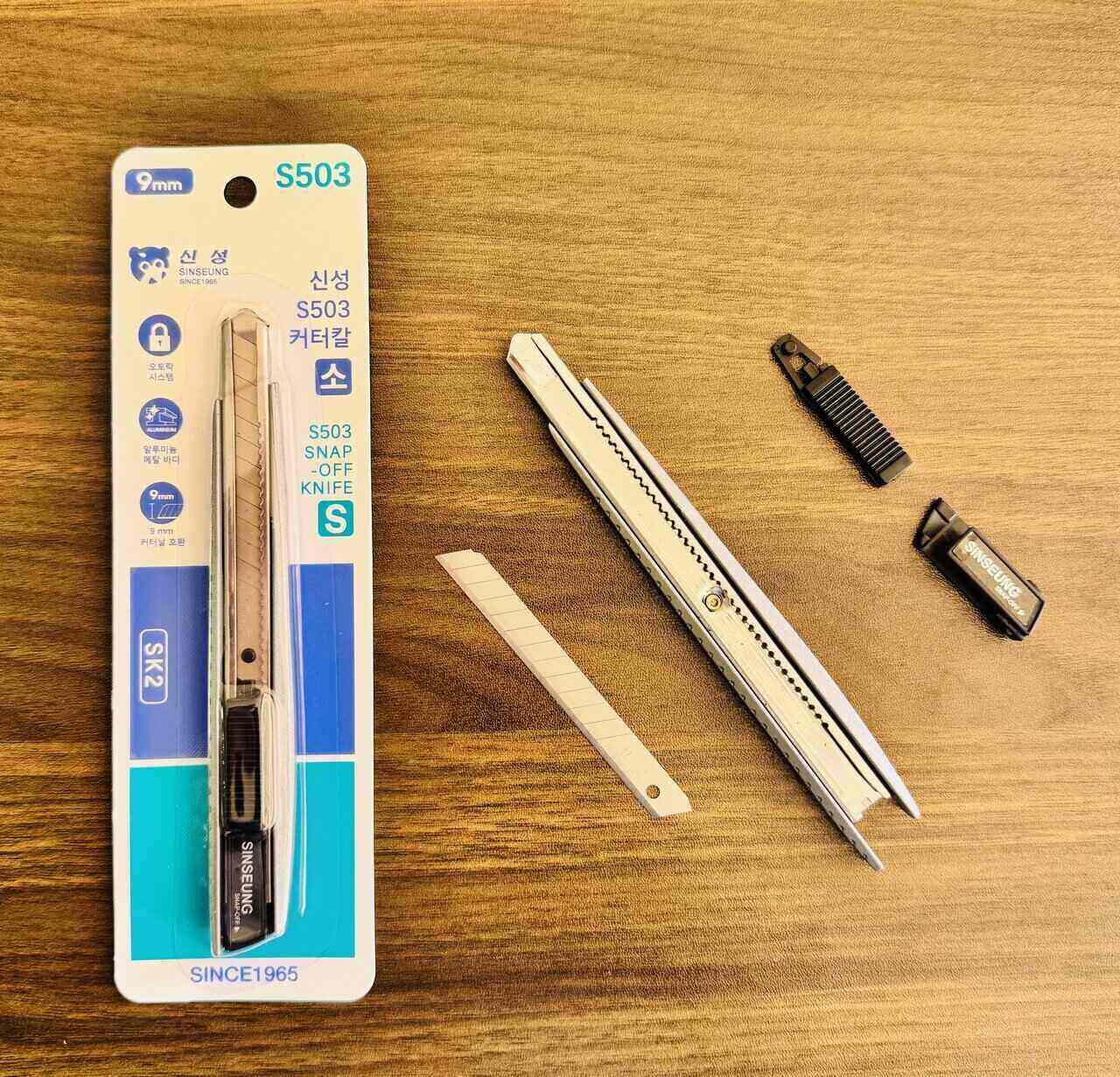
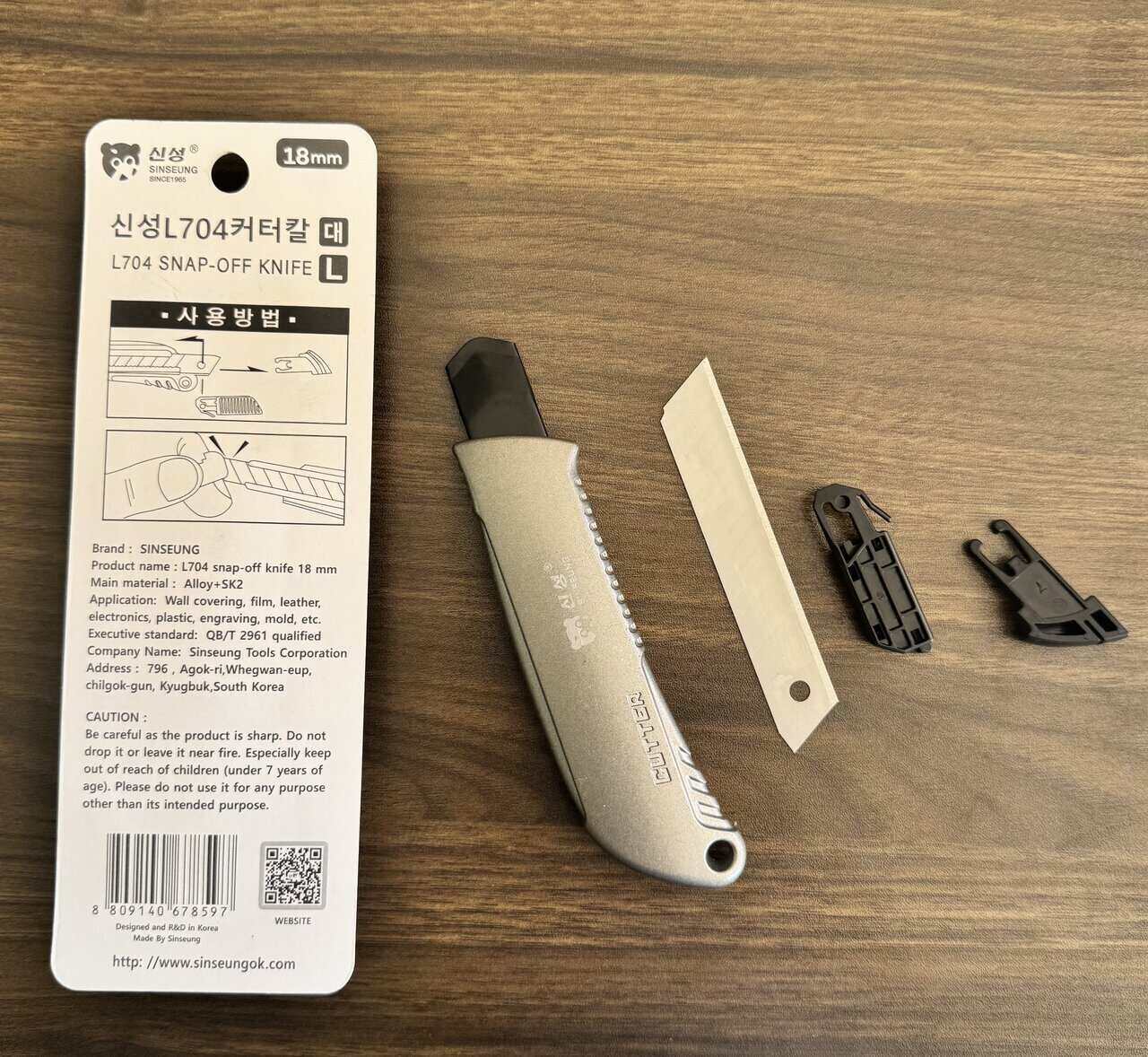
Sinseung’s high-end cutters, like the S503 9 mm Utility Knife and L704 18 mm Utility Knife, get tuned for ideal lock accuracy. They grip the blade tightly but permit easy snap-off. Perfect for steady work in packing areas and corrugated facilities.
How Sinseung Maintains Consistent Locking Precision
Each Sinseung knife comes from a rigorous mix of automated machining and manual quality control. Experts use exclusive heat-treatment and grinding technologies to keep hardness steady in the blade and lock parts.
In manufacturing, inspectors run load and pull tests. This confirms every locking rail handles factory demands without slackening. Should one blade reveal size variance, nearby lots get scrapped. All to preserve uniformity throughout production.
Why Blade Lock Tolerance Matters for Corrugated Box Trimming
Preventing Blade Wobble and Misalignment
During corrugated trimming, a mere 0.2 mm lock shift can destroy cut accuracy. Bad tolerance causes ripped fibers, rough edges, and boxes that fold wrong. Eventually, it grinds down machines. Downtime rises.
With proper lock tension, Sinseung’s cutters make each stroke even and tidy. Waste drops. Fatigue for operators eases. That precision mirrors what’s in industrial-grade packaging knife solutions. It boosts efficiency and cuts scrap directly.
Improving Worker Safety and Efficiency
Blade steadiness goes beyond performance — it’s a safety pledge. A failing lock in action risks bad injuries. Sinseung’s versions, including the L708 18 mm Utility Knife, feature reinforced locking plates and robust springs. They hold the blade secure amid ongoing force.
Workers on packing lines do thousands of cuts each day. This firmness brings easier control. Hand strain lessens. Accidents drop. It’s a solid gain for output and shop safety alike.
Extending Tool and Blade Life
Fine-tuned lock tolerance safeguards the user. It also shields the blade. Lower friction cuts down on tiny chips and edge damage. Paired with Sinseung’s smart material selection — top alloy steels plus superior surface treatments — blades endure far longer before swap-out.
Sectors like car wrapping or furniture film slicing count on Sinseung’s toughness. Precisely for that: steady performance across time.
How to Evaluate and Maintain Optimal Lock Tolerance
Measuring Tolerance in Snap-Off and Fixed-Blade Knives
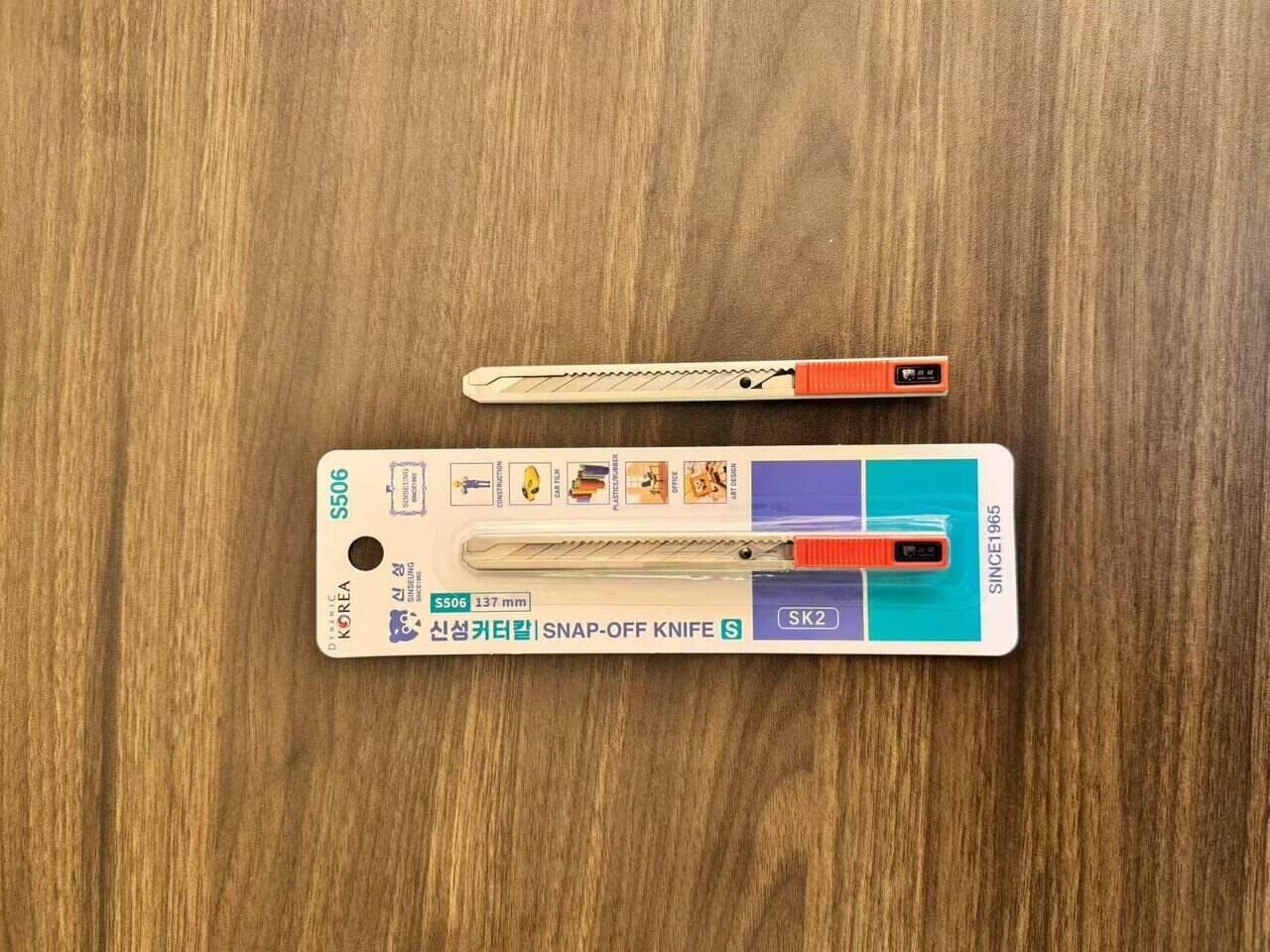
Testing lock tolerance needs no fancy gear. A simple torque or pull gauge checks if it matches plant specs. Take the S103 9 mm Snap-Off Blade. It must keep side-play within 0.15 mm for firmness.
Grasping industrial maintenance best practices ensures cutting tools stay secure, effective, and durable.
Maintenance Practices for Long-Term Stability
Locking setups work best when clean and oiled. Dust plus packing bits slowly enlarge the blade-rail space. Thus, routine blasts with compressed air matter.
Sinseung suggests checks on spring tension every three months, mainly in busy plants. Blades calibrated at the factory, such as the L203 18 mm Snap-Off Blade, hold lock accuracy longer. Companies keep steady results. No need for constant swaps.
When to Replace or Re-Calibrate
Often, you hear tolerance failing — a soft click prior to blade lock-in. Signs also show in crooked cut lines, growing resistance, or blade shift post many uses.
At that point, swap lock pieces or use approved OEM replacement blades from Sinseung. This brings the knife back to planned accuracy. Cheap parts? They just speed up damage and wobble.
Smart Manufacturing and Future Trends in Blade-Lock Engineering
Automation and Sensor-Based Grinding
Packaging automation advances. So do demands for flawless fit. Intelligent grinding setups now gauge and tweak tolerance instantly.
Sinseung built this automation into the German lines. Engineers spot even tiny hardness variations pre-assembly. Every XL401 25 mm Snap-Off Blade gets checked for a perfect fit with its lock case.
Material Innovation and Coating Technologies
Today’s coatings like PVD titanium or nano-ceramic layers, cut down surface drag. They extend the life of the blade and lock. Sinseung’s research crew keeps improving coating methods. To fit the needs of auto box-cutting machines globally.
Progress in precision engineering components demonstrates how clever material choices boost dependability in varied production settings.
Conclusion — Precision Tolerance, Predictable Results
Trustworthy corrugated-box trimming comes from skill, not chance — pure engineering rigor. A blade locking solid yet sliding easily guarantees clean box edges. Safe operations. Efficient lines.
With sixty years in heat treatment, grinding accuracy, and tight quality control, Sinseung Tools upholds top industry benchmarks. Pick S503, L704, or L203 series. You gain beyond sharpness. Assurance that each cut matches — from first day to third year.
In packaging, seconds and sheets are vital. Steady blade lock tolerance isn’t a mere spec. It’s the silent base for dependability and faith.
-
 SK2 vs SK5 Utility Blades for Different JobsCompare SK2 and SK5 utility blade grades by sharpness, toughness, edge life, and job fit for wholesale blade selection.2026/10/07
 -
Are Box Cutter Blades Universal?Explain box cutter blade compatibility by width, holder channel, lock design, refill format, and model matching for trade buyers.2026/10/01
-
How to Safely Snap Off a Utility Knife BladeLearn how to snap off a box cutter blade with controlled extension, safe break direction, secure containment, and practical S103 workstation checks.2026/09/24